Modern orthodontic technology has changed the way many people approach teeth straightening. Today, patients seeking a more comfortable and efficient treatment option often ask about Self-Ligating braces and how they compare with conventional systems. These braces use a specialized bracket design that holds the archwire in place without traditional rubber ties, helping reduce friction during tooth movement.
When discussing self-ligating braces vs traditional braces, many patients want to understand the real differences in comfort, treatment time, maintenance, and appearance. While both systems are designed to improve dental alignment and correct bite problems, self-ligating systems have become increasingly popular because of their modern design and potentially easier maintenance. In this guide, we will explain how self-ligating braces work, their benefits and potential drawbacks, and how they compare with other orthodontic treatment options, such as Invisalign and clear aligners.
What Are Self-Ligating Braces?
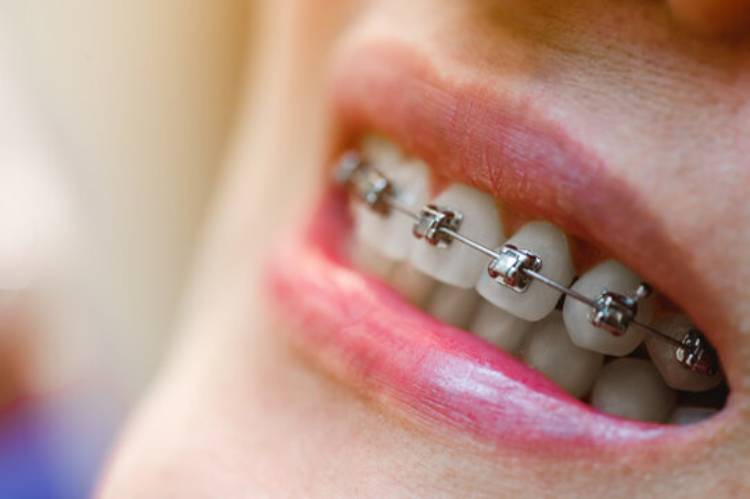
Self-ligating systems are considered one of the most advanced forms of modern orthodontics. Instead of using elastic bands to secure the wire, these braces use built-in clips or sliding doors attached directly to the brackets. This creates a more streamlined system that may reduce pressure and make adjustments more efficient.
Patients researching self-ligating braces vs traditional braces are often surprised to learn that the core treatment goal is the same: gradually guiding teeth into healthier positions. However, the mechanics behind the movement are slightly different.
How self-ligating brackets work
Traditional braces rely on small elastic bands to hold the archwire in place. In contrast, self-ligating brackets contain a small built-in clip that secures the wire without rubber ties. The archwire can move more freely inside the bracket slot, which may reduce resistance during treatment.
Many orthodontists use nickel-titanium wires because they apply gentle and continuous force to support controlled tooth movement over time.
Difference between self-ligating and traditional braces
One of the biggest distinctions in self-ligating braces vs traditional braces is the absence of elastic ligatures. Traditional systems often create more friction because the elastic bands tightly hold the wire against the brackets.
Self-ligating systems are often described as “low-friction braces” because the sliding mechanism allows the wire to move with less resistance. Some patients also notice that these braces look cleaner since there are no rubber bands that can stain over time.
See the cost and timeline of aligner options that straighten teeth without braces.
Active vs passive self-ligating systems
There are two main types of self-ligating systems: active and passive. Active self-ligating brackets apply additional pressure against the wire to help guide tooth movement more directly. Passive systems use a slide or door that simply holds the wire in place while allowing more freedom of movement. Both systems are commonly used in orthodontic treatment, and the right option depends on the patient’s alignment issues and treatment goals.
How Self-Ligating Braces Move Teeth
To understand how self-ligating braces work, it helps to look at how orthodontic appliances gradually reposition teeth. Braces create controlled pressure on the teeth and supporting bone structures, allowing them to shift slowly into better alignment.
The process is gradual and requires regular monitoring by an orthodontist to ensure healthy and stable movement.
The role of brackets and archwires
The brackets are bonded directly to the teeth and act as anchors for the archwire. As the wire attempts to return to its original shape, it applies gentle pressure that encourages the teeth to move.
Over time, this process improves dental alignment, corrects spacing issues, and addresses malocclusion or jaw alignment problems.
Sliding mechanism and reduced friction
The sliding mechanism used in self-ligating systems allows the wire to move more naturally within the bracket. This reduction in friction is one reason many patients researching self-ligating braces vs traditional braces are interested in this treatment option.
Lower friction may improve comfort during adjustments and, in some cases, support more efficient tooth positioning.
How tooth movement happens over time
Orthodontic tooth movement occurs gradually as the surrounding bone remodels around the shifting teeth. The process requires patience because moving teeth too quickly can damage the roots or supporting tissues.
Although some studies suggest that self-ligating systems may slightly improve treatment efficiency, overall treatment time still depends heavily on case complexity and patient compliance.
Benefits of Self-Ligating Braces
Many patients choose self-ligating systems for a more comfortable and convenient orthodontic experience. While results vary among individuals, these braces offer several potential advantages over conventional systems. Understanding the benefits can help patients make informed decisions during an orthodontic consultation.
Fewer orthodontic appointments
Because self-ligating systems do not rely on elastic bands that require regular replacement, some patients may need fewer adjustment appointments. This can be helpful for busy adults, students, and families managing multiple schedules.
Easier cleaning and oral hygiene
One advantage frequently discussed in self-ligating braces vs traditional braces is easier maintenance. Without elastic ties trapping as much debris, brushing and flossing may become slightly easier.
Good oral hygiene is essential during orthodontic treatment because plaque buildup around brackets can increase the risk of cavities and gum inflammation.
Potentially shorter treatment time
Some orthodontists believe that lower friction may support more efficient tooth movement. However, research findings are mixed, and treatment time depends on many factors, including age, bite complexity, and patient cooperation.
Improved comfort and reduced pressure
Many patients report less tightness after adjustments compared to conventional systems. The brackets apply a more gradual force, which may reduce discomfort during certain stages of treatment.
Better smile aesthetics with smaller brackets
Some self-ligating systems use smaller brackets that create a cleaner appearance. Ceramic self-ligating braces are especially popular among adults looking for more discreet orthodontic appliances.
Self-Ligating Braces vs Traditional Braces
Comparing self-ligating braces vs traditional braces helps patients understand which system may better suit their lifestyle and dental needs. Both systems can effectively straighten teeth, but the treatment experience may differ.
The right option often depends on appearance preferences, maintenance habits, and orthodontic complexity.
Appearance differences
Traditional braces often use visible elastic bands that may discolor over time. Self-ligating systems eliminate these ties, creating a more streamlined appearance.
Some patients prefer ceramic self-ligating brackets because they blend more naturally with the teeth.
Comfort and pressure comparison
The lower-friction design may reduce pressure during adjustments. While pain from braces varies among individuals, some patients report self-ligating systems as more comfortable during the early stages of treatment.
Treatment efficiency
When discussing self-ligating braces vs traditional braces, many people focus on treatment speed. While some orthodontists report efficient movement with self-ligating systems, studies show that results can vary significantly between patients.
Oral hygiene and maintenance
Rubber bands in traditional braces can trap food particles more easily, making cleaning slightly more challenging. Self-ligating systems may simplify daily brushing and flossing routines.
Cost differences
Self-ligating braces cost more at some clinics due to the specialized bracket system and advanced orthodontic technology involved.
Who Is a Good Candidate for Self-Ligating Braces?
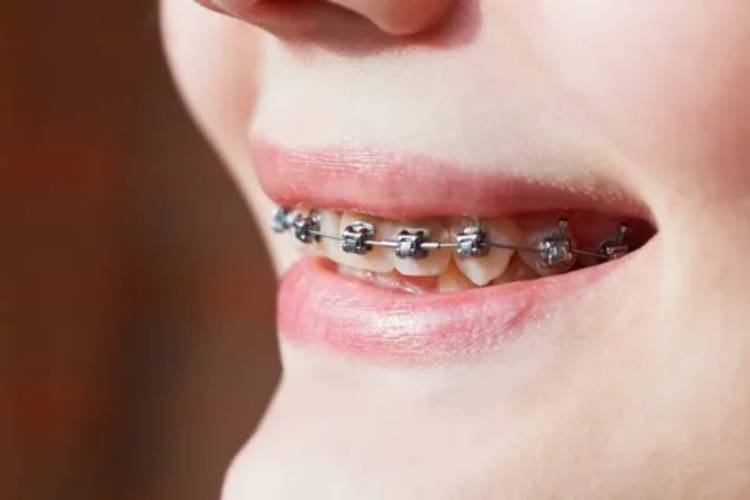
Self-ligating braces are used to treat many of the same conditions as traditional systems. However, not every patient requires this specific approach.
A complete dental exam and orthodontic evaluation are necessary before starting treatment.
Crowded teeth and spacing issues
Patients with dental crowding, gaps, or overlapping teeth may benefit from self-ligating systems because they can support controlled alignment changes over time.
Bite alignment problems
Self-ligating braces are commonly used to treat bite problems, including overbite, underbite, crossbite, and open bite conditions.
Adults considering braces
Adults often choose these braces because they are interested in discreet and efficient orthodontic treatment. Some patients also compare them to clear aligners when exploring cosmetic treatment options.
Teens seeking discreet orthodontic treatment
Teenagers may appreciate smaller brackets and fewer adjustment visits during treatment. Many teens also prefer self-ligating systems because they can look cleaner and more modern than traditional braces with elastic bands, helping them feel more confident throughout the orthodontic process.
Schedule Your Orthodontic Consultation Today
If you are considering braces and want to learn whether self-ligating braces are the right option for your smile, our Oakville dentists at Smile Point Dental is here to help. From crowded teeth and bite alignment issues to modern orthodontic treatment options such as Invisalign and self-ligating systems, a personalized consultation can help you understand the best path toward your dental goals.
Contact Smile Point Dental today to book your consultation and take the next step toward a healthier, more confident smile.
Types of Self-Ligating Braces
There are several self-ligating systems available today, and each uses slightly different bracket designs and materials. Patients should discuss available options with their orthodontist before beginning treatment.
Metal self-ligating braces
Metal systems are durable, effective, and commonly used for moderate to complex alignment problems. They are often recommended for patients who need significant tooth movement because metal brackets can withstand greater orthodontic forces while remaining reliable throughout treatment.
Ceramic self-ligating braces
Ceramic brackets are designed to blend with natural tooth color, making them more discreet for adults and older teens. Many patients choose ceramic self-ligating braces because they strike a balance between effective orthodontic treatment and improved smile aesthetics during straightening.
Damon braces and other systems
Damon Braces are among the best-known self-ligating systems and use passive sliding technology to reduce friction during treatment. Similar self-ligating bracket systems are also available from other manufacturers, and the best option often depends on the patient’s alignment needs, treatment goals, and the orthodontist’s recommendation.
Possible Disadvantages of Self-Ligating Braces
Although many patients are interested in self-ligating braces vs traditional braces, it is important to understand that every orthodontic system has limitations.
Treatment decisions should always be based on individual dental needs rather than marketing claims alone.
Cost considerations
Self-ligating systems may cost more than conventional braces, depending on the clinic and complexity of treatment.
Not ideal for every orthodontic case
Certain severe bite issues or jaw conditions may still require additional orthodontic appliances or even oral surgery in complex situations.
Importance of professional monitoring
Even with advanced bracket systems, routine monitoring remains essential to ensure healthy tooth movement and prevent complications.
Caring for Self-Ligating Braces
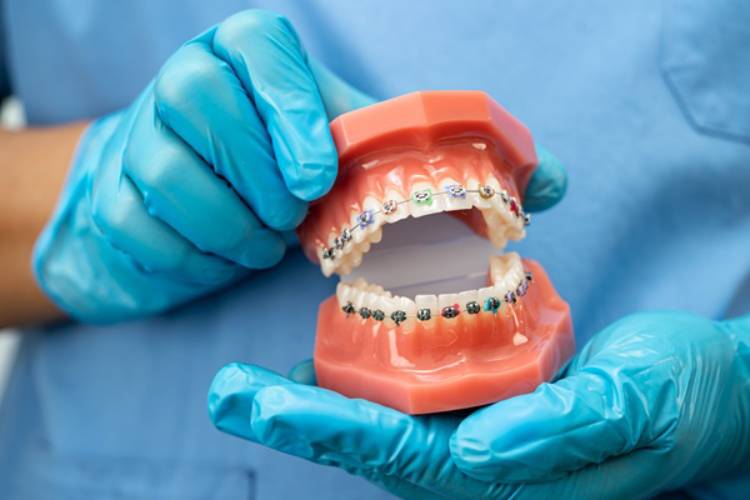
Successful treatment depends heavily on daily maintenance and proper care. Keeping braces clean helps reduce plaque buildup, staining, and gum irritation throughout treatment. Patients should also continue routine visits with their family dentist during orthodontic care.
Daily brushing and flossing tips
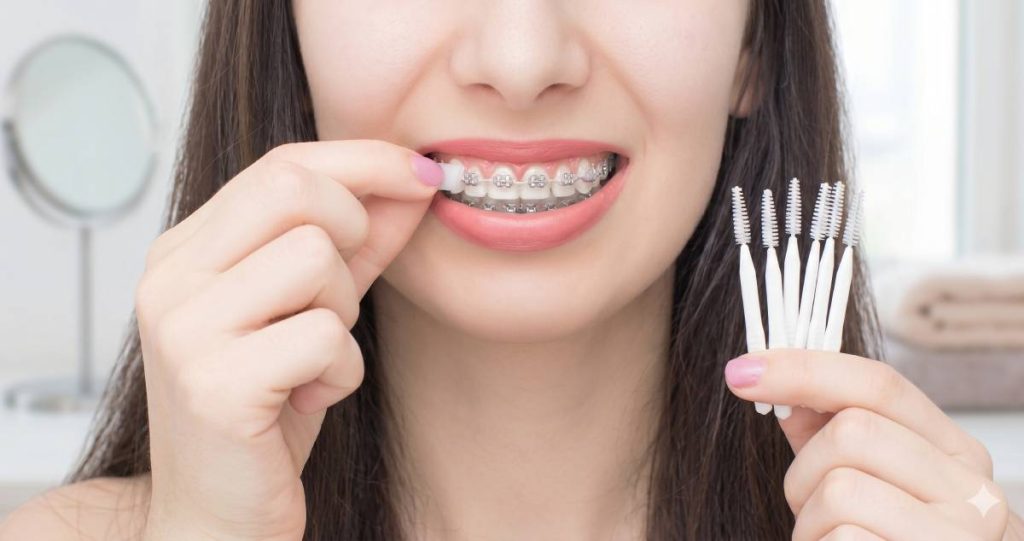
Brush carefully around brackets and wires after meals using a soft-bristled toothbrush and fluoride toothpaste. Flossing tools designed for braces can help clean difficult areas. Consistent cleaning is important because food particles and plaque can more easily build up around brackets during orthodontic treatment, increasing the risk of cavities and gum irritation.
Foods to avoid
Sticky candies, hard foods, popcorn kernels, and chewing ice may damage brackets or wires. Cutting crunchy fruits and vegetables into smaller pieces and avoiding overly chewy snacks can also help prevent unnecessary orthodontic repairs or treatment delays.
Managing discomfort during treatment
Mild soreness after adjustments is common. Soft foods, orthodontic wax, and cold drinks may help reduce irritation temporarily. Most discomfort improves within a few days as the teeth gradually adjust to the pressure from the braces.
Importance of routine orthodontic visits
Routine visits allow the orthodontist to monitor progress, adjust wires, and ensure the treatment plan stays on track. Regular appointments also help identify potential issues early, such as loose brackets, plaque buildup, or bite changes that may require additional adjustments.
Read more: “How Long Does Invisalign Really Take?”
Self-Ligating Braces vs Invisalign
Many patients comparing self-ligating braces vs traditional braces also want to know how they compare with Invisalign. Both options can improve alignment, but they work differently.
The best treatment depends on lifestyle preferences, treatment goals, and the complexity of the case.
Treatment visibility
Invisalign uses nearly invisible trays, while braces remain attached to the teeth throughout treatment. This makes clear aligners a popular option for adults and teens who want a more discreet appearance during orthodontic treatment.
Comfort and removability
Clear aligners can be removed for eating and brushing, while braces remain fixed in place. The ability to remove aligners may also make daily oral hygiene and meal choices easier for some patients.
Treatment complexity
Self-ligating braces are often better for complex bite correction and major alignment issues. Orthodontists may recommend braces instead of aligners when more precise tooth movement or significant jaw alignment correction is needed.
Read more: “How Much Does Invisalign Price in Oakville?”
Which option may work better for different patients
Patients focused primarily on appearance may prefer Invisalign, while others needing more advanced tooth movement may benefit from braces.
Some patients also explore cosmetic options, such as composite veneers, after orthodontic treatment to further improve the aesthetics of their smile.
Important Disclaimer About Orthodontic Care
At Smile Point Dental, dental and orthodontic information is provided for educational purposes only and should not replace a professional diagnosis or personalized treatment plan. Every patient’s orthodontic needs are different, and treatment recommendations should always be based on a complete clinical evaluation by a qualified dental professional. Smile Point Dental provides patient-focused services, including preventive care, orthodontics, restorative dentistry, and other professional dental treatments tailored to individual oral health goals.
Conclusion
Understanding self-ligating braces vs traditional braces can help patients make more informed decisions about orthodontic treatment. Both systems are effective for improving dental alignment, correcting bite problems, and supporting long-term oral health, but self-ligating systems offer a more modern bracket design with reduced friction and potentially easier maintenance. According to a review published in the National Library of Medicine, self-ligating bracket systems may offer advantages such as lower friction, improved comfort, and easier oral hygiene maintenance during treatment.
For many patients, self-ligating braces provide a balance between treatment efficiency, comfort, and aesthetics. However, the best orthodontic solution always depends on the complexity of the case, treatment goals, and professional recommendations from an experienced orthodontist. A personalized consultation is the best way to determine whether self-ligating braces, traditional braces, or Invisalign is the right option for achieving a healthier and more confident smile.
FAQ
1. What are self-ligating braces?
Self-ligating braces are orthodontic appliances that use built-in clips instead of elastic bands to hold the archwire in place.
2. Are self-ligating braces faster than traditional braces?
Some studies suggest they may improve treatment efficiency, but overall treatment time varies with case complexity.
3. Do self-ligating braces hurt less?
Many patients report reduced pressure and discomfort because the brackets create less friction during tooth movement.
4. How often do self-ligating braces need adjustments?
Adjustment frequency varies, but some patients may require fewer appointments compared to traditional systems.
5. Are self-ligating braces easier to clean?
Many patients find them easier to clean because there are no elastic bands trapping as much plaque and debris.
Have you ever had self-ligating braces or traditional braces? Share your experience, treatment journey, or tips in the comments. Your story may help someone choose the right orthodontic option for their smile.