Jaw pain, clicking sounds, headaches, or tension around your face can make simple everyday things uncomfortable. These are common signs of temporomandibular joint disorder (TMD). At Smile Point Dental, we offer TMJ treatment in Oakville to help patients manage discomfort and restore comfortable jaw movement over time.
Your symptoms may be occasional or daily. In both cases we examine your bite and the jaw joint to understand what may be leading to the problem, then recommend a realistic treatment plan.
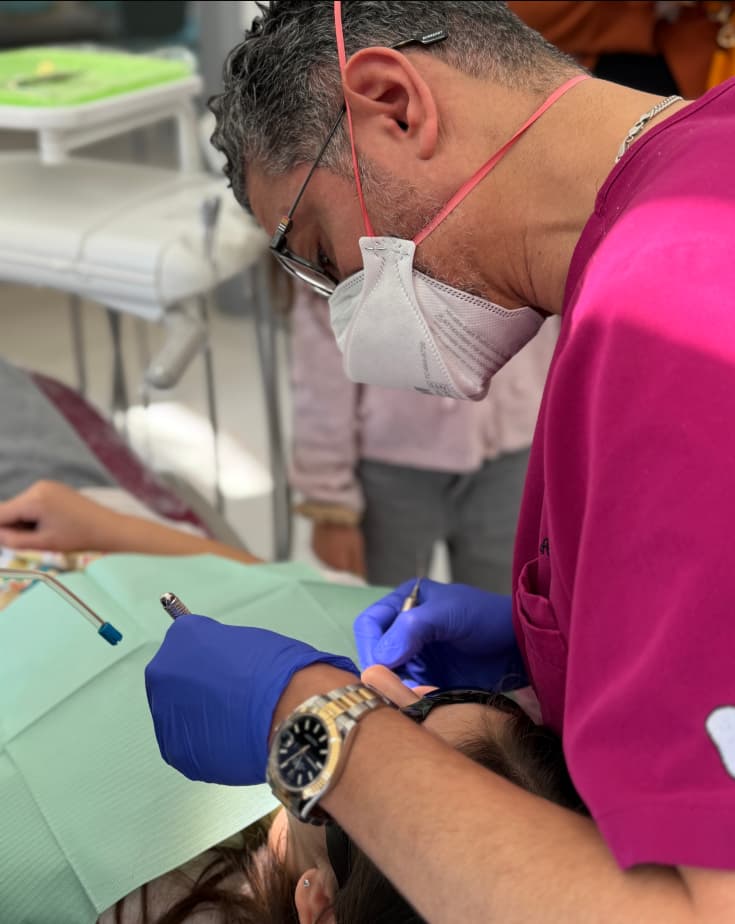
The reason you can speak, chew, yawn, and move your mouth is the temporomandibular joints (TMJ) that connect your jaw to your skull. When these joints or the surrounding muscles become irritated or strained, it can lead to what is commonly called TMJ disorder or TMD.
TMJ problems can happen for different reasons, and symptoms are mild jaw tension, chronic pain, headaches, or difficulty opening the mouth fully. In many cases, symptoms gradually develop over time rather than appearing suddenly.
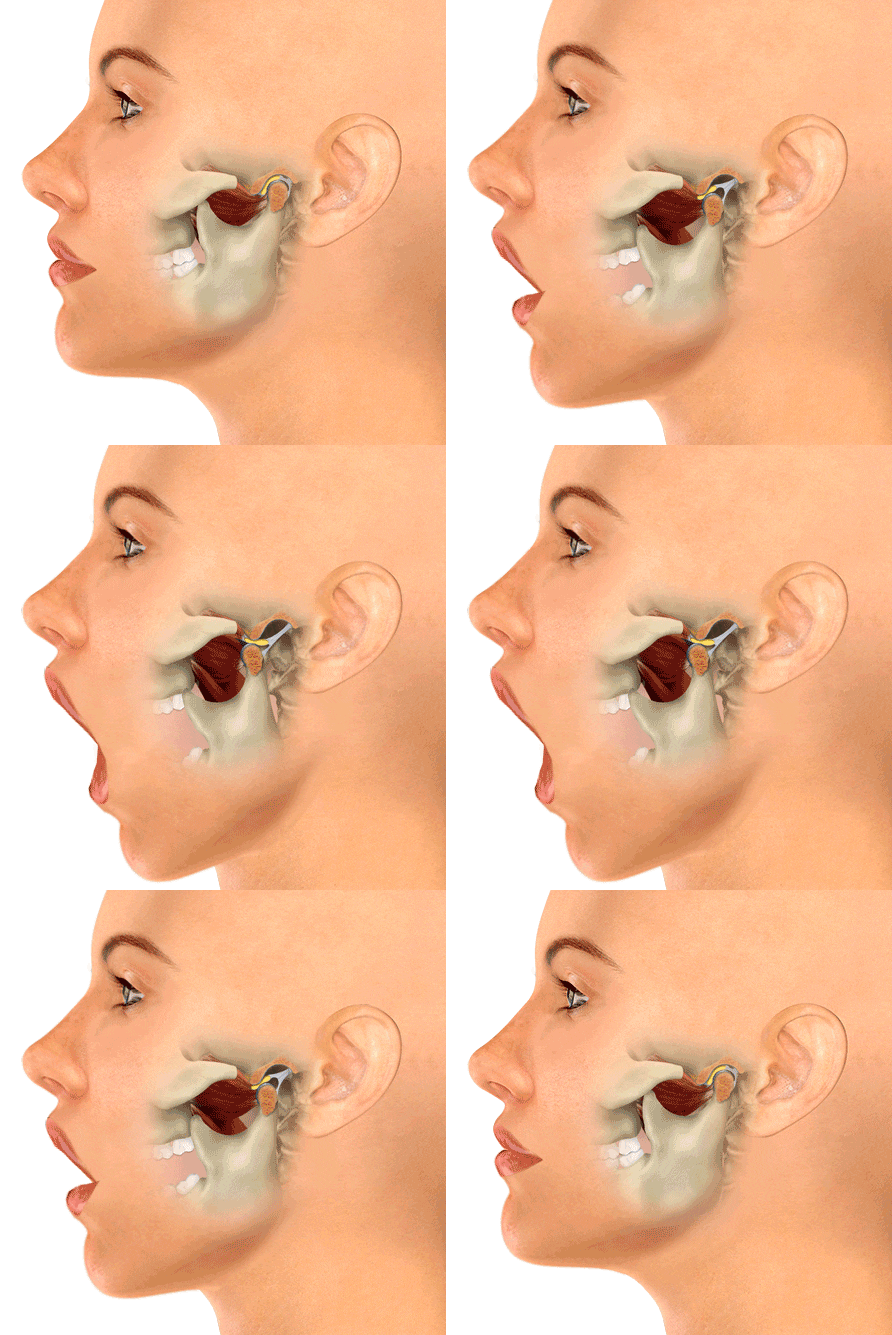

Occasional jaw clicking without pain usually needs no treatment. See a dentist when symptoms start to interfere with daily life. Warning signs include pain around the temporomandibular joint that lasts more than a week or two, and difficulty opening or closing your mouth fully. A jaw that locks in place or restricts jaw movement during chewing also warrants an assessment. Frequent morning headaches or ear pain alongside jaw tension can point to TMD as well. An early bite evaluation keeps small problems from becoming chronic and leaves you with more conservative treatment options.
Tension in the jaw muscles can spread into the temples, face, neck, and shoulders. As a result, TMJ dysfunction is sometimes connected to recurring headaches or migraine-like discomfort, especially in patients who clench their teeth during sleep.
Because the jaw joints are located close to the ears, TMJ problems can sometimes create ear-related symptoms. Some patients notice ringing in the ears, pressure, fullness, or discomfort that is similar to an ear infection, even when the ears themselves are healthy.
At Smile Point Dental, we recommend TMJ treatment based on the cause of your symptoms, your bite, and the level of jaw discomfort you are experiencing. Our conservative approach focuses on reducing strain on the jaw, improving comfort, and addressing factors that may contribute to your symptoms.
An uneven bite can sometimes place extra stress on certain areas of the jaw. Through a careful bite evaluation, we assess how your teeth come together and determine whether minor occlusal adjustments may help improve balance and reduce strain.
Through years of caring for patients with TMD, we understand how frustrating and disruptive these symptoms can be. They often affect sleep, eating, focus, and even simple daily comfort. That’s why we start by really understanding what you’re experiencing, not just focusing on the symptoms alone.
At Smile Point Dental, TMJ care is calm and supportive. Many patients come to us after dealing with discomfort for a long time, so we take extra care to make each visit feel comfortable and informative. What patients appreciate about our approach is:

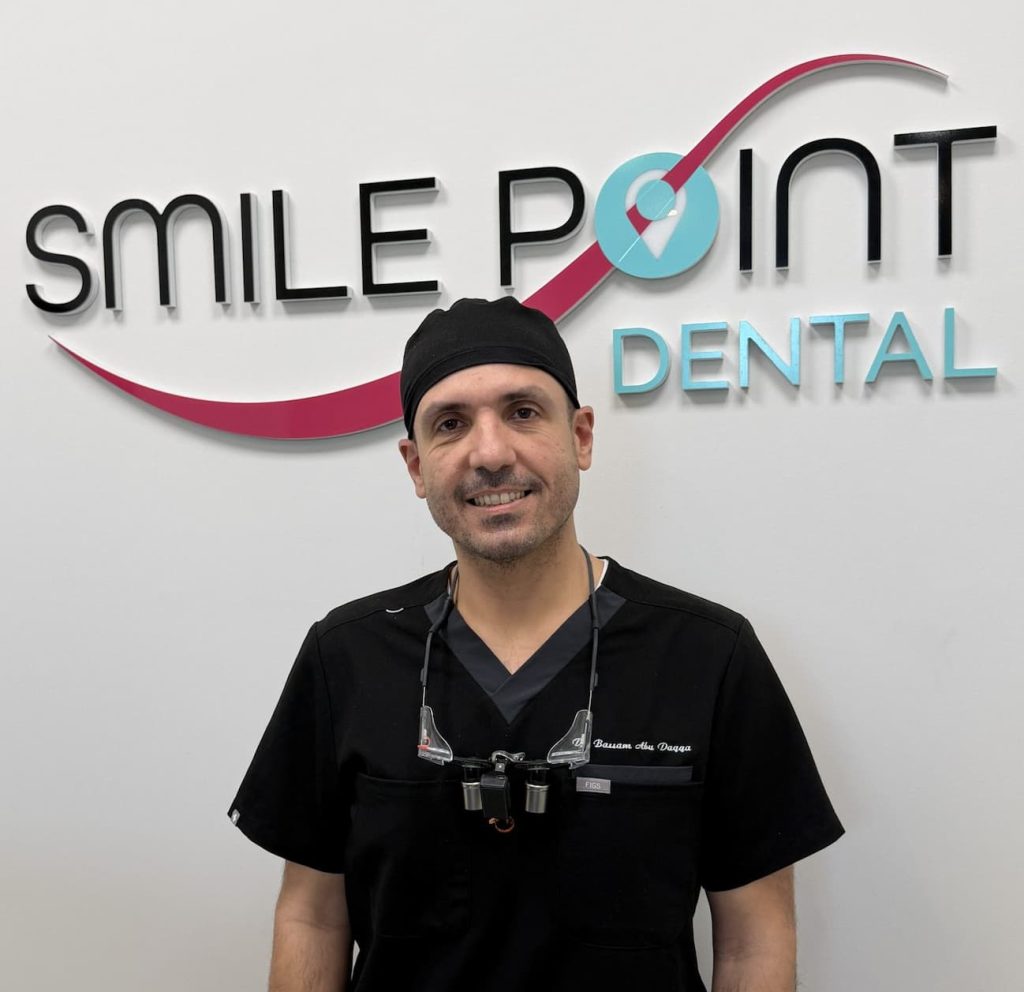
Dr. Bassam Abudaqa is a general and family dentist at Smile Point Dental in Oakville, providing TMJ care with a conservative and patient-centered approach. With a Master’s Degree in Restorative Dentistry, Endodontics, and Fixed Prosthodontics from the University of Cairo, along with over eight years of clinical experience, he brings a strong understanding of bite function and jaw health to his patient care. Dr. Abudaqa focuses on evaluating TMJ concerns and developing personalized treatment plans that may help manage jaw pain, clicking, and muscle tension. He is a member of the Royal College of Dental Surgeons of Ontario (RCDSO) and the Ontario Dental Association (ODA).

 Luisa
LuisaTrustindex verifies that the original source of the review is Google.
Dr.Vida ,Bridgette & the staff at Smile Point were above & beyond one of the best dentistry’s I have been to in a long time . Thank you , Luisa Blazys 🫶 Namrata sharmaI had an amazing experience at Smile Dental today! I went in for a teeth cleaning, and I’m very happy with the service. Dr. Narema was absolutely amazing—she was professional, gentle, caring, and made me feel very comfortable throughout the appointment. She explained everything clearly and did an excellent job with my cleaning. My teeth feel so clean and fresh, and I really appreciate the care and attention I received. Thank you, Dr. Narema, and the entire Smile Dental team for such a wonderful experience! I would definitely recommend Smile Dental to anyone looking for great dental care. ⭐⭐⭐⭐⭐
 Mrutha LoganI will always recommend Dr. Bassam for any of your dental needs. I walked in quite literally crying; first because I was in agonizing pain, and second because I needed a root canal and was terrified. From the moment I walked in, the entire team at Smile Dental put me at ease. Bridgette at reception is the sweetest and gives you that exact boost of confidence you need when you're feeling low. The dental hygienists, Fatma and Nadia, are both wonderful, soft-spoken, gentle, and so reassuring while you're in the chair. Dr. Bassam completed the root canal in about an hour, and I honestly didn't feel a single thing. I left thinking to myself, what on earth was I so scared about? But I only felt that way because team is genuinely so caring and attentive. They always explain everything clearly and let you make your own decisions without any pressure. Having transparent pricing and direct billing was also a huge plus. I’ve now finished all my procedures right up through the permanent crown fitting, and I couldn't be happier with my experience. If you’ve read this far, I hope this convinces you that Smile Dental is a place where you will feel completely comfortable, cared for, and never pressured.
 mohammad znOne of the best dental clinics I've ever visited! The clinic staff are professional and friendly, and Dr. Vida and her assistant are absolutely the bests! Dr. Vida goes through all the steps and explains everything clearly! Highly recommended 👌🏻She is highly skilled and very light handed, she truly cares about patients ! I highly recommend this clinic and Dr. Vida ! 👍🏻
 SallyDr. Dorar was very thorough and took the time to answer my questions. I appreciated how organized the clinic was and how smoothly everything went from start to finish. I felt I was in good hands and would be happy to return to Smile Point Dental.
 Manal DaherI had a great experience with Dr. Bassam Abu Daqqa. He did a cleaning and filling on the last molar before my wisdom tooth, which was in a very difficult-to-reach area. The cavity was also on two sides of the tooth, making it quite challenging to access. Despite the difficulty, he handled everything with great skill, precision, and professionalism. The entire procedure was completely painless, and I felt comfortable throughout the treatment. I’m very impressed with his work and the result. I highly recommend him to anyone looking for a skilled, gentle, and professional dentist. Thank you, Doctor, for the excellent work!
 Catherine BMy experience here was excellent. My daughter had an urgent concern that required an appointment right away. Dr. Dorar was able to accommodate us on very short notice. When we arrived the staff were very friendly and welcoming, and the procedure for my daughter was great. The doctor gave us follow up advice before we left the clinic and the healing process went smoothly. I highly recommend Smile Point Dental for all of your dental and dental surgery needs.
 Amy WuGreat experience with getting my wisdom teeth removed! Dr. Dorar was nice and explained everything clearly. It was super fast for the easy ones
 KokofinoI had cosmetic work completed with Dr.Vida and her assistant Fatma. They did an amazing job and I would highly recommended if you are considering any cosmetic work.
 Samara AbudaqqaExcellent dental clinic, The staff were very friendly, professional, and especially wonderful with children. They made my kids feel comfortable and relaxed throughout the visit. Highly recommended!
Smile Point Dental is located on Cornwall Road in Oakville, close to the QEW and Oakville GO Station. We serve patients across Falgarwood, Kerr Village, Glen Abbey, Ennisclare Park, Charnwood, Holton Heights, Trafalgar, Clearview, Uptown Core, and Sheridan Park.
Team of 5 dentists with 30+ years of experience serving Oakville families.
Rated by 300+ patients who shared their experience after visiting our clinic.
A growing community of Oakville families who chose us for their dental care.
TMJ dysfunction happens when the jaw joints or surrounding muscles become strained, inflamed, or unbalanced. Repetitive pressure from clenching or grinding is one of the most common reasons patients develop TMJ symptoms.
Treatment depends on the source of the problem. Common options include night guards, splints, bite evaluations, stress management strategies, and treatment for grinding or clenching habits. The goal is usually to reduce pressure on the jaw and improve function gradually.
Coverage varies depending on your insurance plan and the type of treatment recommended. Some plans may provide partial coverage for appliances such as night guards or splints. Our team can help review your benefits and explain possible coverage before treatment begins.
© 2026. All Rights Reserved. | Privacy Policy | Terms & Conditions | Accessibility Statement