If you’ve finished braces or clear aligners and noticed your teeth starting to shift, or you’re simply wondering whether a retainer can straighten them, you’re asking a very common question.
A retainer for teeth straightening is not designed to actively move teeth the way braces or clear aligners do. Its main role is orthodontic retention: keeping your teeth in their corrected position after treatment and helping prevent orthodontic relapse.
In this guide, we’ll explain what retainers actually do, the different types available, how long you need to wear them, what happens if you stop, and what to do if yours no longer fits. At Smile Point Dental, Dr. Vida Siar, who has extensive experience in orthodontics and full-mouth care, helps patients protect their results with clear, practical guidance.
What Is a Retainer for Teeth Straightening?
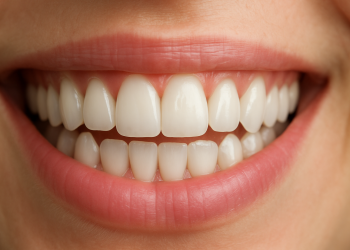
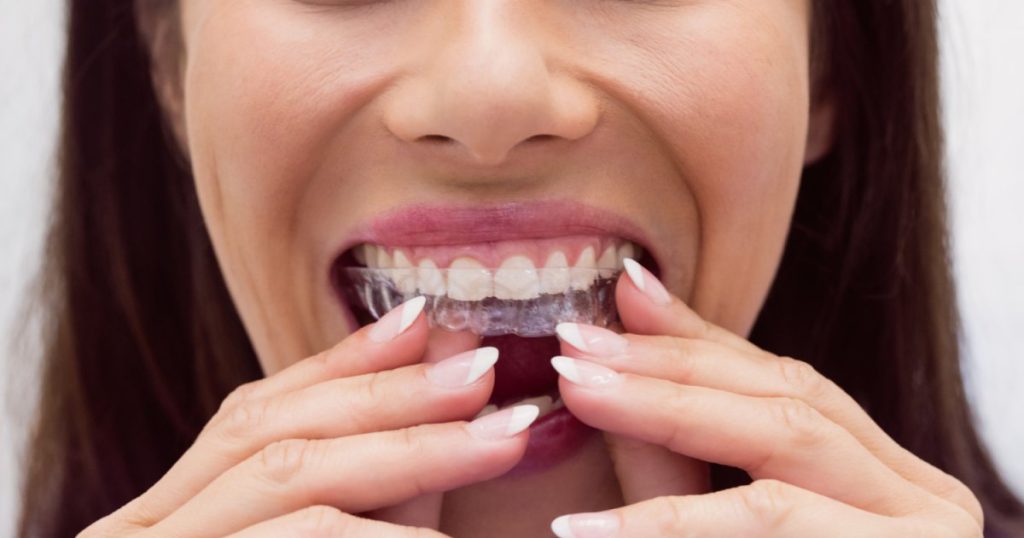
A retainer is a custom-made appliance that you wear after braces or clear aligners. Its job is straightforward: it holds your teeth in the new position they reached during orthodontic treatment. Once the active phase of moving teeth is finished, the bone and periodontal ligament around them still need time to stabilize. A retainer supports that process and helps keep the alignment you achieved.
Why You Need a Retainer
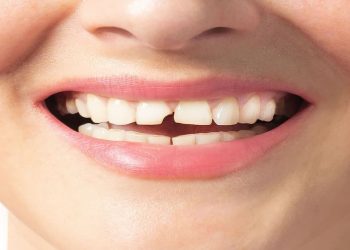
Even after your teeth look straight, they can still shift. The tissues that hold them in place continue to remodel for months or even years. Without something to maintain the new positions, many people experience orthodontic relapse: teeth gradually moving back toward their original places. Wearing a retainer reduces that risk and protects the time and effort you invested in treatment.
Research Box: Research has shown that the tissues holding your teeth in place can take more than 7 months to fully settle after braces or aligners come off. This is one reason many orthodontists recommend wearing a retainer for at least several months.
(British Orthodontic Society Clinical Guidelines on Orthodontic Retention)
Main benefits of wearing a retainer:
- Helps maintain tooth alignment
- Lowers the chance of relapse
- Preserves the results of your orthodontic treatment
In many cases, consistent wear also reduces the likelihood of needing further treatment later if teeth start to move again.
Retainers vs. Braces and Clear Aligners
Braces and clear aligners, including Invisalign, are designed to move teeth. Braces apply steady force through brackets and wires, while clear aligners use a series of trays to guide teeth into new positions step by step. A retainer works differently. It does not create the same active force. Instead, it holds the teeth where they already are after treatment is complete. That is why retainers are used for orthodontic retention rather than for straightening teeth from the start.
Also check: How Long Does It Take for Invisalign to Close Gaps Between The Teeth?
Can a Retainer Straighten Teeth?
No. Retainers don’t actively straighten teeth like braces or clear aligners. Their role is to hold teeth in place after orthodontic treatment, not to move them into a new position.
In very limited situations, if teeth have shifted only slightly and your retainer still fits properly, wearing it consistently may help guide them back a little. But if the shift is more noticeable, the retainer no longer fits, or it needs force to go in, do not push it. Contact us so we can check the situation and advise the right next step.
Read more: 6 Causes of Crooked and Misaligned Teeth You Should Know
Types of Retainers
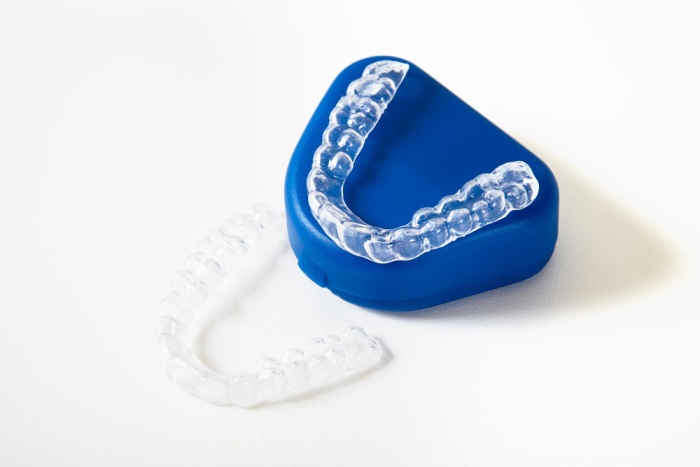
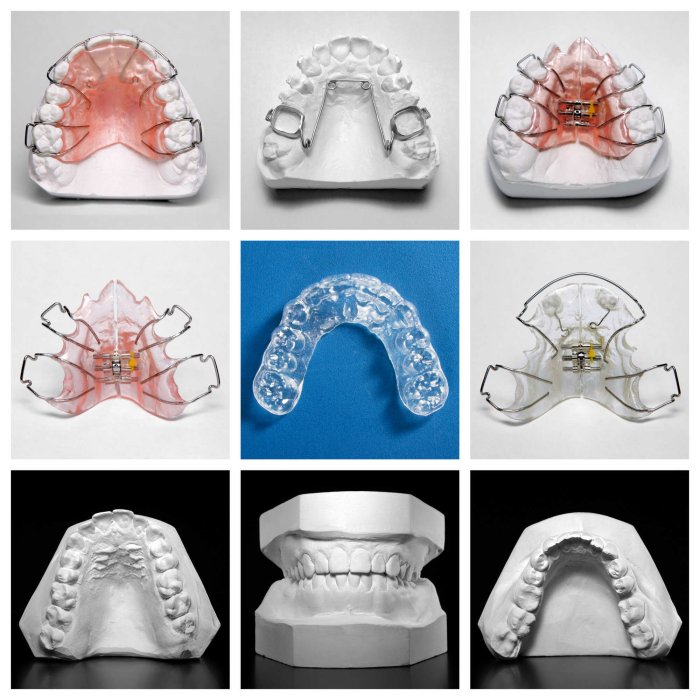
There are three main types of retainers used after orthodontic treatment. Each works a little differently, and the best choice depends on your specific situation.
| Feature | Clear Retainer | Hawley Retainer | Fixed Retainer |
| Appearance | Almost invisible | Visible wire across the front teeth | Hidden behind the teeth |
| Removable | Yes | Yes | No (bonded in place) |
| Main structure | Clear plastic tray | Acrylic base + metal wire | Thin wire bonded to the back of teeth |
| Cleaning | Easy to remove and clean | Easy to remove and clean | Needs careful cleaning around the wire |
| Patient compliance | Requires daily wear as directed | Requires daily wear as directed | Always working (no daily remembering) |
| Durability | Can wear out over time | Generally more durable | Can loosen or break; needs checks |
| Key points | Discreet and comfortable for most people | Strong and adjustable in some cases | Good for patients who may forget to wear a removable retainer |
Note: The choice of retainer should be based on your individual needs, oral hygiene habits, and especially the advice of your orthodontist. Current evidence does not support one single type as the best option for every patient.
Keep Your Teeth in Place
Retainers are essential for maintaining the results of your orthodontic treatment and preventing your teeth from gradually shifting over time. Whether you’ve recently finished treatment, misplaced your retainer, or feel that it no longer fits properly, a professional assessment can help you take the right next step to protect your smile.
At Smile Point Dental, Dr. Vida Siar provides personalized orthodontic care, offering custom retainers, adjustments, and ongoing support to ensure your results last long after treatment is complete.
Book your retainer consultation today.
How Long Do You Need to Wear a Retainer?
Most people start with full-time wear right after braces or clear aligners come off. This usually means wearing the retainer for most of the day and night, removing it only to eat and brush. After the first few months, many patients transition to part-time or nighttime wear only.
The exact schedule is not the same for everyone. It depends on how your teeth respond and what your orthodontist recommends. We will give you a clear plan based on your specific situation and adjust it as needed over time.
Read more: How Cosmetic Dentistry Can Fix Crooked Teeth Without Braces
Do You Have to Wear a Retainer Forever?
Teeth can continue to shift even years after orthodontic treatment ends. Because of this, many protocols recommend long-term or lifelong retention, especially wearing the retainer at night. There is no single fixed timeline that works for every patient. The goal is simply to protect the alignment you achieved for as long as possible.
Related guide: How Long Does Invisalign Really Take?
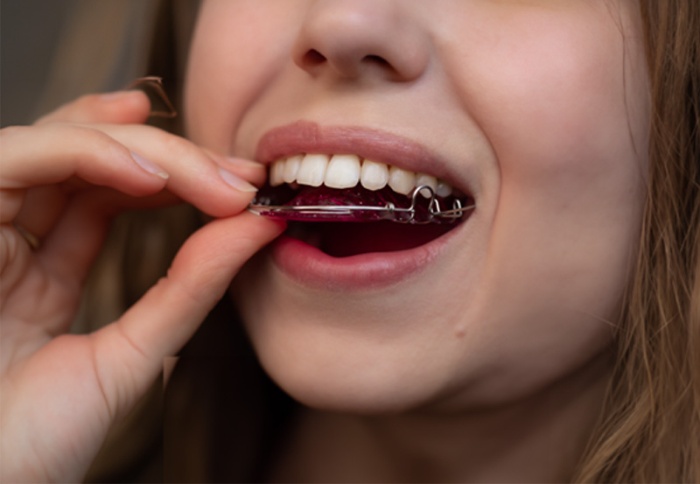
How to Care for Your Retainer
Taking care of your retainer helps it last longer and keeps your mouth healthy.
For removable retainers (clear or Hawley):
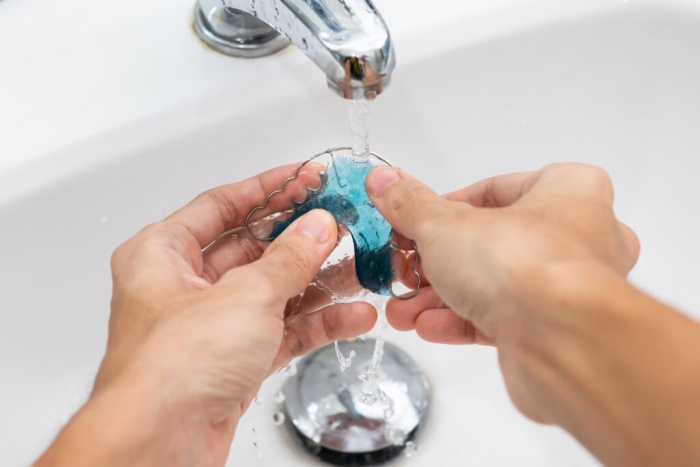
- Clean them every day with a soft toothbrush and mild soap or a retainer cleaner.
- Rinse well after cleaning.
- Never use hot water, as it can warp the material.
- When you’re not wearing the retainer, always store it in its protective case.
- Avoid wrapping it in a napkin or leaving it where it can get lost, damaged, or chewed by pets.
For fixed retainers:
- Brush carefully around the wire.
- Floss underneath it every day.
- Maintain good oral hygiene around the bonded wire to help prevent plaque buildup.
What If Your Retainer No Longer Fits? When to Contact Your Dentist
If your retainer feels tight, does not seat fully, or needs force to go in, stop trying to wear it. This often means your teeth have shifted. Do not push it into place, as this can cause discomfort or damage.
Contact us right away if:
- The retainer feels too tight or painful
- It no longer fits properly
- It is broken, cracked, or lost
- A fixed retainer wire feels loose
The sooner we check it, the better chance we have of protecting your alignment and finding the right solution.

Last Words: Keep Your Teeth Straight After Orthodontic Treatment
A retainer’s main job is to protect the alignment you achieved after braces or clear aligners. Those appliances actively move teeth, while a retainer holds them in place. Relapse can still happen months or years later, so the type of retainer and how long you wear it are chosen for your individual needs. If your retainer no longer fits or you notice shifting, a professional assessment is the safest next step.
If your orthodontic treatment is finished, you don’t have a retainer, yours no longer fits, or you’ve noticed your teeth moving, we’re here to help. Contact Smile Point Dental for a retainer consultation or orthodontic assessment. Call us at (647) 492-9329, or visit us in person at 1525 Cornwall Rd, Oakville, ON L6J 0B2.
FAQ
Can I eat or drink while wearing my retainer?
No. Always remove removable retainers before eating or drinking anything except water to avoid damage and keep them clean.
Will wearing a retainer affect my speech?
It may feel slightly different at first, especially with a Hawley retainer, but most people adapt within a few days.
How often do retainers need to be replaced?
It varies. Clear retainers may need replacement sooner than Hawley ones. We will check yours and advise when needed.
Can I wear a removable retainer if I already have a fixed retainer?
Yes. Many patients use both; a fixed retainer on the lower teeth and a removable one for extra support.
Is it normal for a new retainer to feel tight at first?
Yes, mild tightness is common as it settles. If it causes pain or won’t seat fully, contact us right away.
What should I do if my fixed retainer wire becomes loose?
Contact us as soon as possible so we can check and repair it before any unwanted tooth movement occurs.
Can a Retainer Fix Slightly Crooked or Shifted Teeth?
For minor, recent movements, a well-fitting retainer can sometimes help. It is not a substitute for orthodontic treatment, though. Significant shifting or relapse usually needs a proper assessment and, if necessary, further treatment.
What Happens If You Stop Wearing Your Retainer?
If you stop wearing your retainer, your teeth may gradually shift again. This orthodontic relapse can occur months or years after treatment, which affects the alignment achieved with braces or clear aligners.
Have questions about your retainer or your own experience? Share them in the comments below.