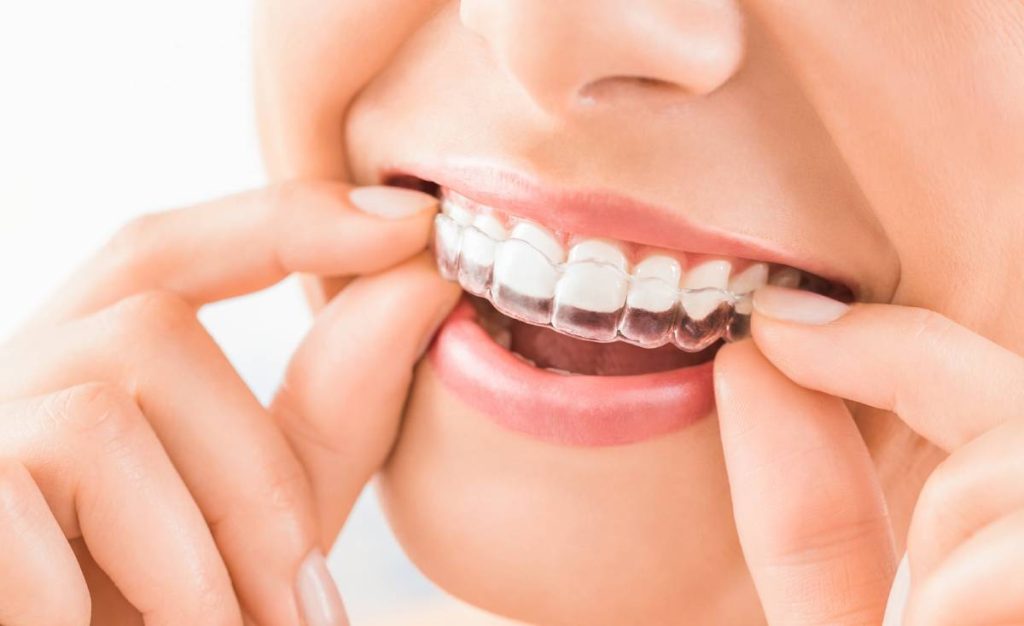
For many Canadians, straightening teeth with Invisalign sounds appealing until they see the cost. Orthodontic treatment can be expensive, and that is why more people are asking about CDCP Invisalign coverage and whether the Canadian Dental Care Plan can help reduce the financial burden.
The short answer is that CDCP orthodontic coverage may include certain orthodontic treatments in limited situations, but Invisalign is not automatically covered for cosmetic purposes. Coverage depends on medical necessity, eligibility, and approval requirements established by the Government of Canada. Understanding how the program works can help patients make more informed decisions before starting treatment.
In this guide, we will explain how CDCP Invisalign coverage works, when orthodontic treatment may qualify as medically necessary, what costs patients may still need to pay, and what alternatives may exist if Invisalign is not approved under the Canadian Dental Care Plan.

What Is the CDCP?
The Canadian Dental Care Plan was introduced to improve access to essential dental services for eligible Canadians without private dental insurance. The program is designed to help lower-income households receive preventive and restorative dental care that may otherwise be difficult to afford.
Before looking specifically at CDCP Invisalign coverage, it helps to understand who qualifies, what services are included, and how payment works between dental providers and the federal program.
Who Qualifies for the Canadian Dental Care Plan
CDCP eligibility is primarily based on household income and access to private insurance. The program is intended for Canadian residents who do not already have employer-sponsored dental benefits and who meet income requirements set by the Government of Canada.
Eligibility continues expanding in phases, beginning with seniors and gradually including more age groups. Patients applying for CDCP Oakville services or orthodontics should also understand that qualification for the plan does not automatically guarantee approval for every treatment.
What Dental Services Are Currently Covered
The Canadian Dental Care Plan currently focuses mainly on preventive and essential dental care. Covered services may include routine cleanings, oral hygiene support, scaling, fillings, X-rays, dental exam appointments, root canal therapy, restorative dentistry procedures, and in some cases tooth extraction services.
However, orthodontic treatment coverage is treated differently from standard preventive care. Some treatments require preauthorization CDCP approval before coverage is considered.
How CDCP Reimbursement Works
The CDCP does not always pay 100% of treatment costs. Coverage depends on household income and the established CDCP fee guide. Some patients may still have co-payments or additional expenses if the dental clinic charges above CDCP rates.
Patients considering Invisalign coverage Canada options should understand these financial details before beginning treatment plans.
Does CDCP Cover Invisalign?
This is the section most patients are searching for because many want a direct answer before booking consultations. While some online sources simplify the answer, the reality is more nuanced.
At this time, CDCP Invisalign coverage is limited and generally tied to medically necessary orthodontics rather than cosmetic improvements.
Current Orthodontic Coverage Under CDCP
Orthodontic benefits Canada programs under the CDCP are not automatically available for every patient seeking straighter teeth. According to current federal guidelines, orthodontic services may only be considered when they are deemed medically necessary.
This means patients interested in Invisalign, clear aligners, or braces may need supporting documentation proving the treatment addresses functional problems rather than appearance alone.
When Invisalign May Be Considered Medically Necessary
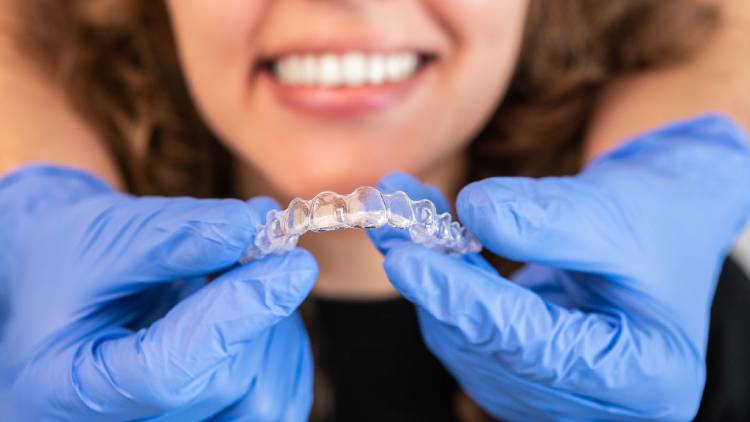
There are situations where medically necessary Invisalign treatment may qualify for review. Examples may include severe bite problems, speech difficulties, jaw alignment complications, or orthodontic conditions that interfere with chewing and oral function.
In these cases, an orthodontic assessment may be required to determine whether Invisalign or another orthodontic treatment is appropriate. Preauthorization and supporting records are often necessary before approval decisions are made.
Why Cosmetic Invisalign Treatment Is Usually Not Covered
Most cosmetic dentistry treatments are not prioritized under public dental coverage programs. If Invisalign is requested mainly to improve appearance or create minor cosmetic changes, approval is less likely.
This is one of the main differences between standard Invisalign treatment and medically necessary orthodontics under the Canadian Dental Care Plan.
What “Medically Necessary” Means for Invisalign
The phrase “medically necessary” appears frequently in discussions about braces and Invisalign CDCP coverage, but many patients are unsure what it actually means.
In orthodontics, medical necessity generally refers to problems affecting oral function, jaw health, or long-term dental stability rather than cosmetic appearance alone.
Severe Bite Problems and Jaw Alignment Issues
Some orthodontic problems go beyond crooked teeth. Severe overbites, underbites, crossbites, or jaw misalignment can affect chewing, speaking, and long-term dental health.
When orthodontic issues create functional limitations, patients may have a stronger case for orthodontic treatment coverage through CDCP programs.
Functional Oral Health Problems
Orthodontic problems can sometimes contribute to chronic oral health issues. Crowded teeth may make oral hygiene more difficult, increasing the risk of gum disease and cavities. Bite problems can also place uneven pressure on teeth and jaw joints.
In some situations, orthodontic care may help prevent future restorative dentistry needs caused by ongoing structural problems.
Orthodontic Assessment and Documentation Requirements
Patients seeking CDCP Invisalign coverage approval usually require professional evaluation and documentation. Orthodontists may need photographs, digital scans, bite analysis, and written explanations supporting why treatment is medically necessary.
This review process is part of the preauthorization CDCP procedures and can take time before final approval decisions are made.
Does CDCP Cover Braces and Other Orthodontic Treatments?
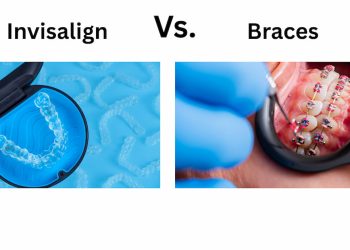
Many patients compare braces vs Invisalign coverage because traditional braces are sometimes considered differently from clear aligners.
The type of appliance alone does not determine approval. Instead, the focus remains on whether the treatment addresses medical necessity.
Braces vs Invisalign Under CDCP
Traditional braces are sometimes viewed as the more cost-effective option for complex orthodontic cases. In situations where both braces and Invisalign could work, coverage decisions may depend on clinical necessity and treatment complexity. Some patients exploring Invisalign insurance Canada options may find that braces are more likely to fit within public coverage limitations.
Differences Between Cosmetic and Functional Orthodontics
Functional orthodontics aims to improve bite stability, jaw alignment, speech, chewing ability, and long-term oral health. Cosmetic orthodontics focuses mainly on appearance. This distinction matters because CDCP dental coverage generally prioritizes treatments connected to health outcomes rather than elective cosmetic improvements.
Preauthorization Requirements for Orthodontic Treatment
Orthodontic services often require preapproval before treatment begins. Without preauthorization, patients may risk paying entirely out of pocket. This is especially important for Invisalign cost Canada discussions because aligner treatment can involve significant expenses over several months or years.
What Costs Might You Still Pay?
Even when coverage exists, patients may still have financial responsibilities. Understanding these costs early helps avoid confusion later.
Co-Payments Based on Income
The Canadian Dental Care Plan uses income-based co-payment structures. Some households may receive full coverage, while others may need to contribute a percentage of treatment costs.
Patients should review current CDCP eligibility guidelines carefully because co-payments can vary.
Costs Above CDCP Fee Guides
Dental clinics may charge fees higher than CDCP reimbursement levels. In those cases, patients are responsible for paying the difference directly to the clinic.
This is important when comparing Invisalign coverage Canada options between providers.
Additional Orthodontic Expenses Not Included
Some orthodontic expenses may not be fully included, such as retainers, replacement aligners, extended treatment adjustments, or cosmetic refinements after treatment completion. Patients should always request a detailed financial breakdown before starting orthodontics.
Find Out If Your Invisalign Treatment May Qualify for Coverage
Understanding CDCP Invisalign coverage can feel confusing, especially when orthodontic treatment rules and preauthorization requirements vary from case to case. If you are considering Invisalign or other orthodontic options, scheduling a professional consultation can help you better understand your eligibility, potential costs, and treatment choices. The team at Smile Point Dental Office in Oakville can evaluate your oral health needs and guide you through the next steps with personalized care and treatment planning.
Alternatives If Invisalign Is Not Covered
If CDCP Invisalign approval is denied, patients still have several possible options to make treatment more manageable financially.
Private Dental Insurance Plans
Some private dental insurance Canada plans offer partial orthodontic benefits. Companies such as Sun Life may provide orthodontic coverage depending on the policy selected. However, many plans still include waiting periods, annual limits, and lifetime orthodontic maximums.
Flexible Payment Plans From Dental Clinics
Many clinics now offer monthly payment arrangements for orthodontic treatment. This can make Invisalign and clear aligners more financially manageable without paying the full amount upfront. Flexible financing options are becoming increasingly common in orthodontic practices across Canada.
Traditional Braces as a Lower-Cost Option
In some cases, braces may cost less than Invisalign treatment. Patients focused mainly on affordability may wish to discuss both options during consultations. A professional orthodontic evaluation can help determine which treatment is clinically appropriate and financially realistic.
Read more: “How Much Does Invisalign Price in Oakville?”
How to Check Your Invisalign Coverage
Navigating orthodontic insurance can feel confusing, especially with changing public dental policies. Asking the right questions early can help avoid unexpected costs later.
Questions to Ask Your Dentist or Orthodontist
Patients should ask whether their case may qualify as medically necessary orthodontics, whether preauthorization is required, and what out-of-pocket costs may apply.
It is also important to ask whether Invisalign or braces would be the more realistic option based on clinical findings.
Insurance Verification and Treatment Estimates
Many dental offices help patients verify benefits before treatment begins. Written treatment estimates can provide clearer expectations regarding insurance reimbursement and patient responsibility. This step is especially important before committing to long-term orthodontic treatment plans.
Understanding Preauthorization Approval
Preauthorization does not always guarantee full payment. It simply means the proposed treatment has been reviewed according to CDCP guidelines. Patients should carefully review approval details before proceeding.
A Note About Professional Orthodontic Care
Orthodontic decisions should never be based only on cost or internet searches. Every patient’s oral health needs are different, and treatment recommendations vary depending on bite structure, dental health, jaw alignment, and long-term goals.
Importance of Personalized Orthodontic Assessment
A personalized consultation allows dentists and orthodontists to evaluate oral health properly and recommend appropriate treatment options. Some patients may benefit from Invisalign, while others may require different orthodontic approaches for better long-term stability.
Why Treatment Recommendations Vary Between Patients
No two orthodontic cases are identical. Factors such as age, gum health, previous dental work, crowding severity, and oral hygiene habits all influence treatment recommendations and coverage possibilities.
Professional Dental Services
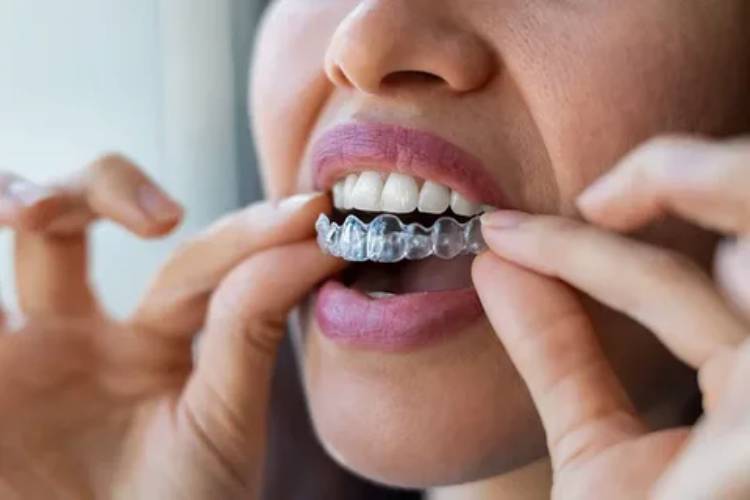
At Smile Point Dental, patient care is based on individual clinical needs rather than one-size-fits-all treatment recommendations. The clinic offers professional dental services, including dental exams, preventive care, restorative dentistry, orthodontics, Invisalign treatment, tooth extraction procedures, cosmetic dentistry, teeth whitening, and other oral health services. This article is intended for educational purposes only and should not replace professional diagnosis, insurance verification, or personalized treatment planning from a licensed dental professional.
Conclusion
Understanding CDCP Invisalign coverage can feel complicated because orthodontic benefits under the Canadian Dental Care Plan are more limited than standard preventive dental services. While some medically necessary orthodontic cases may qualify for review, cosmetic Invisalign treatment is not automatically covered. According to the Government of Canada – CDCP Coverage Information, orthodontic services require preauthorization and are only considered in cases meeting strict medical criteria.
Patients considering Invisalign should speak directly with a qualified dental professional to understand their treatment needs, insurance eligibility, and potential costs. A professional assessment can help determine whether orthodontic treatment may qualify for coverage or whether alternative payment options may be more appropriate.
Read more: “Invisalign vs Braces: Which Treatment Fits Your Needs?”
1. Does CDCP currently cover Invisalign?
In some limited cases, Invisalign may be considered if treatment is medically necessary and approved through preauthorization.
2. Is Invisalign considered a cosmetic treatment?
In many situations, yes. Minor alignment improvements for appearance alone are generally considered cosmetic.
3.What orthodontic problems may qualify for CDCP coverage?
Severe bite issues, jaw alignment problems, speech difficulties, or functional oral health complications may potentially qualify.
4. How can I find out if I qualify for CDCP orthodontic coverage?
The best approach is to review the current Government of Canada eligibility requirements and speak with a dental professional about your specific orthodontic needs.
Have you explored CDCP Invisalign coverage or started orthodontic treatment recently? Share your experience, questions, or tips in the comments and let others know what helped you navigate the process.