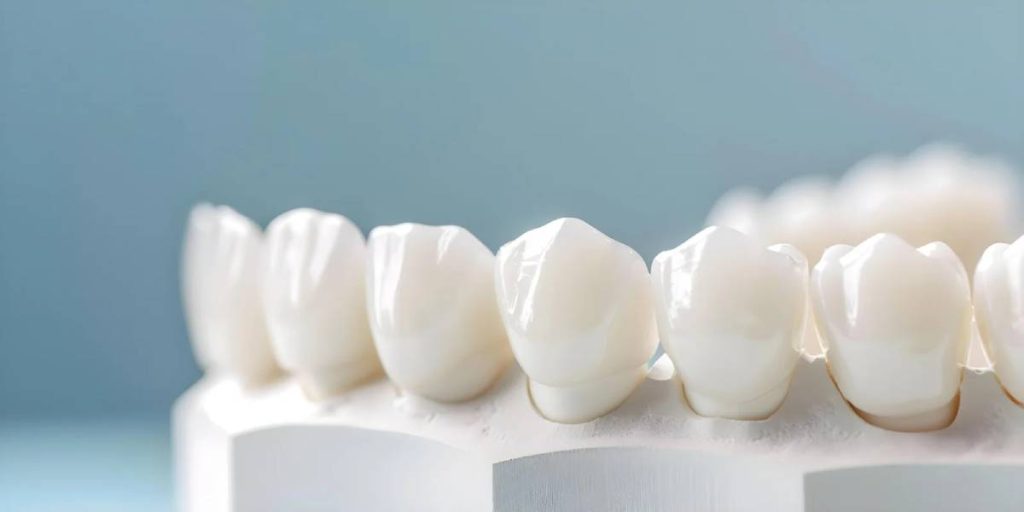
A properly fitted dental crown should protect your tooth, restore function, and blend seamlessly with your smile. But when a crown doesn’t fit correctly, especially when it extends beyond the natural tooth margin, it can lead to serious oral health issues. This condition, known as an overhanging margin, is more common than many patients realize.
An overhanging dental crown can trap bacteria, irritate your gums, and eventually compromise the health of the surrounding teeth and bone. In this article, we’ll explore the causes, signs and symptoms, risks, and treatment options for overhanging crowns. Understanding these factors is essential for protecting your long-term oral health and avoiding complications.
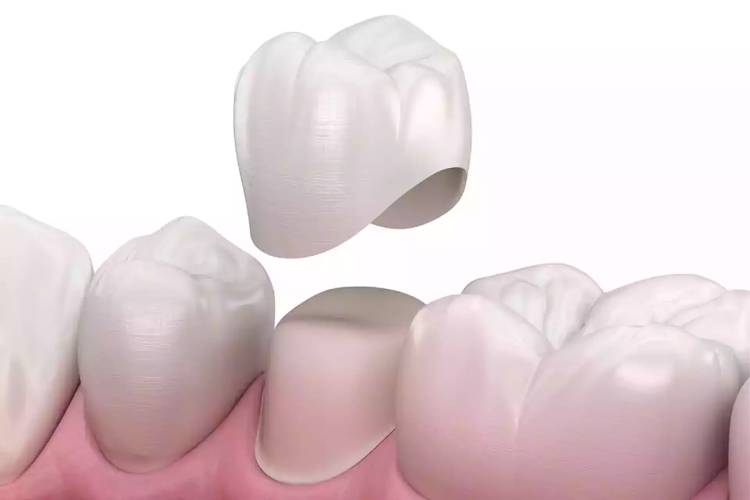
What Is an Overhanging Dental Crown?
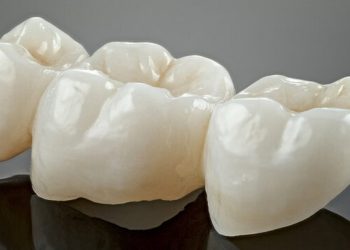
An overhanging crown occurs when the edge of a crown extends beyond the natural contour of the tooth. Ideally, a crown should have smooth, flush margins that align precisely with the tooth structure. This ensures proper sealing and prevents bacteria from entering.
When the crown margin is not properly adapted, it creates a ledge where food debris and bacteria accumulate. This disrupts Marginal Integrity and increases the risk of inflammation and decay. In modern restorative dentistry, achieving precise margins is critical for both function and aesthetics.
Causes of Overhanging Crown Margins
Several clinical and technical factors can lead to crown margin problems. Understanding these causes helps patients appreciate why precision is so important during treatment.
Poor Crown Design and Lab Errors
Dental crowns are custom-made in a lab, and even small inaccuracies in the design process can result in a bad fit. Errors in impression taking, digital scanning, or fabrication can produce a crown that doesn’t align correctly with the tooth.
When crown margin design is flawed, the final restoration may extend beyond the tooth surface. This leads to an overhanging dental crown that compromises both hygiene and comfort. Skilled lab communication and high-quality materials are essential to avoid this issue.
Improper Placement During Cementation
The process of Cementation is crucial for securing the crown. If excess cement is not removed or the crown is not seated properly, it can create an overhang.
Even a well-designed crown can become an overhanging crown if placed incorrectly. This highlights the importance of a meticulous dental exam and precise technique during placement to ensure optimal results.
Subgingival Margin Challenges
Margins placed below the gum line, known as the subgingival margin, can be difficult to access and visualize. While sometimes necessary for aesthetic or structural reasons, these margins increase the risk of errors.
Subgingival crown margins are more prone to becoming an overhanging dental crown due to limited visibility and moisture control. Advanced techniques and careful planning are required to manage these cases successfully.
Signs and Symptoms of a Bad Crown Fit
Recognizing early symptoms can help prevent more serious complications. Many patients don’t realize they have a problem until discomfort or inflammation develops.
Gum Irritation and Bleeding
One of the earliest signs of an ill-fitting crown is gum inflammation. The overhang irritates the surrounding tissue, leading to redness, swelling, and bleeding.
This irritation is often linked to Gingivitis, especially when plaque accumulates around the crown margin. If left untreated, it can progress to more severe conditions.
Food Trapping and Discomfort
An overhanging crown creates a space where food particles easily get trapped. This not only causes discomfort but also makes cleaning more difficult.
Persistent food trapping can lead to bad breath, sensitivity, and increased bacterial activity. Patients often describe a feeling that “something is stuck” around the crown.
Bite Misalignment (Occlusion Issues)
A poorly fitted crown can also affect your bite, known as Occlusion. When the crown sits too high or unevenly, it can cause pressure and discomfort when chewing.
Over time, this imbalance may lead to jaw pain or uneven wear on other teeth, further complicating the situation.
Read more: “Types of Dental Crowns”
Risks and Complications
If left untreated, crown margin problems can lead to significant oral health issues. These complications often develop gradually but can have long-term consequences.
Plaque Buildup and Bacterial Growth
An overhang creates the perfect environment for Plaque Accumulation. The rough edge makes it difficult to clean effectively, allowing bacteria to thrive.
This bacterial buildup is a primary cause of many dental crown complications, including decay and gum disease.
Gingivitis and Periodontitis
As plaque accumulates, it can lead to gum inflammation and eventually Periodontitis. This condition affects the supporting structures of the teeth and can result in gum recession and bone loss.
An untreated overhanging dental crown significantly increases the risk of periodontal disease, making early intervention essential.
Bone Loss and Long-Term Damage
In advanced cases, chronic inflammation can lead to bone deterioration around the affected tooth. This compromises tooth stability and may require more extensive treatment.
What starts as a minor crown margin issue can evolve into a serious dental problem if not addressed promptly.
Read more: “How Long Should Your Crown Really Last?”
Diagnosis and Dental Evaluation
Diagnosing an overhanging dental crown requires a thorough clinical assessment. Dentists typically use visual examination, dental probes, and X-rays to detect irregular margins.
During a routine checkup with a family dentist, subtle signs such as gum inflammation or plaque retention may indicate a problem. Early detection allows for simpler and more conservative treatment options.
Treatment Options for Overhanging Crowns
Treatment depends on the severity of the overhang and the overall condition of the crown and tooth. Dentists aim to restore proper fit while preserving as much natural structure as possible.
Crown Reshaping or Polishing
In mild cases, the overhanging margin can be adjusted by smoothing or polishing the crown. This removes rough edges and improves hygiene access.
This conservative approach is often part of a minor emergency dental repair when discomfort arises suddenly.
Crown Replacement
If the crown is severely misaligned, replacement may be necessary. A new crown is fabricated with improved accuracy and fitted properly to eliminate the overhang.
Although this involves additional cost, it ensures long-term success and prevents recurring issues.
Deep Margin Elevation Technique
For complex cases involving deep margins, dentists may use Deep Margin Elevation. This technique raises the margin to a more accessible level, improving visibility and fit.
Deep margin elevation has become a valuable solution in modern dentistry, especially for challenging subgingival restorations.
Dealing with an Overhanging Dental Crown? We’re Here to Help!
At Smile Point Dental, our Oakville dentists use advanced techniques to diagnose and fix crown margin issues with precision and care. Don’t wait for discomfort or gum problems to worsen; book your appointment today and protect your smile with expert treatment!
Prevention Tips for Proper Crown Fit
Preventing crown margin problems starts with careful planning and professional expertise. Patients also play a role in maintaining their restorations.
Choosing an Experienced Dentist
Selecting a skilled provider is one of the most important factors. Experienced dentists use advanced tools and techniques to ensure accurate crown placement.
A trusted clinic like Smile Point Dental emphasizes precision and patient-centered care to minimize risks.
Importance of Precise Impressions
Accurate impressions or digital scans are essential for creating a well-fitting crown. Any distortion in this step can lead to an overhanging crown.
Modern digital technology has significantly improved the accuracy of crown fabrication.
Regular Dental Checkups
Routine visits allow your dentist to monitor the condition of your crown and detect early signs of problems. Preventive care is key to avoiding complications.
Regular checkups also help maintain overall oral health and ensure your restoration continues to function properly.
When to See a Dentist
If you experience persistent discomfort, gum bleeding, or food trapping around a crown, it’s important to seek professional care. These may be signs of an overhanging crown that requires attention.
In some cases, symptoms can escalate into a dental emergency, especially if infection or severe pain develops. Prompt evaluation ensures timely and effective treatment.
Patient Care & Professional Services
At Smile Point Dental, we provide comprehensive patient-focused dental services, including diagnostics, preventive care, and advanced restorative treatments. This article is intended for educational purposes only and should not replace a professional consultation. Every case is unique, and accurate diagnosis and treatment planning require a personalized clinical assessment by a qualified dental professional.
Read more: “Immediate Steps to Take When Losing Filling or Crown”
Final Word
An overhanging dental crown may seem like a minor issue, but it can lead to significant oral health problems if left untreated. From gum inflammation to bone loss, the risks highlight the importance of precision in crown placement and ongoing dental care.
By recognizing early symptoms, seeking timely treatment, and maintaining regular checkups, you can protect your smile and ensure your dental restorations last for years to come.
Clinical research published on PubMed Central confirms that overhanging restorations are strongly associated with increased plaque accumulation, periodontal inflammation, and even measurable changes in alveolar bone structure.
This evidence reinforces why early diagnosis and proper crown fit are essential, not just for comfort, but for preserving long-term oral and bone health.
FAQ
1. What happens if a dental crown has an overhang?
It can trap bacteria, cause gum inflammation, and increase the risk of decay and periodontal disease.
2. Can an overhanging crown be fixed without replacing it?
Yes, mild cases can often be corrected through polishing or reshaping.
3. Is an overhanging crown dangerous?
If untreated, it can lead to serious complications like gum disease and bone loss.
4. How much does it cost to fix a bad dental crown?
Costs vary depending on treatment, ranging from minor adjustments to full crown replacement.
Have you ever experienced discomfort or gum irritation from a dental crown? Share your questions, experiences, or tips in the comments below. Our dental team at Smile Point Dental is here to provide guidance and help you understand how to keep your crowns healthy and properly fitted!