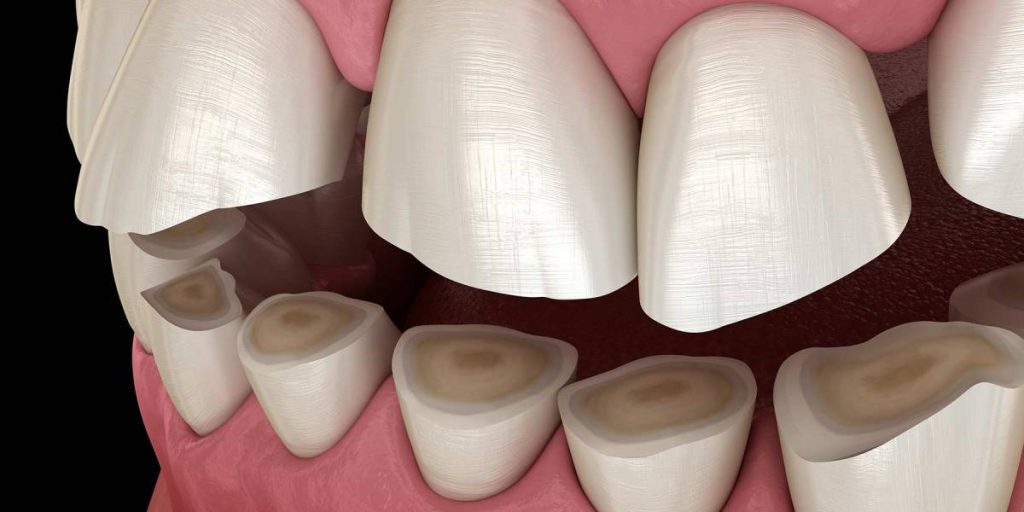
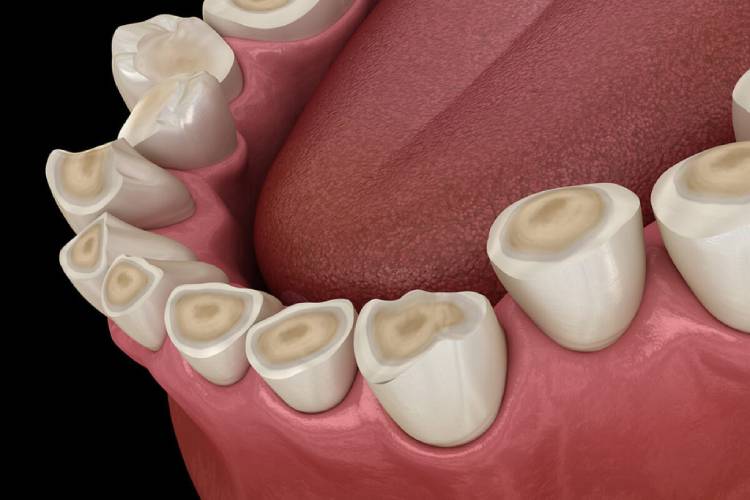
Teeth grinding, also known as bruxism, is a common condition that often occurs during sleep without you even realizing it. Over time, this repeated pressure can lead to enamel wear, jaw pain, headaches, and even long-term damage to your teeth and bite. Many patients only discover the problem during a routine dental exam, when signs of wear or stress become visible.
A night guard for grinding is one of the most effective ways to protect your teeth and reduce the impact of clenching. But with so many options available, from soft guards to custom-made solutions, choosing the right one can feel overwhelming. In this guide, we’ll break down everything you need to know so you can make a confident and informed decision.
What Is a Night Guard and How Does It Work
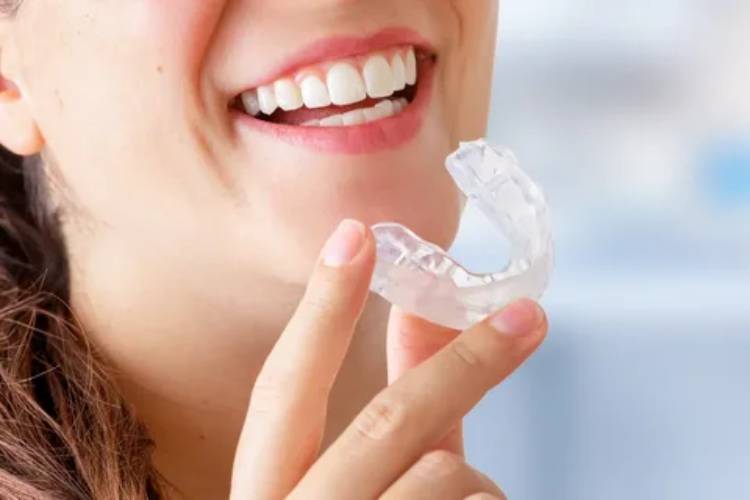
A night guard is a dental device worn over your teeth while you sleep. It acts as a protective barrier between the upper and lower teeth, reducing the damage caused by grinding and clenching. Modern dentistry focuses not only on treatment but also on prevention, and this simple device plays a key role in protecting long-term oral health.
Before exploring types and options, it’s important to understand how a night guard functions and who truly benefits from using one.
How a night guard protects your teeth
A night guard absorbs and redistributes the pressure created by grinding. Instead of your teeth’s direct force, the guard takes the impact, helping prevent enamel erosion, cracks, and sensitivity. Over time, this protection reduces the risk of complications like tooth decay or structural damage.
It also helps stabilize your bite alignment, which can reduce strain on the jaw and surrounding muscles.
Who needs a night guard for grinding
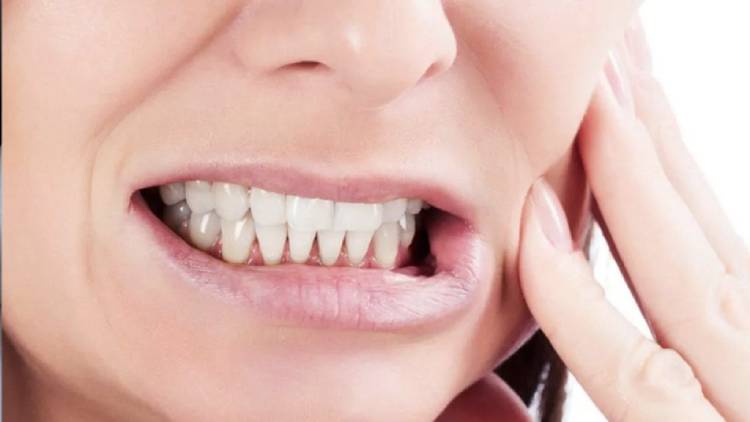
You may benefit from a night guard for grinding if you experience jaw tightness, morning headaches, worn-down teeth, or clicking sounds in your jaw. People dealing with stress or dental anxiety are also more prone to nighttime clenching.
Even if symptoms seem mild, early intervention can prevent more complex treatments later, such as restorative procedures or a dental filling.
Types of Night Guards for Grinding
Not all night guards are the same. They vary in material, thickness, and design depending on the severity of bruxism and patient comfort. Understanding these differences helps you choose the most suitable option for your needs. Let’s explore the main types and what each one offers.
Soft night guards
Soft guards are made from flexible materials and are ideal for mild cases of grinding. They are comfortable and easy to adapt to, making them a popular choice for first-time users.
However, they may wear out faster and are not always suitable for heavy clenching.
Hard night guards
Hard night guards are made from durable acrylic materials. They are designed for moderate to severe bruxism and provide stronger protection against intense pressure.
Although they may feel less comfortable initially, they offer long-term durability and better resistance to wear.
Dual laminate night guards
These guards combine a soft inner layer with a hard outer shell. This design provides both comfort and strength, making it suitable for patients with moderate grinding.
They are often recommended by a family dentist for patients who need balanced protection without sacrificing comfort.
Custom vs Over-the-Counter Night Guards
When choosing a night guard, one of the biggest decisions is whether to go with a custom-made option or a store-bought version. Each has its pros and limitations. Understanding these differences helps you avoid discomfort and ensure proper protection.
Benefits of custom dental night guards
Custom guards are designed specifically for your teeth using dental impressions. This precise fit improves comfort, effectiveness, and durability.
They also help maintain proper bite alignment, reducing strain on the TMJ and surrounding muscles. Clinics like Smilepoint Dental emphasize customized care to ensure long-term success and patient comfort.
Limitations of store-bought night guards
Over-the-counter guards are more affordable and accessible, but they often lack a precise fit. This can lead to discomfort, slipping, or reduced effectiveness.
While they may work for mild cases, they are not always suitable for long-term use or severe grinding.
Read more:”How to Choose the Best Toothbrush for Healthy Teeth”
How to Choose the Right Night Guard for Grinding
Selecting the right night guard depends on several factors, including the severity of grinding, comfort preferences, and material durability. A one-size-fits-all approach rarely works for oral health.
Let’s break down the most important considerations to guide your decision.
Based on the severity of teeth grinding
Mild grinding may only require a soft guard, while severe cases often need a hard or dual-layer guard for better protection. A professional assessment ensures you choose the right level of support.
Comfort and fit
Comfort plays a major role in whether you’ll consistently use your night guard. A poorly fitting device can cause irritation or disrupt sleep. Custom options provide the best balance between comfort and effectiveness.
Durability and material
Different materials offer varying levels of strength and longevity. Hard guards last longer, while soft guards may need frequent replacement.
Choosing the right material helps ensure your night guard for bruxism performs effectively over time.
Protect Your Teeth from Grinding, Starting Today
At Smile Point Dental, our dentists in Oakville provide custom night guards designed to relieve pressure, prevent damage, and improve your comfort while you sleep. If you’re experiencing symptoms of teeth grinding, don’t wait, contact us today for a professional evaluation and the right solution for your smile.
Night Guard Thickness Explained
Thickness is another critical factor that affects both comfort and protection. Many patients underestimate how important this detail is in managing bruxism. Understanding thickness levels helps you make a more informed choice.
Thin guards for mild grinding
Thin guards are lightweight and comfortable, making them ideal for mild grinding or occasional clenching. However, they provide limited protection against strong bite force.
Thick guards for severe bruxism
Thicker guards are designed to absorb heavy pressure and protect against significant wear. They may take some time to get used to, but they offer superior durability and protection.
Upper vs Lower Night Guard
Night guards can be worn on either the upper or lower teeth, depending on individual needs and comfort. Dentists determine placement based on bite alignment and specific symptoms.
Let’s explore the differences between these options.
Upper night guards
Upper guards are more commonly used and easier to adjust. They tend to stay in place better and are often preferred for general use.
Lower night guards
Lower guards may be recommended for patients who find upper guards uncomfortable or have specific bite concerns. Both options can be effective when properly fitted.
Benefits of Using a Night Guard for Grinding
Using a night guard consistently offers several long-term benefits. It’s not just about protecting teeth, it’s about improving overall quality of life.
Here’s what you can expect with regular use.
Prevents enamel damage
A night guard for bruxism protects the enamel from constant friction, reducing the risk of cracks, chips, and sensitivity.
Reduces jaw pain and TMJ issues
By minimizing pressure on the jaw, night guards help relieve tension and discomfort associated with TMJ disorders.
Improves sleep quality
Reducing clenching and muscle tension can lead to more restful and uninterrupted sleep.
Read more: “Dental Insurance Coverage in Ontario”
When to See a Dentist
While night guards are highly effective, they are not a replacement for professional care. Knowing when to seek help is essential for preventing complications.
Here are some signs that indicate it’s time to visit a dentist.
Signs of severe teeth grinding
Persistent jaw pain, headaches, tooth sensitivity, or visible damage may indicate advanced bruxism. In some cases, untreated grinding can lead to a dental emergency requiring immediate care.
When you need a custom night guard
If store-bought options are uncomfortable or ineffective, a custom solution is recommended. A professional evaluation ensures proper fit, function, and long-term protection.
Patient Care & Service Information
At Smilepoint Dental, we provide comprehensive dental services, including preventive care, restorative treatments, and customized solutions for conditions like bruxism. This content is intended for educational purposes only and should not replace professional dental advice, diagnosis, or treatment. Every patient’s needs are unique, and we recommend consulting a qualified dental professional for personalized care.
Conclusion
A night guard for grinding is a simple yet highly effective way to protect your teeth and reduce the impact of bruxism. Whether you choose a soft, hard, or custom option, the right device can help prevent long-term dental damage and improve overall comfort.
According to the NCBI review on bruxism, this condition can lead to tooth wear, fractures, and complications affecting dental structures, which is why protective devices like night guards (occlusal splints) are commonly recommended in clinical management strategies.
By combining proper night guard use with good oral hygiene habits and regular dental visits, you can significantly reduce the risks associated with teeth grinding and support long-term oral health. Overall, this approach helps maintain a healthier, more comfortable smile while minimizing damage caused by bruxism.
FAQ
1. What is a night guard for grinding?
A dental device worn during sleep to protect teeth from grinding and reduce pressure on the jaw.
2. Do night guards stop teeth grinding?
They don’t stop the habit but protect teeth and reduce its harmful effects.
3. Are store-bought night guards effective?
They can help mild cases but may not offer the same fit and durability as custom options.
4. How long does a night guard last?
Custom guards last longer, while over-the-counter options may need frequent replacement.
Have you noticed signs of teeth grinding like jaw pain, headaches, or worn teeth? Share your experience or questions in the comments below, your insight might help others find the right night guard solution.