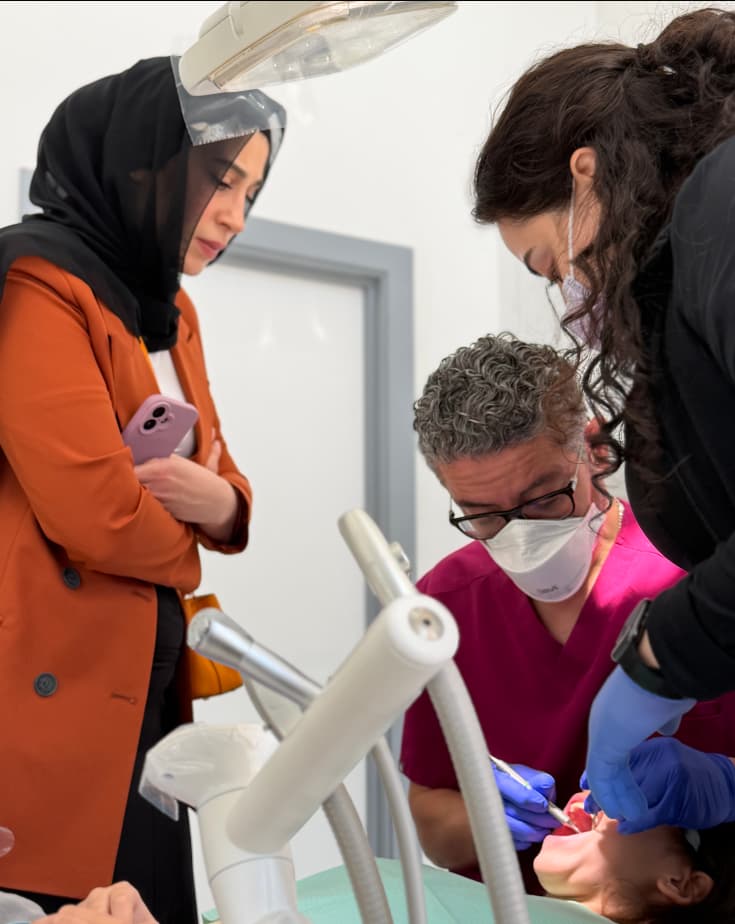
Smile Point Dental in Oakville incorporates the Canadian Dental Care Plan (CDCP) into our practice, helping to bridge the gap for those without private dental insurance by providing essential services at a manageable cost, thereby promoting better dental health community-wide.
What Exactly is the Canadian Dental Care Plan?
The Canadian Dental Care Plan (CDCP), a collaboration between the Canadian government and Sun Life, was established in 2024 to provide dental care to Canadians, focusing on those with incomes less than $90,000. This plan ensures that essential dental services are accessible to those without benefits from employment or private insurance, starting with the weakest groups and expanding to the broader population.
Enhance Your Smile with CDCP Benefits at Smile Point Dental
Brighten your smile with Smile Point Dental’s access to the Canadian Dental Care Plan! Offering comprehensive, affordable dental care in Oakville.
Smile Point Dental in Oakville offers quality dental services under the Canadian Dental Care Plan, ensuring accessible and affordable care. Our clinic is equipped with cutting-edge technology, and our experienced dentists tailor treatments to each patient’s specific needs. We emphasize comfort and efficiency in our care delivery, making Smile Point Dental the ideal choice for your CDCP provider. Opting for our services ensures a seamless, high-quality dental treatment experience.
What Services Are Covered by the Canadian Dental Care Plan (CDCP)?
Smile Point Dental offers services covered by the CDCP, which assists with the cost of many dental treatments. Some services and additional treatments require preauthorization. Your provider will suggest these, and the CDCP will assess your oral health history to approve coverage. Preapproved services will be available from November 2024. Examples of services that could be covered under the CDCP when recommended by an oral health provider include:
Pulpectomies (first step of a root canal treatment)
No
Procedures to reduce infection and relieve pain
No
Re-treatment of previously completed root canal treatment
Yes
Periodontal
Cleaning under the gumline
No
Treating abscesses
No
Bonding for mobile teeth
Yes
Post-surgical evaluations
Yes
Non-surgical gum disease management
No
Service Category 3: Major Services
Specific Services
Preauthorization Required
Restorative
Posts and post removal
No
Repairs to crowns and re-bonding of crowns and posts
No
Crowns
Yes
Cores (to support crowns)
Yes
Posts for crowns
Yes
Removable Prosthodontics
Complete dentures (standard and temporary)
No
Denture repairs, relines, and rebases
No
Placing lining in dentures to condition oral tissues
No
Complete immediate and overdentures
Yes
Partial dentures
Yes
Oral Surgery
Removal of teeth and roots
No
Surgical removal of tumors and cysts
No
Surgical incisions (including draining)
No
Treatments for broken jaw bones
No
Service Category 4: Anesthesia or Sedation
Specific Services
Preauthorization Required
Minimal sedation (conscious)
No
Moderate sedation
Yes
Deep sedation
Yes
General anesthesia
Yes
Make Your Smile Affordable with CDCP at Smile Point Dental
Join us at Smile Point Dental in Oakville to benefit from the Canadian Dental Care Plan. Call (647) 492-9329 or book your appointment online to discover how CDCP can help make your dental care more affordable. Don’t wait to take advantage of this opportunity for financial support.
To apply for the Canadian Dental Care Plan (CDCP), follow these steps. Seniors aged 65 and above can apply until June 2024. Starting June 27, individuals with a verified disability certificate and minors under 18 can apply. All other eligible residents can apply starting in early 2025.
Required Documents:
Full name and date of birth
Mailing and home addresses
Social Insurance Number
Last year’s tax return notice of assessment
Information on previous government dental health program participation
Note: For more information on how to apply, visit the:
Eligibility Criteria for the Canadian Dental Care Plan (CDCP)
To access the Canadian Dental Care Plan (CDCP) at Smile Point Dental, you must meet the following criteria:
No Dental Insurance: You must not have dental insurance through your job, a family member, or privately purchased plans.
Income Limit: Your adjusted family net income should be less than $90,000.
Canadian Residency: You must be a Canadian resident for tax purposes.
Tax Compliance: You must have filed your previous year’s tax return.
Meeting these criteria ensures you can benefit from the CDCP for affordable dental care. For more information, visit the Canadian Dental Care Plan page.
Understanding Your CDCP Coverage
The CDCP helps reduce dental care expenses based on your family’s net income, providing significant support for eligible individuals.
Coverage Breakdown:
Income under $70,000: Full 100% coverage at CDCP rates.
Income between $70,000 and $79,999: 60% covered, 40% co-payment required.
Income between $80,000 and $89,999: 40% covered, 60% co-payment required.
Co-Payments:
A co-payment is the part of the dental bill you pay directly. Here’s the breakdown:
Smile Point Dental is committed to providing exceptional care through the Canadian Dental Care Plan (CDCP). After CDCP approval, take advantage of our services, from preventive care to advanced treatments. Verify your CDCP status and covered services by contacting us. Book your appointment today and benefit from the comprehensive coverage offered by CDCP.
Your CDCP Coverage Questions Answered by Smile Point Dental Experts
At Smile Point Dental, we frequently receive questions about the Canadian Dental Care Plan (CDCP) and how it can help with dental costs. We’ve summarized the most common questions from our patients in Oakville. If your question isn’t answered here, please get in touch with us directly.
It’s crucial to continue with regular dental checkups at Smile Point Dental to catch and address any dental issues early, even if you don’t yet have CDCP coverage.
Smile Point Dental will coordinate your CDCP benefits with any existing government dental programs to ensure comprehensive coverage without duplication.
Applying for CDCP at Smile Point Dental can provide you with better-funded coverage, potentially covering costs that provincial programs might not fully cover.
Discuss your financial situation with Smile Point Dental. They may offer payment plans or direct you to other assistance programs to help manage costs.
No, CDCP is for those without dental insurance. If you have coverage through work, school, or other organizations, you are not eligible for CDCP at Smile Point Dental.
CDCP is not intended to replace existing workplace dental benefits. Smile Point Dental recommends reviewing your current coverage before making any decisions.
CDCP provides standardized coverage with income-based co-payments. Discuss any potential extra costs with Smile Point Dental before starting treatment.
CDCP covers a range of services, including preventive, diagnostic, restorative, and surgical treatments. Contact Smile Point Dental for specific coverage details.
You can renew your application online through your My Service Canada Account (MSCA). You may also receive a renewal form in the mail that you can fill out and return.