
Tooth sensitivity to cold water is a common issue that can result from several underlying conditions. Those issues are usually caused by enamel erosion or gum recession, and the solution is different from person to person. But in most cases, dental fillings are the best option.
In this article, our experts at Smile Point Dental will thoroughly analyze the various causes of tooth sensitivity, along with effective solutions and practical tips that can help anyone.
What Causes Tooth Sensitivity to Cold Water?
Before we dive into the topic, it’s important to note that cold water is just an example used to demonstrate tooth sensitivity. This is mainly because many different types of foods and drinks can trigger tooth sensitivity, such as ice cream, iced coffee, or other cold beverages. To identify the main cause of tooth sensitivity, be aware that even a tooth without visible damage might react to temperature changes, often due to early enamel wear or mild gum recession. However, consistent and persistent pain is not normal and usually indicates a more serious underlying issue.
Enamel Erosion and Its Impact
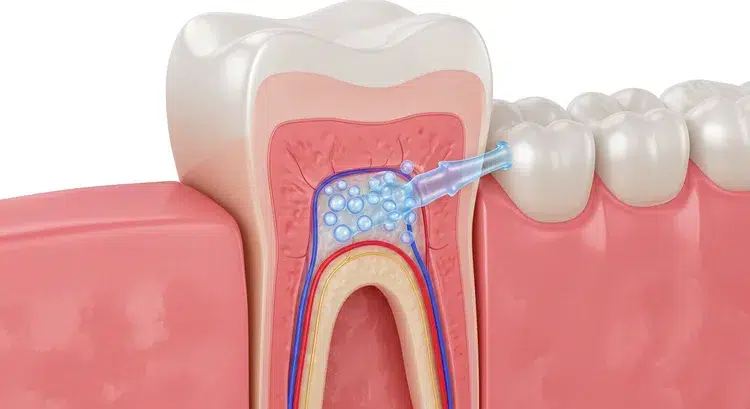
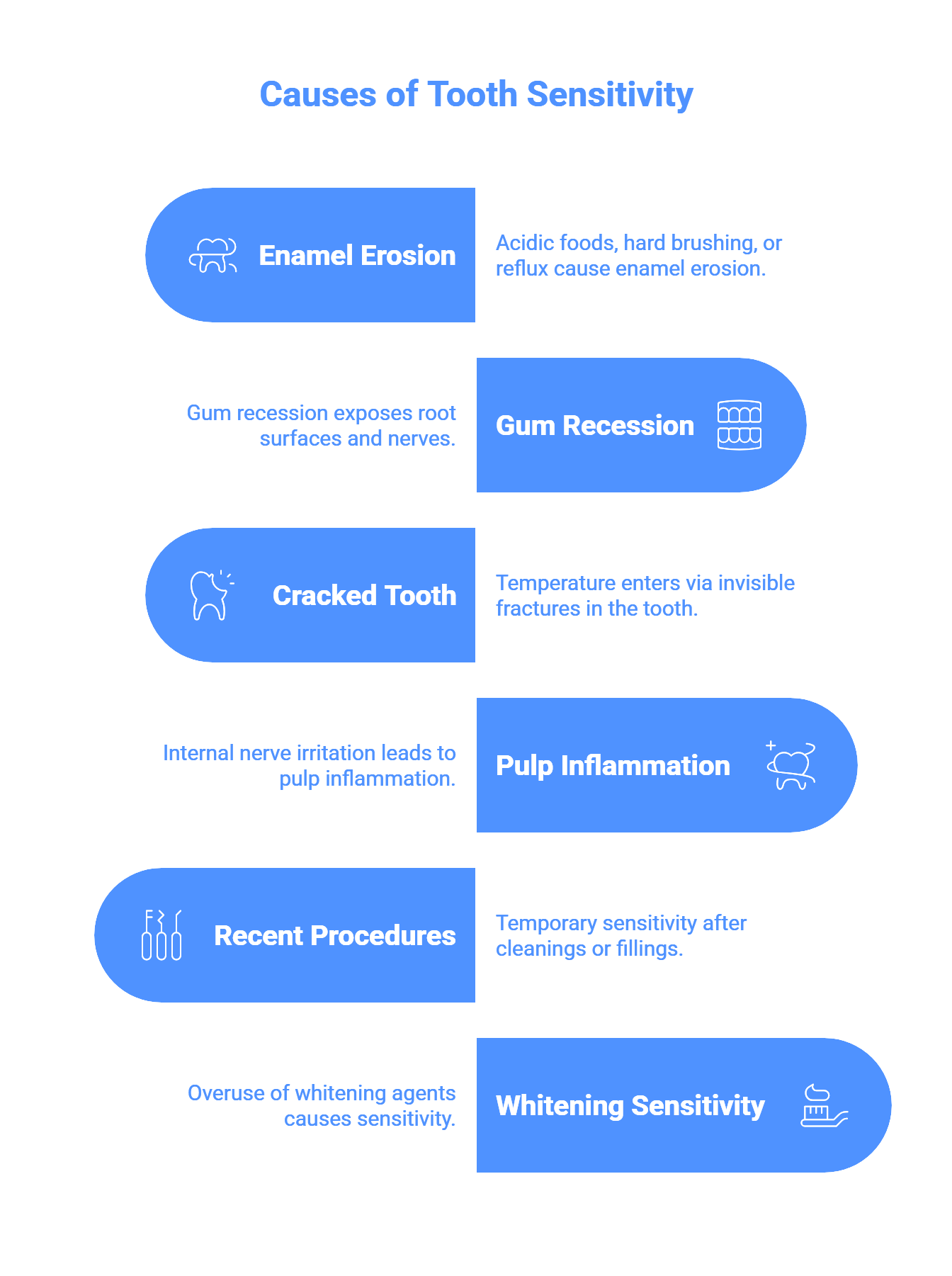
Enamel is arguably the most important part of the human tooth because it acts as a protective outer layer that shields the vulnerable parts of the tooth from damage and decay. Once this part of the tooth thins, cold beverages can reach the dentin underneath.
Gum Recession and Exposed Roots
Like other gum issues, such as various gum diseases, gum recession can also lead to sensitive teeth.
Gum recession is one of the most common causes of cold sensitivity, if not the most common, especially in adults over 35.
Gum recession doesn’t only happen because of infections or poor hygiene, but also because, over time, gum tissue gradually pulls away from the tooth, exposing parts that were previously covered, which can cause the sharp pain some people feel when they drink cold water.
For patients with advanced gum recession, specialized periodontal treatment may be necessary to restore coverage and protect the root surface.
Fractured Teeth
A crack can extend into the dentin or pulp, allowing cold water to reach nerve endings, even if the enamel is completely healthy and not worn down.
Even hairline cracks can lead to significant discomfort and should be evaluated quickly. Our clinic offers emergency cracked tooth repair for these cases.
Dental Nerve Inflammation
Inflammation within the pulp can lead to heightened sensitivity to temperature, even if the outer tooth appears intact and healthy.
This dental issue is also known as Pulpitis, which is also quite common, just like other causes.
If the nerve inside the tooth becomes inflamed or infected, endodontic care such as root canal therapy may be required to eliminate the pain and preserve the tooth.
Common Triggers for Tooth Sensitivity
Typically, the most frequent causes of tooth sensitivity are hot or cold foods and beverages, as well as acidic ones, which many people encounter.
These foods and beverages not only indicate the presence of sensitive teeth but may also exacerbate your tooth sensitivity.
Now it’s time to examine these common triggers in more detail:
Hot and Cold Foods
As we mentioned throughout the article, the most frequent sensitivity trigger is primarily cold water. Additionally, we must note that even hot foods or drinks can also trigger tooth sensitivity due to a shift in temperature.
Acidic Foods and Beverages
Acidic foods and drinks can increase tooth sensitivity through two distinct mechanisms, resulting in stronger reactions from the teeth.
Acidic foods and beverages not only cause pain when consumed, but they also gradually wear down enamel.
The prime examples of acidic foods and beverages are:
- Citrus Fruits
- Fruit Juices
- Cola-based sodas or even diet sodas
- Pickled Foods
- Tomato-Based Products
- Alcoholic Beverages
Teeth Whitening Products and Overuse
Whitening treatments (even the professional ones) can sometimes worsen tooth sensitivity, particularly if enamel erosion or gum recession is already present. According to Smile Point Dental, when enamel has worn away, the darker dentin becomes more exposed, which can make whitening results uneven and cause added discomfort.
For more details on why professional whitening may sometimes fail or trigger sensitivity and how to address it, read our full guide on why teeth whitening sometimes doesn’t work.

How to Relieve and Prevent Tooth Sensitivity
The good news is that tooth sensitivity can often be treated and managed effectively, but it depends on proper treatment and medical attention. Preventive measures and good dental habits are essential.
Toothbrush for Sensitive Teeth
Using special toothbrushes that are designed for people with sensitive teeth is a key element in curing sensitive teeth and also preventing them from getting worse.
These toothbrushes contain ingredients such as potassium nitrate or stannous fluoride, which help block nerve signals or strengthen the enamel that has been worn down gradually.
Using a Softer Toothbrush
The old-school, hard-bristled toothbrushes that most people use can put anyone at risk of tooth sensitivity, especially if they have the habit of brushing too hard.
Hard-bristled toothbrushes may contribute to gradual enamel wear or mechanical irritation of the gumline, even if your brushing technique is ok.
With that being said, we advise nearly everyone to use a more gentle toothbrush, especially people with sensitive teeth.
Proper Brushing Technique
Even with the right toothbrush, poor brushing technique can trigger teeth sensitivity. Brushing too hard can cause gum recession and root exposure, which we talked about at the beginning of the article.
According to Healthline, the proper way to brush your teeth is:
“Brush your teeth, place a soft‑bristled brush at a 45‑degree angle alongside your gums, and move the brush back and forth using short strokes. Use gentle pressure to avoid hurting or scratching your gums.”
Avoiding acidic foods and drinks
We highlighted the potential damage caused by acidic foods and drinks throughout the entire article because all dentists recommend their patients avoid them at all costs. However, since we can’t tell everyone to avoid acidic foods and drinks completely, we suggest that rinsing your mouth with water right after consuming them is the key.
Fluoride Treatments
Fluoride treatments provided by dentists are applied as gel, varnish, or foam, and the primary purpose of these treatments is to strengthen the weakened enamel by remineralization.
Enjoy Cold Water Again by Reaching out to Smile Point Dental
At Smile Point Dental, we specialize in senior dental care and offer personalized teeth sensitivity solutions tailored to your health, comfort, and budget.
Not all treatments are equal. Here’s a comparison of at-home care versus in-office solutions to help you understand what might work best depending on your level of sensitivity:
At Home vs. Professional Treatments for Sensitive Teeth
| Treatment Type | Method | Effectiveness | Best Used For |
| Desensitizing Toothpaste | Daily use with a soft toothbrush | Moderate (gradual relief) | Mild sensitivity from enamel wear |
| Fluoride Mouthwash | Over-the-counter daily rinse | Mild to moderate | Daily enamel support and early-stage sensitivity |
| Diet Adjustment | Avoid acidic foods, rinse with water | Supportive, not curative | Preventing further enamel erosion |
| Fluoride Varnish | Applied professionally in-office | Strong | Localized sensitivity from exposed dentin |
| Dental Bonding | Resin applied to exposed areas | High, immediate | Cold pain due to root exposure |
| Root Canal | Removal of infected pulp | Permanent resolution | Deep nerve pain or infection |
When to See a Dentist for Tooth Sensitivity
As we said, healthy teeth can also be sensitive to extreme temperatures since it’s completely natural. So, keep in mind that mild and non-critical sensitivity is normal.
But if you have sensitive teeth and the likely causes are gum recession or enamel erosion, you can tell by feeling pain in one tooth whenever you drink something cold.
Other signs of severe sensitivity are feeling more pain when chewing or biting foods.
Keep in mind that tooth sensitivity can be a sign of many different dental issues that you may not be aware of, such as tooth decay, fractured teeth, or even gum disease.
That’s why we recommend scheduling a dental appointment, as examining your teeth can help cure tooth sensitivity and other dental issues that may worsen over time.
Read more: best teeth whitening methods
Stay Confident With Proper Care for Tooth Sensitivity to Cold Water
Tooth sensitivity to cold water is a common yet manageable condition, often caused by enamel erosion, gum recession, or other underlying dental concerns. Recognizing the symptoms early and adjusting your oral care habits can significantly reduce discomfort.
If you’re experiencing persistent sensitivity, our best dental team in Oakville is here to help. Book an appointment today to receive personalized care and lasting relief, protecting your long-term oral health.
FAQ
This section addresses some of the most common concerns patients have, from the causes of discomfort to whether it may require a root canal. If you’re unsure whether your symptoms need treatment, these answers will help guide your next steps.
-
How do you fix cold, sensitive teeth?
In the case of tooth sensitivity, the variety of treatments is extensive, as the cause can vary from person to person. For most patients, the normal procedure of applying fluoride varnishes alongside the teaching of proper brushing techniques with soft toothbrushes resolves the issue. However, if the sensitivity is more severe, mainly due to gum recession, dental bonding or gum grafting may be advised.
-
Why are my teeth becoming sensitive to cold water?
The most common reasons behind sensitivity to cold water are enamel erosion and gum recession.
-
Does tooth sensitivity to cold always mean a root canal?
No, the sensitivity doesn’t mean that you need a root canal. However, if the pain is persistent, you must visit a dentist as soon as possible because that could be a sign of infection inside the tooth’s pulp, which is a condition that requires root canal therapy.
Learn more about when emergency root canal therapy is the right solution.
َDo everyone a favor by sharing your tooth sensitivity experience with us right in the comment section. You can also ask your questions in the comments below.