If you wake up tired, snore loudly, or stop breathing during sleep, you are not alone. Sleep apnea is more common than most people think, and the good news is it is very treatable. At Smile Point Dental, we help patients find the right solution every day. This guide covers everything you need to know.
What Is Sleep Apnea?
Sleep apnea is a condition where your breathing repeatedly stops and starts during sleep, sometimes dozens of times per hour, without you ever knowing it is happening. Your brain wakes you just enough each time to restore breathing, which is why people with sleep apnea feel exhausted no matter how many hours they spend in bed.
According to the American Academy of Sleep Medicine, roughly 30 million adults in the United States have sleep apnea, and most of them have never been diagnosed. If you wake up tired, snore loudly, or feel foggy during the day, it may be worth finding out why.
What is Obstructive Sleep Apnea (OSA)?
Obstructive sleep apnea is the most common form of sleep apnea, and it happens when the muscles at the back of your throat relax too much during sleep. When those muscles collapse, your airway becomes partially or fully blocked, which forces your body to briefly wake up and reopen it. This cycle can repeat itself dozens of times every hour without you ever remembering it.
OSA can affect anyone, but it is more common in people who are overweight, have a larger neck size, or have a naturally narrow airway. At Smile Point Dental, most of the patients we see for sleep concerns have obstructive sleep apnea, which is why the treatment options in this guide are focused primarily on OSA.
Signs of Sleep Apnea
Most people do not realize they have sleep apnea because the most obvious symptoms happen while they are asleep. It is often a partner, roommate, or family member who notices something is wrong first. The signs to watch for include:
- Loud or frequent snoring
- Waking up gasping or choking
- Dry mouth or sore throat in the morning
- Morning headaches
- Feeling tired and unrefreshed after a full night of sleep
- Difficulty concentrating or remembering things during the day
- Irritability or mood changes
Risks of Untreated Sleep Apnea
Sleep apnea is not just a sleep problem. When your breathing stops repeatedly throughout the night, your body is under real physical stress, and over time, that stress takes a serious toll. Untreated sleep apnea has been linked to:
- High blood pressure
- Heart disease and irregular heartbeat
- Stroke
- Type 2 diabetes
- Weight gain
- A significantly higher risk of accidents caused by daytime drowsiness
At Smile Point Dental, we take sleep apnea seriously because the consequences of leaving it untreated go far beyond feeling tired. The earlier it is identified and treated, the better the outcomes for your overall health, not just your sleep.
CPAP Therapy: The Most Common Sleep Apnea Treatment
CPAP, which stands for Continuous Positive Airway Pressure, is the most widely prescribed treatment for obstructive sleep apnea. It works by delivering a steady stream of pressurized air through a mask you wear over your nose or mouth while you sleep. That constant airflow acts like a gentle splint, keeping your airway open so your breathing never stops.
For many patients, CPAP is highly effective. When used consistently, it eliminates apnea episodes, reduces snoring, and leads to a dramatic improvement in sleep quality and daytime energy. It is often the first option a doctor will recommend, particularly for moderate to severe cases of obstructive sleep apnea.
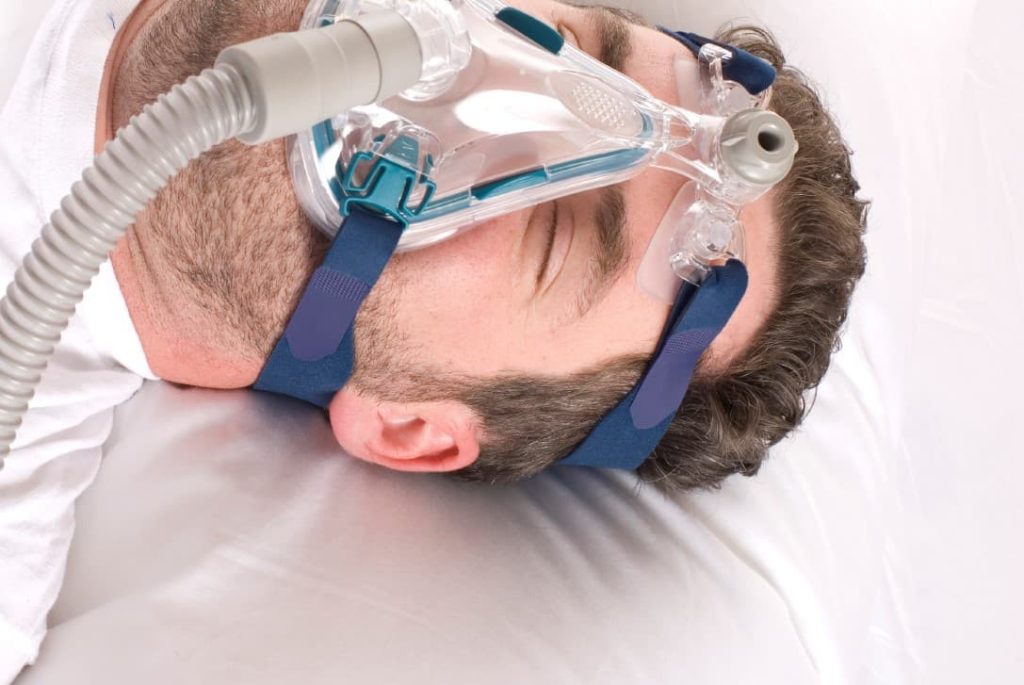
That said, CPAP is not the right fit for everyone. Many patients find the mask uncomfortable, struggle with the noise of the machine, or simply find it difficult to sleep with something covering their face every night. Studies show that a significant number of people prescribed CPAP stop using it within the first year. If that sounds familiar, it is important to know that CPAP is not your only option, and the rest of this guide covers the alternatives that may work better for you.
Sleep Apnea Treatment Without CPAP
CPAP is effective, but it is not the only way to treat sleep apnea, and for many patients, it is not the most realistic long-term solution. If you have tried CPAP and struggled with it, or if you are looking for alternatives before committing to a machine, you are not out of options. There are several proven treatments available today that do not involve a mask or a bedside device.
At Smile Point Dental, we understand that the best treatment is the one you will actually use consistently. The following sections walk through each non-CPAP option available, how it works, and who it tends to work best for, so you can have an informed conversation with your provider about what makes sense for your situation.
Oral Appliance Therapy
Oral appliance therapy uses a custom-fitted dental device worn in your mouth while you sleep. It works by gently repositioning your lower jaw slightly forward, which keeps your airway open and prevents the collapse that causes apnea episodes. It is small, quiet, and requires no machine or mask, making it a popular choice for patients with mild to moderate sleep apnea or those who cannot tolerate CPAP.
Weight Loss and Lifestyle Changes
For some patients, particularly those with mild sleep apnea, making changes to daily habits can meaningfully reduce symptoms and, in some cases, eliminate them entirely. Excess weight around the neck and throat puts pressure on the airway during sleep, so even a modest reduction in body weight can make a noticeable difference.
Sleeping on your side instead of your back, reducing alcohol consumption, especially in the evening, and quitting smoking are all changes that directly affect how well your airway stays open at night. These adjustments work best as part of a broader treatment plan rather than a standalone solution.

Myofunctional therapy
Myofunctional therapy is a series of exercises that target the muscles of the tongue, mouth, and throat. When these muscles are weak or positioned incorrectly, they are more likely to collapse during sleep and block the airway. The exercises work by retraining those muscles to maintain a better resting position, which helps keep the airway open throughout the night.
Research shows that myofunctional therapy can reduce the severity of sleep apnea by strengthening the tissues that contribute to airway collapse. It is often used alongside other treatments like oral appliance therapy rather than as a standalone solution, and it can be particularly effective for children whose airway and jaw are still developing.
Surgery
Surgery for sleep apnea is typically considered when other treatments have not worked or when there is a specific physical reason the airway is being blocked, such as enlarged tonsils, a deviated septum, or excess tissue at the back of the throat. The goal of any surgical approach is to remove or reposition whatever is causing the obstruction so air can flow freely during sleep.
There are several types of surgery available depending on the cause and severity of the condition. Some procedures target the soft tissue in the throat, others address the jaw and bone structure, and newer options like Inspire therapy involve a small implant that stimulates the airway muscles to stay open during sleep. Surgery can be highly effective for the right candidate, but it is generally recommended only after non-invasive options like oral appliance therapy or CPAP have been explored first.
Benefits of Sleep Apnea Treatment
Getting treatment for sleep apnea affects your health in ways that go far beyond a better night of sleep. Most patients notice improvements within the first few weeks, and the long-term benefits are significant.
What most patients notice first:
- Waking up feeling actually rested
- More energy and less daytime fatigue
- Improved concentration and memory
- Better mood and reduced irritability
- Less or no snoring reported by their partner
Long-term health benefits:
| Health Area | How Treatment Helps |
|---|
| Heart health | Reduces strain on the cardiovascular system and lowers the risk of heart disease |
| Blood pressure | Consistent treatment is linked to measurable reductions in high blood pressure |
| Stroke risk | Treating sleep apnea significantly lowers the risk of stroke |
| Blood sugar | Better sleep improves insulin sensitivity and supports type 2 diabetes management |
| Mental health | Reduces symptoms of anxiety and depression associated with chronic poor sleep |
| Accident risk | Eliminating daytime drowsiness makes driving and daily tasks significantly safer |
Is snoring keeping you up at night?
Breathe better, sleep better. Book your consultation today.
FAQ
Why Do People Snore?
Snoring happens when airflow through the mouth and throat is partially blocked during sleep, causing the surrounding tissues to vibrate. The narrower the airway, the louder the snore. It can be caused by the position you sleep in, the anatomy of your mouth and throat, nasal congestion, or relaxed throat muscles due to alcohol or deep sleep.
Can You Have Sleep Apnea Without Snoring?
Yes. While snoring is one of the most common signs of sleep apnea, not everyone who has it snores. Some people experience silent apnea, where breathing stops and restarts without any sound. This is one of the reasons sleep apnea often goes undiagnosed for years. If you have other symptoms like morning headaches, daytime fatigue, or difficulty concentrating, it is worth getting evaluated even if you do not snore.
What Is an Oral Appliance for Sleep Apnea?
An oral appliance is a custom-fitted device made by a dentist that you wear in your mouth while you sleep. It works by holding your lower jaw in a slightly forward position, which keeps your airway open and prevents the collapse that causes apnea episodes. It looks similar to a mouthguard and is a well-established alternative to CPAP for patients with mild to moderate obstructive sleep apnea.
How Does the Airway Become Blocked While Sleeping?
When you fall asleep, the muscles throughout your body relax, including the muscles that support your tongue, soft palate, and throat. In people with sleep apnea, these muscles relax too much, and the soft tissue at the back of the throat collapses inward, partially or fully blocking the airway. The blockage stops airflow until your brain triggers a brief awakening to reopen it, and this cycle can repeat itself many times throughout the night.
Is Dental Sleep Apnea Treatment Effective?
Yes, for the right patients, it is highly effective. Clinical research consistently shows that oral appliance therapy reduces apnea episodes, improves oxygen levels during sleep, and leads to meaningful improvements in daytime energy and quality of life. It is recommended by the American Academy of Sleep Medicine as a first-line treatment for mild to moderate obstructive sleep apnea and as an alternative for patients who cannot tolerate CPAP. Results vary depending on the individual, which is why a proper assessment before starting treatment is important.