
There are a few dental problems that can make your heart sink faster than feeling a sharp edge or a missing piece on your tooth. Whether it happens while biting something hard, during sports, or even from grinding your teeth at night, a chip or crack can appear without warning. The first thought that often comes to mind is panic, and then, how is repairing a chipped tooth?
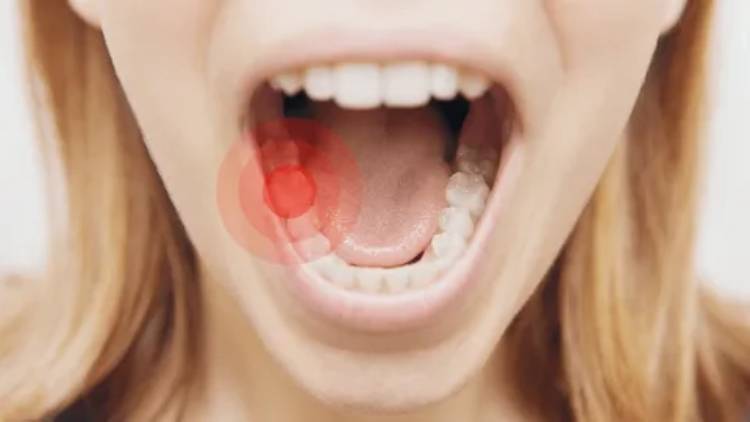
A chipped tooth may seem minor at first glance, but it’s more than a cosmetic issue. Damage to the enamel can expose the sensitive layers underneath, leaving you vulnerable to pain, sensitivity, and infection. If you’re looking for emergency cracked tooth repair, understanding what to do immediately and the best professional treatments available can help save your tooth and your smile. This guide provides comprehensive information on repairing a chipped tooth, from initial home care to advanced dental options available in modern clinics.
Read more: “Dental Treatment Options for Cracked Tooth Repair”
Why a Chipped Tooth Needs Prompt Attention
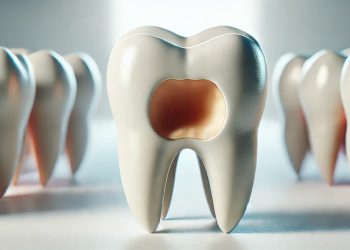
Repairing a chipped tooth or cracked tooth can happen to anyone, but what matters most is how quickly you respond. The outer enamel is the hardest substance in the human body, but once it’s damaged, it can’t repair itself naturally. When that protective layer breaks, the tooth pulp and nerve beneath become exposed to bacteria. Without prompt care, this can lead to decay, infection, or even the need for a root canal.
According to dental experts from the NHS, even small chips can cause long-term issues if left untreated. The sharp edge of a broken tooth can cut your tongue or cheek, and tiny cracks may widen from chewing or temperature changes.
Early treatment prevents more serious problems and often saves you time and money in the long run. Visiting a family dentist as soon as possible ensures that the damage is evaluated correctly and repaired before it worsens.
Read more: “ How to Choose a Family Dentist in Oakville”
Immediate First-Aid Steps You Can Take at Home
While you wait for your dental appointment, you can take simple yet effective steps to protect your tooth and manage any discomfort. These temporary measures help reduce your risk of complications and are an essential part of safely repairing a chipped tooth.
Rinse and Keep the Area Clean
Start by rinsing your mouth gently with warm water to remove food particles or debris. Avoid using mouthwash with alcohol, as it can irritate the exposed enamel or gum tissue. If your tooth pulp feels sensitive, rinse with salt water to help prevent infection.
Protect the Edge and Prevent Further Damage
If your broken tooth has a jagged edge, cover it with dental wax or sugar-free gum to prevent cuts on your tongue or cheek. Avoid biting on that side of your mouth until the dentist repairs it. This small step can make a big difference when preparing for urgent dental repair at a clinic.
Manage Pain and Sensitivity
For mild discomfort, take an over-the-counter pain reliever and apply a cold compress to the outside of your face if swelling occurs. Avoid extreme hot or cold foods. These first-aid actions not only ease the pain but also prevent additional damage while you arrange for emergency root canal treatment or another professional procedure if needed.
Professional Treatment Options at the Dentist
Modern dentistry offers several reliable solutions for repairing a chipped tooth, depending on the extent and severity of the damage. During your visit, the dentist will examine the affected area, take X-rays if necessary, and recommend the most suitable option for your case.
Composite Bonding for Minor Chips
If your broken tooth is small and doesn’t reach the nerve, dental bonding is usually the fastest and most cost-effective fix. The dentist applies a tooth-colored resin that blends naturally with your other teeth, shapes it to restore your smile, and hardens it using a special light. This treatment typically takes one appointment and can last several years with good oral hygiene and regular dental exams.

Veneers or Crown When the Damage Is More Extensive
For larger chips or deeper cracks that affect the visible part of the tooth, the dentist may recommend dental veneers or a dental crown.
A veneer is a thin layer of porcelain placed over the front of a tooth to restore its shape and appearance. It’s ideal for cosmetic and moderate structural issues.
On the other hand, a dental crown completely covers the entire tooth, providing protection and strength when the internal structure of the tooth has been compromised. Both options restore function and prevent further damage, making them excellent choices for long-term tooth repair.
Root Canal, Extraction, and Implant When Pulp or Root Is Involved
If the tooth pulp has been exposed or infected, a root canal may be necessary to remove the damaged tissue and relieve pain. Once the canal is cleaned and sealed, the dentist usually adds a dental crown for protection.
In cases where the tooth cannot be saved, tooth extraction may be the last option. After extraction, many patients opt for a dental implant, which serves as an artificial root topped with a realistic crown. Implants are a durable and natural-looking solution that restores full functionality to your bite.
How to Choose the Right Treatment and What to Expect
Choosing the correct option for repairing a chipped tooth depends on several factors. Your dentist will guide you through each step, but understanding these considerations can help you feel more confident about your care.
Factors That Influence Treatment Choice
The size and location of the chip, whether it’s a cracked tooth near the gum line or a broken tooth at the front, will determine the treatment plan. The dentist will also check for signs of nerve exposure or deep cracks that may require more complex procedures, such as a root canal.
The health of your gums also plays a role. If you have underlying issues, your dentist may recommend additional periodontal treatment before performing restorative work.
Cost, Timeline, and Durability of Each Option
The cost of repairing a chipped tooth varies depending on the complexity of the treatment.
- Dental bonding is generally affordable and a quick procedure.
- Veneers and crowns take longer but offer stronger, longer-lasting results.
- Implants are more expensive but can last a lifetime when properly maintained and cared for.
Discussing your options during dental exams allows your dentist to tailor the treatment plan to your specific needs, budget, and timeline.
Read more: “ How Often Should You Visit the Dentist in Oakville?”
Preventing Future Chips and Maintaining Results
After your tooth is repaired, it’s vital to protect your investment. Avoid chewing on complex objects such as ice, pencils, or popcorn kernels. Use a mouthguard if you grind your teeth at night or play sports.
Good oral hygiene is essential. Brush twice daily with a soft-bristled toothbrush, floss regularly, and schedule professional cleanings at least twice a year. Maintaining healthy gums through periodontics and routine care reduces the risk of damage and helps your dental work last longer.
Read more: “Tooth Abscess: Diagnosis and Treatment”
Ready to Restore Your Smile Today?
Don’t let a cracked or chipped tooth wait another day. At SmilePoint Dental in Toronto, our expert team specializes in emergency cracked tooth repair, from quick composite bonding to durable crowns and implants, all designed to bring back your comfort and confidence. Book your appointment today and let us help you smile without hesitation again.
SmilePoint Dental: Professional Dental Clinic in Toronto
When it comes to repairing a chipped tooth, expertise and trust matter. At SmilePoint Dental, a professional dental clinic in Oakville, patients receive personalized care for everything from urgent dental repair to advanced cosmetic and restorative procedures.
The team specializes in dental fillings, veneers, crowns, and implants, providing a comfortable experience for both minor and major treatments. Whether you need same-day bonding or comprehensive restorative work, SmilePoint Dental combines technology, skill, and compassion to ensure the best possible outcome for your smile.
Read more: “10 Different Types of Dental Fillings”
Protecting Your Smile Starts with Early Action
A chipped or cracked tooth can feel like a disaster, but with quick action and the proper dental care, it doesn’t have to be. Acting early prevents complications, saves the natural tooth, and maintains the health and strength of your smile.
If you notice a chip, don’t ignore it or attempt to repair it yourself. Schedule an appointment with your dentist for a proper evaluation. Whether it’s a minor bonding procedure or a more advanced root canal and crown, professional treatment ensures lasting results and peace of mind.
FAQ
1. Can a chipped or broken tooth heal by itself?
No. The enamel doesn’t regenerate naturally, so professional treatment is needed. A dentist can repair the damage using bonding, a crown, or another restoration method.
2. What should I eat if I have a chipped tooth?
Stick to soft foods, such as yogurt, soup, or mashed potatoes. Avoid biting hard or crunchy items until the tooth is repaired.
3. Is it okay to cover a sharp edge with chewing gum?
Yes, using sugar-free gum or dental wax can protect your tongue and cheek temporarily until your appointment.
Have you ever experienced a chipped or cracked tooth that required an emergency repair? Share your experience about repairing a chipped tooth in the comments below. Your story could help someone in Toronto handle their next dental emergency with confidence!