Vaping has become a popular alternative to smoking, often marketed as a healthier option. But when it comes to your smile, the side effects of vaping for teeth are usually overlooked. While e-cigarettes may spare you from smoke, the vapor still contains nicotine, flavorings, and other chemicals that can slowly damage your oral health.
From small changes in your gums to long-term enamel damage, these effects may start small but can build over time, leading to lasting damage. In this article, we’ll explore what really happens inside your mouth when you vape and the possible negative impacts on your dental health. If you notice signs mentioned here, visiting your dentist or a periodontist can help maintain and restore your oral health.
The Impact of Vaping on Your Oral Health

Vaping has become a popular alternative to smoking, but it’s not risk-free. While it may produce fewer harmful chemicals than traditional cigarettes, it still contains nicotine, flavorings, and other substances that can affect your mouth. From your teeth and gums to your tongue and breath, vaping can trigger changes you might not notice right away.
What Happens to Your Teeth and Gums When You Vape?
As mentioned earlier, E-cigarettes deliver nicotine, flavorings, and other chemicals in a vapor that can affect your teeth, gums, and overall oral health in several ways. This is why understanding the effects of vaping for teeth is essential if you want to protect your smile.
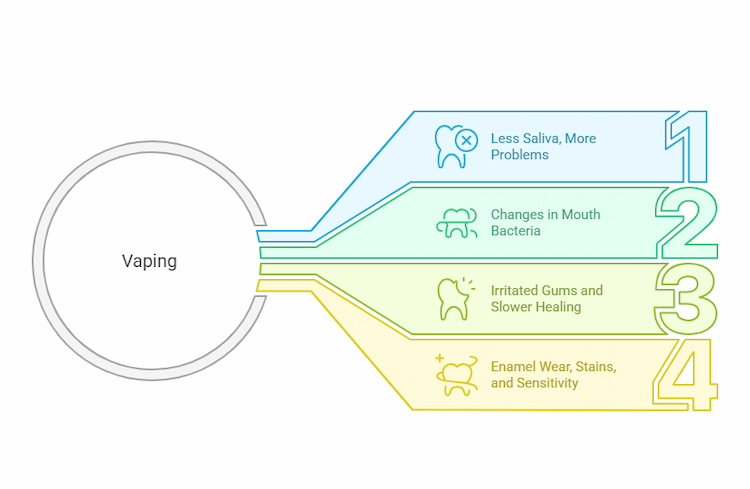
Less Saliva, More Problems
The vapor from e-cigarettes often contains nicotine and ingredients like propylene glycol, which can dry out your mouth. Saliva protects your teeth by washing away food particles and neutralizing acids. When saliva levels drop, your risk of cavities, gum problems, and bad breath goes up.
Changes in Your Mouth’s Bacteria
According to Science Advances, recent scientific research has shown that vaping can significantly alter the balance of bacteria in your mouth, promoting harmful species that may increase the risk of oral diseases. This shift, which is similar to what happens with smoking, shows why vaping for teeth can have long-term consequences like gum disease and tooth decay.
Irritated Gums and Slower Healing
Nicotine reduces blood flow to your gums, making it harder for them to heal from everyday wear and tear or from dental treatments. Over time, this can lead to gum recession and other periodontal issues.
Enamel Wear, Stains, and Sensitivity
The chemicals and flavorings in vape liquid can be acidic, which can weaken tooth enamel. This not only makes your teeth more sensitive but can also lead to staining over time.
Read more: Love coffee? Discover how to prevent teeth stains and get expert tips in our guide to teeth whitening for coffee drinkers.
Vaping and Gum Disease: The Connection
Gums are the foundation of a healthy smile, but vaping can slowly put them at risk. Nicotine, which is a common ingredient in most e-liquids, affects gum health in several ways:
- Reduced blood flow
- Increased inflammation
- Hidden warning signs
- Microbiome changes
But how does vaping actually lead to these gum issues?
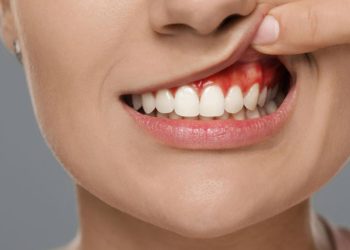
When it comes to vaping for teeth and gums, nicotine narrows blood vessels in the gums, limiting the oxygen and nutrients they need to stay healthy. Poor circulation also slows the healing process. The chemicals in vapor can irritate gum tissue, making it easier for plaque bacteria to cause swelling and infection. Over time, this can develop into gingivitis or progress to periodontitis.
Because nicotine reduces blood flow, symptoms like bleeding gums may be less noticeable in vapers, and this is not good news because it can delay diagnosis. Finally, studies have found that vaping can shift the types of bacteria in your mouth to those linked to gum disease.
Read more: Want to enjoy your wine without staining your teeth? Check out our guide for expert-recommended teeth whitening treatments for wine lovers.
Noticing Signs of Vaping-Related Damages?
Don’t wait for problems to get worse.
Whether you’re looking to quit vaping or manage its effects, at Smile Point Dental, our expert team offers personalised care and effective treatments to help restore your smile and protect your oral health.
How Vaping Contributes to Tooth Decay and Enamel Erosion
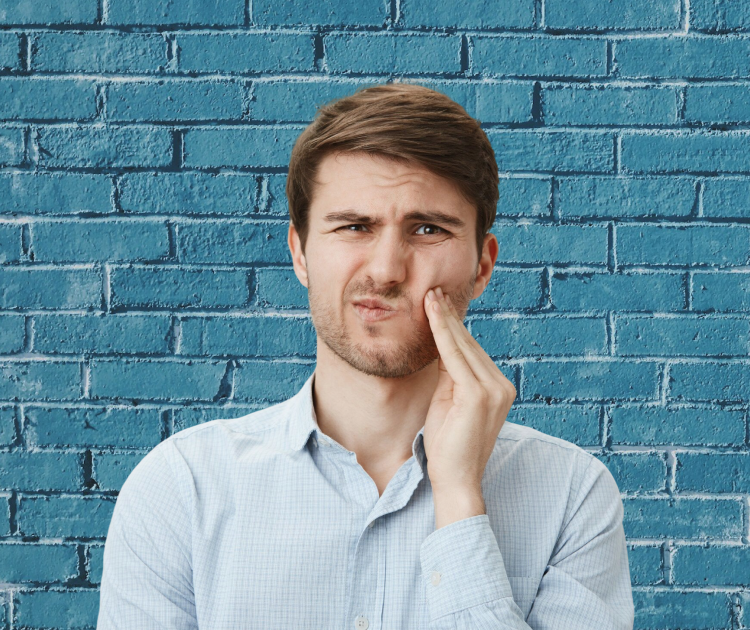
The truth is that it often starts with no obvious sign. Each time you take a puff, the vapor delivers a mix of nicotine, flavorings, and other chemicals into your mouth. When it comes to vaping for teeth, nicotine begins to dry out your saliva, and without enough saliva to wash away food particles, bacteria get the upper hand.
Those harmful bacteria feed on the sugars or sweeteners in some e-liquids or even on leftover food in your mouth. This leads to the production of acids. These acids stay longer than they should in a dry mouth, and unfortunately, slowly attack the protective enamel on your teeth.
Meanwhile, acidic flavorings soften the enamel’s surface. Once softened, it’s more vulnerable to being worn away by everyday chewing or brushing. The sticky residue from vapor contributes to the problem by clinging to enamel and providing bacteria with a place to grow.
Over time, this chain of events (dry mouth, increased bacteria, more acid, weakened enamel) can lead to cavities, sensitivity, and staining. It’s a gradual process, but once enamel is gone, it can’t grow back.
Read more: Nicotine is one of the reasons that teeth whitening won’t work. For learning about other factors, check out our blog.
Vaping and Dry Mouth: A Common Oral Issue
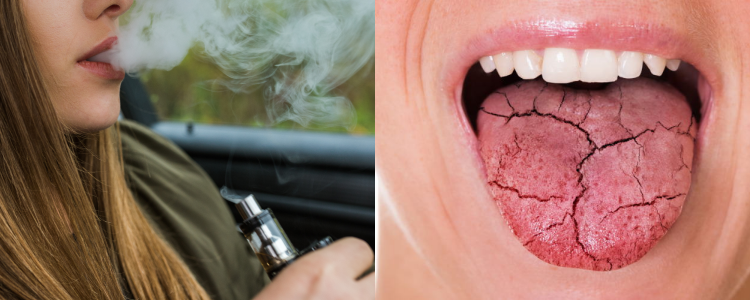
Sadly, there are different issues caused by vaping, and among them, dry mouth might not sound serious, but it’s one of the most common side effects of vaping, and it can set the stage for bigger dental problems.
When you vape, ingredients like nicotine and propylene glycol reduce your saliva flow. Saliva is your mouth’s built-in defense system. What does it do? It rinses away food particles, balances pH, and helps prevent tooth decay. Without enough of it:
- Bacteria multiply faster
- Acids stay on your teeth longer
- and your risk of cavities and gum issues increases
It can even get worse because dry mouth can also lead to some other overwhelming issues like persistent bad breath, a sticky or burning feeling in your mouth, and trouble tasting food properly.
How to fix it? Surely you should consult your dentist, but some steps include Hydrating often, chewing sugar-free gum, and avoiding overly sweet or acidic vape flavors can help. The best prevention is reducing or quitting vaping altogether.
Protect Your Smile by Limiting Vaping Habits
Vaping isn’t without risks, especially for your oral health. From gum disease and tooth decay to enamel erosion and persistent dry mouth, the threat of vaping for teeth can add up faster than you realize. The changes often start quietly, which makes regular dental checkups even more important if you vape. If quitting feels like a big step, focus on small habits: drink plenty of water, brush twice a day, floss daily, and limit sugary or acidic vape flavors.
Your oral health and smile play a crucial role in your overall well-being and confidence. At Smile Point Dental, our team as your best dentist in Oakville is committed to helping you protect and enhance them through comprehensive care from thorough dental exams and oral hygiene services to brightening your smile with expert teeth whitening.
FAQ
-
Does vaping cause dental issues?
Yes, early studies show vaping is linked to higher rates of cavities and gum disease, and can even alter your mouth’s bacterial balance compared to non-smokers.
-
Will my teeth get better if I quit vaping?
Generally, yes. Many vaping-related symptoms, like dry mouth, gum irritation, or bad breath, can improve over time if vaping stops, especially when combined with good dental care.
-
How do I protect my teeth while vaping?
Drink more water, brush twice daily with fluoride toothpaste, floss, and consider sugar-free gum to boost saliva production. Avoid sugary or highly acidic vape flavors, and don’t forget regular dental checkups.
-
How can a dentist tell if you vape?
Dentists can often spot signs such as dry mouth, gum redness or inflammation, subtle nicotine staining, sticky residue on teeth, and oral lesions.
Are you using e-cigarettes? Have you noticed any changes in your teeth or gums since you started vaping? Drop a comment below and join the conversation. Your insight could help others understand the real impact.