
When you think of teeth straightening, you probably picture braces, those metal bands and wires everyone had to wear as a teen. But times have changed, and now there’s a new player in the game: Invisalign. Both options promise a better smile, but which one’s the right fit for you? Let’s break down Invisalign vs. Braces, so you can make an informed choice without the confusion or lengthy decision-making process.
Invisalign vs Braces: What Are the Key Differences?
When it comes to dental braces vs Invisalign, it can be challenging to decide which treatment suits you best. Both are effective orthodontic treatments that help you achieve a straighter smile. While they share the same goal, aligning your teeth, the way they work, feel, and look is quite different. To help you decide which option best fits your lifestyle and dental needs, here’s a quick and simple comparison of Invisalign and braces.
| Feature | Invisalign | Braces |
| Appearance | Nearly invisible | Visible (metal or ceramic) |
| Comfort | Smooth plastic, less irritation | Can cause discomfort and irritation |
| Removability | Yes, removable trays | No, fixed to teeth |
| Treatment Duration | 12–18 months | 18-24+ months |
| Oral Hygiene | Easy to clean, just rinse and brush | More Challenging |
| Ideal For | Mild to moderate Cases | Complex cases |
| Cost | $6,000–$9,000 | $6,500–$8,500+ |
| Diet Restrictions | None | Avoid sticky, hard, or chewy foods |
| Checkups | Every 6–8 weeks | Every 4–6 weeks |
Watch this video to compare Invisalign vs. braces, including different types and their pros and cons.
Invisalign vs. Braces: Treatment Time
Invisalign usually takes 12 to 18 months and needs to be worn most of the day. Braces take a bit longer, around 18– to 24 months, but they work all the time. Invisalign is great for simpler cases, while braces are better for more complex ones. Many people get used to braces after a few months with help from their dentist.
Related article: How Long Does It Take for Invisalign to Close Gaps Between The Teeth?
Patient Experience:
“At first, I was overwhelmed by the idea of having braces for two years. But after a few months, I got used to the adjustments. My dentist explained the process and made me feel comfortable, so it wasn’t as bad as I thought.”
Invisalign vs Traditional Braces: Maintenance
According to Healthline, Invisalign is easier to clean since you can take the aligners out to eat and brush. It just needs rinsing and gentle brushing, no special tools. Braces need more care because food can get stuck in the brackets, and you’ll need tools like floss threaders to keep them clean. Plus, wires might need fixing if they come loose.
So, is Invisalign better than braces? To answer this question, you need to deeply understand how each treatment works and the factors to consider when choosing. Please read on to learn more.
What Is Invisalign?
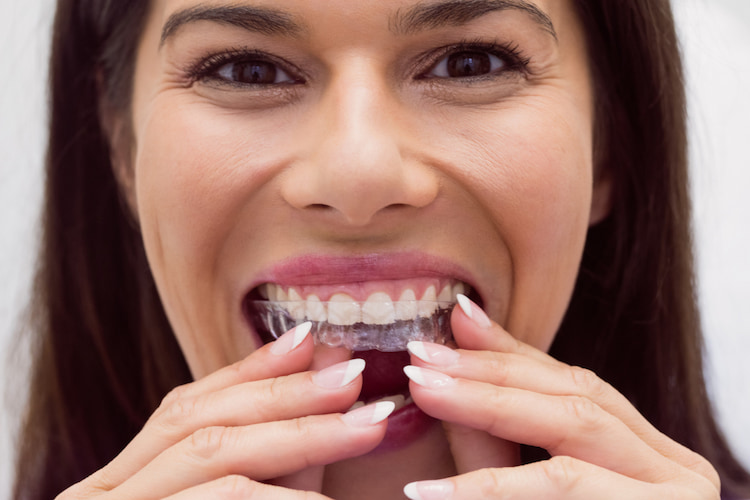
Invisalign is a modern orthodontic treatment that uses a series of removable clear aligners to gradually move your teeth into place. Made of smooth, BPA-free plastic, these trays are custom-fitted to your smile.
This system is ideal for mild to moderate crowding or spacing issues, and one of its biggest advantages is how discreet it is, most people won’t even notice you’re wearing them. Since they’re removable, they offer flexibility when eating or brushing your teeth.
Learn more about how Invisalign works by visiting this detailed guide: How Does Invisalign Work?

What Are Traditional Braces?
Traditional braces use a system of metal brackets and wires that are affixed to your teeth to gently guide them into the correct position over time. They’ve been around for decades, and for good reason: they’re extremely effective, especially for complex cases involving significant misalignment or bite correction.
Today’s braces are more customizable than ever, with options like ceramic brackets or even lingual braces (attached behind the teeth).

Suggested article: Top Benefits of Orthodontics: Why It’s More Than Just Straight Teeth
Now that you have a good idea of how both treatments work, let’s take a deeper dive into the specifics to help you make an even more informed decision between Invisalign vs. braces.
Factors to Consider When Choosing Invisalign vs. Braces
Everyone’s smile and lifestyle are different, so the “right” treatment depends on your specific needs, habits, and preferences. Below, we’ve broken down the most important things to think about before making your choice between Invisalign vs. braces:
Your Lifestyle and Habits
With Invisalign, you need to wear your aligners 20-22 hours a day for the treatment to work properly. You must also take them out every time you eat or drink anything other than water, then brush your teeth before putting them back in. Therefore, if you’re disciplined and good at following routines, Invisalign gives you freedom, great for work, school, or social events.
On the other hand, braces are fixed to your teeth, so there’s no need to remember to take them out or put them back in. They’re also great for younger patients or anyone who might forget to wear aligners consistently. However, you’ll need to adjust your habits around food, sports, and brushing.
Discover the unique benefits of Invisalign over other aligners here: Why Invisalign is the Best Choice for Clear Aligners
Cost
Regarding Invisalign vs braces cost, you may see different prices, as they vary depending on where you live, your orthodontist, and how complex your case is. It’s also important to check what your insurance covers. Invisalign cost starts from $6,000 to $9,000, usually higher than braces, which cost $6,500 to $8,500+. The higher price of Invisalign is due to the advanced 3D imaging technology and custom-made clear aligners.
However, many patients find the extra cost worth it for the comfort, convenience, and discreet appearance that Invisalign offers. Your dentist or orthodontist can give you an exact estimate based on your individual needs and treatment plan.
Dental Complexity and Age
The condition of your teeth, how crowded, spaced, or misaligned they are, can determine which treatment works best. Invisalign is best for mild to moderate issues like minor crowding, small gaps, or slightly crooked teeth. They are especially suitable for teens and adults with less complicated orthodontic needs.
However, for a more complex issue, such as severe crowding, overbites, underbites, or jaw misalignment, braces are a better option. Orthodontists can apply more controlled pressure using wires and brackets, which is helpful in tougher cases. They are great for children and teens, especially when long-term correction is needed.
Learn more: Fixing Crooked Front Teeth with Invisalign

Aesthetic Preferences
Let’s be honest, how your smile looks during treatment matters to a lot of people! Therefore, one of the benefits of Invisalign over braces is its discreet, nearly invisible solution. However, you can choose braces if visibility doesn’t bother you, or if you want to show off your personality with colors.
A Beautiful Smile Awaits You!
If you’re unsure between Invisalign vs braces, Smile Point Dental is here to guide you through the process. Our experienced orthodontists will evaluate your case and recommend the best treatment to suit your needs and lifestyle.
Choosing the Right Treatment: Braces or Invisalign?
Both Invisalign v. braces are effective ways to straighten your teeth, but the right choice depends on your unique needs and lifestyle. Invisalign is great for those who want a nearly invisible, low-maintenance option and have mild to moderate alignment issues. Braces, on the other hand, are better suited for more complex cases and offer consistent results around the clock.
Still unsure which treatment is best for you? At Smile Point Dental, we offer Invisalign, traditional braces, and other cosmetic dental treatments in Oakville to fit your lifestyle, goals, and budget. Our friendly team will guide you through every step to make sure you get the results you’ve always wanted.
Book your consultation today and get one step closer to your perfect smile! Our team is here to help you choose the best path to a healthier, more confident smile.
FAQ
If you have more questions about Invisalign vs. Braces, check out the answers to some frequently asked questions below:
-
Which is better Invisalign or braces?
Invisalign is ideal for mild to moderate misalignment and those who want a discreet treatment. Braces are better for more complex cases or severe misalignment that need more intense and continuous correction.
-
Why do people choose Invisalign over braces?
People prefer Invisalign because it’s clear, removable for easy cleaning and eating, and more comfortable. It’s a great choice for those looking for a discreet option with less maintenance.
-
Do braces move your teeth faster than Invisalign?
Yes, braces typically move teeth faster, especially for complex cases, because they work continuously and can be adjusted more frequently. Invisalign may take a bit longer, especially if the aligners aren’t worn for the required 20–22 hours a day.
-
What is the downside to Invisalign?
Invisalign may not be suitable for severe misalignment and requires a lot of discipline. You must wear the aligners for 20–22 hours daily, or treatment might take longer or be less effective.
-
What happens if I lose my Invisalign aligners?
If you lose one of your Invisalign aligners, it’s important to contact your dentist or orthodontist right away. They’ll let you know whether you should move on to your next set or if a replacement aligner needs to be ordered. In the meantime, try to wear your previous set to prevent your teeth from shifting back.
-
Will my insurance cover Invisalign or braces?
In most cases, dental insurance does not cover Invisalign treatment, as it’s often considered a cosmetic option. However, many insurance plans partially cover traditional braces, helping reduce the overall cost of treatment. The exact amount of coverage varies depending on your provider and plan details.
Have you tried Invisalign or braces? How was your experience?
Please share your story in the comments below; we’d love to hear from you!