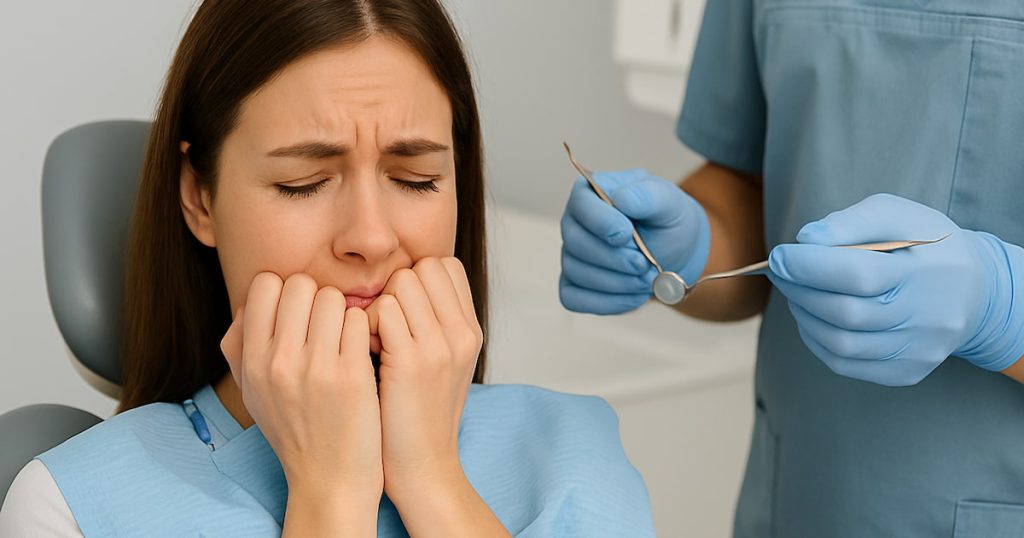
One of the most common things that people experience is dental anxiety. For many people, just the thought of a simple dental exam session can cause stress, fear, or even panic. This anxiety can range from mild unease to an intense phobia that keeps people from seeking the care they need.
That’s why in this article, we decided to explore the difference between dental anxiety and dental phobia, uncover the common causes, and share effective strategies for managing fear and building confidence. Whether you or someone you love struggles with visiting the dentist, this guide is here to help make the experience calmer and safer.
Understanding Dental Anxiety and Phobia
What Is Dental Anxiety and How Is It Different from Dental Phobia?
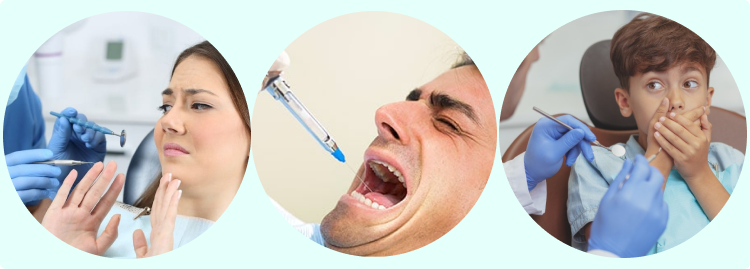
Dental anxiety refers to a general feeling of unease or nervousness about dental visits. It’s a common experience, affecting many individuals at different levels. On the other hand, Dental phobia, also known as dentophobia, is an intense, irrational fear of dental visits that can significantly impact an individual’s daily life.
Here you can see their key differences:
| Aspect | Dental Anxiety | Dental Phobia |
| Severity | Mild to moderate | Severe |
| Impact on Life | May cause discomfort, but is manageable | Can lead to avoidance of dental care |
| Physical Symptoms | Mild symptoms like sweating and increased heart rate. | Intense symptoms like panic attacks and fainting |
Common Causes of Dental Fear: Pain, Needles, and Negative Experiences
1- People can experience fear when visiting the dentist for different reasons. They could be scared of the idea of the possibility of pain. Especially if they had bad experiences before. Even the anticipation of pain can cause anxiety in patients, especially those with low pain thresholds.
2- Needle phobia, known as trypanophobia, affects almost 10% of adults. In severe cases, it can lead to fainting or avoiding medical care. In dentistry, local anesthetic injections are usually where this fear is activated. Even thinking about the injection can trigger fear in some patients.
3- Some people suffer from their negative experiences. Studies show that 80-85% of dental phobias are rooted in negative experiences. These bad experiences are not just related to the treatment process. The humiliation or judgmental comments about the appearance or hygiene of the teeth received from the dentist will cause emotional scars that stop the patient from seeking dental care in the future.
Impact of Dental Anxiety on Oral Health
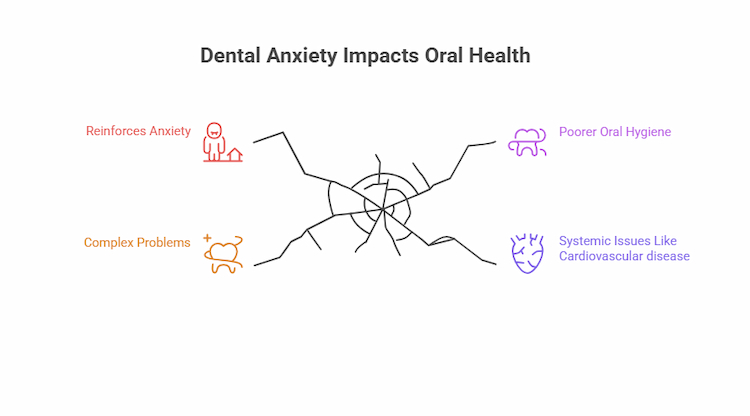
Unfortunately, people struggling with dental anxiety usually delay or skip routine check-ups. This can lead to undiagnosed issues and more complex problems for the person. However, when treatment becomes unavoidable, it often confirms patients’ worst fears, and this further reinforces anxiety and avoidance behavior, creating a self‑perpetuating cycle.
Anxiety and dental fear often coexist with depression and other mental health challenges, which negatively affect oral hygiene behaviors and lead to poorer dental health results. When anxiety leads to oral health issues, it’s important to know that this isn’t just local. Chronic dental disease is linked to systemic issues like cardiovascular disease and diabetes complications.
So, unfortunately, dental anxiety can lead to further health issues.
Read more: Regular dental checkups are essential for maintaining good oral health. If you’re unsure how often you should visit your dentist, this guide will help you.
Practical Tips for Reducing Dental Anxiety
Dental anxiety is more common than you might think, but the good news is that there are effective ways to manage it. If you’re struggling with fear or nervousness about dental visits, don’t lose hope. Here are three practical strategies you can try to feel more at ease and in control.
Communicating with Your Dentist: Why It Matters
Open and honest communication with your dentist is one of the most effective ways to reduce dental anxiety. When patients express their fears, whether it’s pain, needles, or a lack of control, dentists can adjust their approach, offer reassurance, and create a more comfortable environment.
How? Simple strategies like discussing procedures beforehand, agreeing on a hand signal to pause, or asking questions can help patients feel more in control. Research shows that clear communication not only builds trust but also leads to better treatment outcomes and greater patient satisfaction
Read more: A dentist’s expertise and experience play a key role in building comfort and trust with patients. If you want to find the best dentist near you, don’t miss our helpful guide.
Breathing Techniques and Relaxation Exercises to Stay Calm
One of the easiest yet most effective ways to manage dental anxiety is by doing controlled breathing and relaxation techniques. When we’re anxious, our breathing tends to become shallow and rapid, which can trigger more tension. Deep breathing helps
- calm the nervous system,
- lowers heart rate
- reduces the fight-or-flight response often triggered in the dental chair.
4-7-8 breathing is a popular technique. Here’s how you do it: inhale deeply through your nose for 4 seconds, hold your breath for 7 seconds, and exhale slowly through your mouth for 8 seconds. Practicing this before and during your appointment can bring a noticeable sense of calm.
Progressive muscle relaxation is another useful technique, by gently tensing and then relaxing each muscle group from head to toe, releasing physical tension caused by stress and refocusing your mind away from anxiety.
Important Note: According to Medical News Today, a person may feel lightheaded after doing this for the first few times. Therefore, it is advisable to try this technique when sitting or lying down to prevent dizziness or falls.
Distraction Methods: Music, Podcasts, and Visual Imagery
Bringing your headphones and listening to calming music or an engaging podcast episode can soothe nerves and give your mind something pleasant to focus on. Many dentists encourage patients to use earbuds during procedures for this reason.
Another helpful technique is guided imagery or visualization. This involves mentally picturing your favorite peaceful place, which could be a beach or forest scene, while focusing on the details such as the sounds, smells, and sensations of that environment.

Advanced Techniques to Overcome Dental Phobia
For some patients, basic coping methods aren’t enough to ease dental phobia. Advanced techniques like Cognitive Behavioral Therapy and sedation options offer deeper relief. These approaches can help even the most anxious patients feel comfortable and confident.
Cognitive Behavioral Therapy (CBT) for Dental Anxiety
CBT is a structured form of talk therapy that helps you recognize and challenge the negative thoughts and beliefs that trigger fear about dental visits. Instead of avoiding the dentist due to anxiety, CBT teaches you to gradually face your fears in a controlled and supportive way. Through sessions with a trained therapist, you’ll learn how to replace irrational thoughts like “something will go wrong” with more realistic, calming perspectives.
This is amazing because studies have shown that CBT is highly effective in reducing dental phobia, even in individuals who have avoided the dentist for years.
Sedation Dentistry: Types and Benefits
For patients with intense dental anxiety or phobias, sedation dentistry can be a game-changer. In this method, the dentist uses medication to help patients relax during dental procedures. Sedation makes the longer and more complicated procedure more tolerable and also helps patients with a sensitive gag reflex or low pain threshold.
Virtual Reality and Other Modern Solutions for Fear Management
Thanks to advances in technology, modern tools like virtual reality (VR) and other innovations are transforming how patients experience dental care, especially those who suffer from anxiety.
Wearing a VR headset during treatment can send patients to calming environments like a beach or even outer space. Studies show that VR can significantly lower anxiety and pain perception during dental procedures by keeping the brain focused on something positive rather than the treatment itself.
Some innovative solutions like noise-canceling headphones, ceiling screens, and phone applications for anxiety also play a big role in how patients experience the visit. These solutions not only would reduce the tension but also can make the dental care more pleasant.

Take the First Step Toward Stress-Free Dental Care
At Smile Point Dental, we understand how frustrating dental anxiety can be, and we’re here to help.
Our compassionate team is trained to support anxious patients of all ages with gentle care and modern comfort techniques.
If you’re ready to feel more at ease at the dentist contact us today.
Preparing for a Stress-Free Dental Appointment
A little planning can go a long way in reducing dental anxiety. From choosing the right dentist to bringing comfort items, preparation matters. These simple steps can help make your next visit calm.
Tips for Choosing the Right Dentist for Anxious Patients
Finding a dentist who understands dental anxiety can make all the difference. Not only does it help during the session, but it also encourages the next step in the dental care. Look for professionals who:
- Mention anxiety-friendly care on their website or in reviews.
- Are willing to take the time to explain procedures and respect your pace.
- Welcome a consultation visit before any treatment, just to meet, talk, and build trust.
- Offer sedation options or comfort-focused approaches like VR or noise-canceling headphones.
- Provide honest and real online reviews from anxious patients.
What to Bring to Help You Feel Comfortable (E.g., Headphones, Blanket)
| Some ideas | How do they help? |
| Headphones or Earbuds | Calming music, podcasts, or white noise helps to block out sounds. |
| Soft Blanket or Stress Ball | Helps with physical comfort and grounding. |
| Written Note | If speaking feels difficult, writing your concerns and preferences helps. |
| Family member or friend | You will feel supported. |
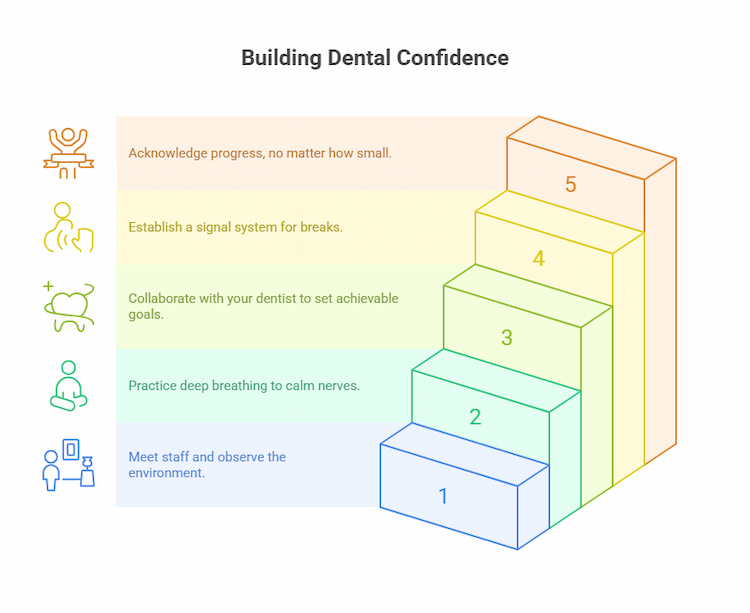
Step-by-Step Guide to Building Confidence Over Time
Overcoming dental anxiety shouldn’t make you even more anxious. There are gentle and small things you can do to feel more confident and at ease.
You start by booking a non-treatment visit to meet the staff and observe the office environment. Before and during the visit, Practice relaxation techniques (like deep breathing). With the help of your dentist, set realistic goals, such as staying in the chair for a short time, then slowly increasing the length of appointments. Create a signal system with your dentist, like raising your hand when you need a break. Last but not least, celebrate small wins. Whether it’s just showing up or completing a simple cleaning, acknowledge your progress.
Finally, be patient if the progress may be slow. Each positive experience helps to reshape how your brain perceives dental care from something to fear into something manageable.
Supporting Loved Ones with Dental Anxiety
Being emotionally and physically present has a significant effect on managing anxiety. Whether it’s a child or an elderly parent, your support can make a big difference. Here’s how to be there for your loved ones before and during their dental visits.
How to Comfort a Child with a Dental Phobia
Dental fear is an important subject when it comes to kids, but the right approach can help them feel safe and even curious about going to the dentist. By using positive language and avoiding scary words like hurt and pain, they can have a better picture of the dentist in their minds. Keep in mind that reading children’s books about dentists and playing pretend dentist at home makes the experience better.
However, none of these are going to help if you don’t choose a pediatric dentist who has training in working with anxious children and doesn’t know how to communicate with them at their level, or if you can’t manage your stress in front of your children. So pay attention to the dentist’s capability and your own stress.
Helping Elderly Family Members Feel Secure at the Dentist
Elderly family members may struggle with dental anxiety due to negative experiences, health issues, or reduced mobility. There are different things you can do to help them, For example:
- Discuss their concerns before the visit
- Be at the dentistry for them so they feel more at ease
- Bring items that help them to feel more comfortable, like a blanket
- And make sure the dental office is accessible, especially if they use a wheelchair or walker.
The Role of Emotional Support from Family and Friends
Support from loved ones can be a powerful tool for overcoming dental anxiety at any age. You can offer help that makes a difference. For example:
- Listen without judgment. Why? Sometimes, just having someone to talk to about fears is incredibly comforting.
- Help with logistics, like booking appointments or driving to the clinic, which reduces stress.
- Celebrate small wins. Whether it’s showing up, sitting in the chair, or getting through a cleaning, affirm their courage.
- If it’s possible, join them in the waiting room or treatment area to show your support and encouragement.
Read more: If you ever find yourself in a dental emergency, here are 5 mistakes you should avoid.

Conclusion
Dental anxiety is a common but manageable challenge that affects people of all ages. Whether it’s mild unease or a deeper phobia, it’s important to remember that you’re not alone. Using different strategies from breathing techniques and distraction methods to cognitive behavioral therapy and sedation dentistry, makes today’s dental care more patient-friendly than ever. Keep in mind that the journey might take time, but each step forward is a step toward a healthier smile plus a more confident you.
You can count on us to make your dental visits stress-free and reassuring every step of the way. From gentle tooth extractions to professional teeth whitening, at Smile Point Dental, we offer a full range of services to keep your smile healthy and bright.
FAQ’s
-
What causes dental anxiety and phobia?
Dental anxiety and phobia are often caused by past traumatic dental experiences, fear of pain, fear of loss of control, embarrassment about oral health, or general anxiety disorders. Also, Negative portrayals in the media and learned behaviors from family members are effective.
-
How can I calm my nerves before a dental appointment?
There are many things you can do. Practice deep breathing, listen to music, communicate openly with your dentist, and schedule appointments at less stressful times of the day. Don’t forget to bring comfort items like headphones or a blanket.
-
What are the treatment options for severe dental phobia?
Treatment may include cognitive behavioral therapy (CBT), gradual exposure therapy, sedation dentistry, and working with specially trained dentists.
-
Is sedation dentistry safe for everyone?
Sedation dentistry is generally safe, but it’s not suitable for everyone. Patients with certain medical conditions or those taking specific medications may need a personalized assessment.
-
How can I help my child with dental anxiety?
Use positive language when talking about the dentist, avoid sharing your own fears, and consider reading books or watching videos about dental visits. Choose a pediatric dentist experienced in handling anxious children, and be supportive during appointments.
Have you tried any calming techniques like deep breathing, music, or talking openly with your dentist to manage dental anxiety? Your insight could make someone else’s next dental visit a little easier, so share your favorite tips in the comments.