

From toddlers getting their first dental exam to grandparents needing specialized care, every family member has unique dental needs. A trusted and qualified family dentist can help ensure your loved ones’ dental needs are met. If you’re trying to choose a family dentist, this guide is designed to simplify the process. We’ll walk you through what to look for, what to avoid, and how to make a confident, informed decision that supports your family’s long-term oral health.
Why Choosing the Right Family Dentist Matters
Having an expert family dentist makes managing your family’s dental care simpler and more convenient. If you’re unsure whether to choose a family dentist, consider some of the key benefits mentioned below.
The Role of a Family Dentist in Your Oral Health
A family dentist is capable of managing a wide range of dental issues and provides care tailored to individuals at all stages of life. They serve as the cornerstone of preventive care, ensuring that every family member’s teeth, gums, and overall oral health remain in optimal condition.
Family dentists are not only concerned with diagnosing and treating dental problems. they’re also:
- Educate their patients about proper oral hygiene practices.
- Helps catch problems early before they require more complex or costly treatments.
- Build long-term relationships with patients, offering continuity of care that fosters trust and comfort.
Long-Term Benefits of a Family Dentist for All Ages
Having an expert family dentist makes managing your family’s dental care simpler and more convenient. If you’re unsure whether to choose a family dentist, consider some of the key benefits mentioned below.
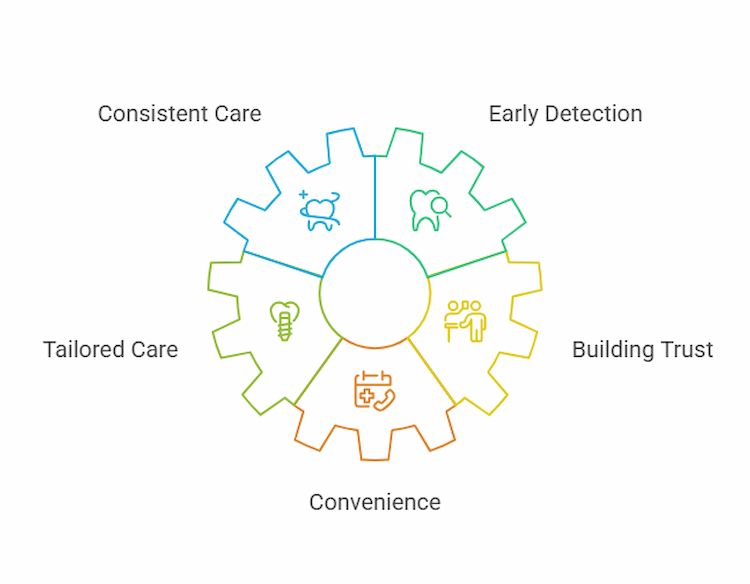
Consistent Care for Every Family Member
from infants to grandparents, A family dentist provides comprehensive care for individuals of all ages. This continuity ensures that dental health is closely monitored over the years, and any potential problems are detected early.
Early Detection of Oral Health Issues
Regular visits to a family dentist allow for the early detection of oral health issues like cavities, gum disease, or even more serious conditions such as oral cancer.
Tailored Care for Each Age Group
A family dentist is well-trained to meet the unique needs of various age groups. For children, they focus on proper dental development, teaching good oral hygiene habits, and offering pediatric dental care such as fluoride treatments and sealants. For adults, they manage preventative care, offer cosmetic procedures, and address concerns like tooth sensitivity. Elders benefit from specialized care related to aging, such as managing dry mouth and denture fitting.
Building Trust Over Time
When families visit the same dentist for years, they build a trusting relationship that makes dental visits more comfortable. This is especially important for children, because according to AAPD, routine dental visits are key to preventing and detecting cavities early. When kids develop a positive view of dental care, they are more likely to continue regular checkups throughout their lives.
Convenience and Family-Focused Services
Having a single dentist for the entire family saves time and effort. Many family dentists offer flexible hours, making it easier for families with busy schedules to maintain regular visits. Plus, a family dentist can often provide a wide range of services.
If you want to know the top benefits of choosing a family dentist in more detail, this article is for you.
Common Mistakes When Selecting a Dentist
| Not Checking Qualifications | Ensure the dentist is licensed and has the appropriate certifications. Verify their experience and areas of expertise to match your family’s needs. |
| Overlooking Age Group Experience | Choose a family dentist who can handle the dental care needs of every family member, from young children to seniors. |
| Ignoring Office Comfort | The dentist’s office should feel welcoming. An uncomfortable environment, especially for children, can lead to anxiety. |
| Poor Communication | A good family dentist should communicate clearly and listen to your concerns. Avoid dentists who seem rushed. |
| Choosing Based on Price Alone | While affordability matters, don’t sacrifice quality care. |
| Not Considering Location | Pick a conveniently located dentist with flexible hours to make regular visits easier for your busy family. |
| Neglecting Emergency Care | Make sure the dentist provides emergency care, especially if you have children or elderly family members. |
Factors to Consider When Choosing a Family Dentist
Like any health-related decision, there are important factors to consider if you want to choose a family dentist who can provide the best possible care for your loved ones. We’ve highlighted three of the most essential ones to guide your choice.

Location and Accessibility: Why Proximity Is Key
When choosing a family dentist, proximity is a crucial factor. Selecting a dentist close to home or work ensures that dental visits are more convenient and less stressful, especially for busy families. This becomes even more important for families with young children or elderly members. Additionally, a nearby office can be a big relief in case of dental emergencies, providing faster care when it’s needed most.
Services Offered: Are They Meeting Your Family’s Needs?
A good family dentist should provide a wide range of services that cater to patients of all ages. Make sure the dentist offers age-appropriate treatments, including pediatric dental care for children, routine checkups for adults, and specialized support for seniors.
Choosing a dentist with diverse services ensures your family won’t need to go elsewhere, which makes it more convenient to manage everyone’s dental health under one roof.
Qualifications and Experience of the Dentist
Choose a family dentist who is a member of trustworthy professional organizations, such as the American Dental Association (ADA), which ensures dentists follow industry standards and stay updated on the latest practices.
Also, a dentist who has extensive experience treating children, adults, and seniors will be more equipped to handle the varying needs of your family.
Looking for a Trusted Family Dentist?
At Smile Point Dental, we’re committed to providing gentle, comprehensive care for every member of your family from toddlers to seniors.
With flexible scheduling, modern technology, and a warm, welcoming team, we make dental visits comfortable.
Schedule your first appointment today.
Tips for Evaluating a Family Dentist
You may have selected a potential dentist, but want to be sure you’ve made the right choice. Here are three effective ways to confirm that you’ve chosen a family dentist who is truly worth your trust and investment.
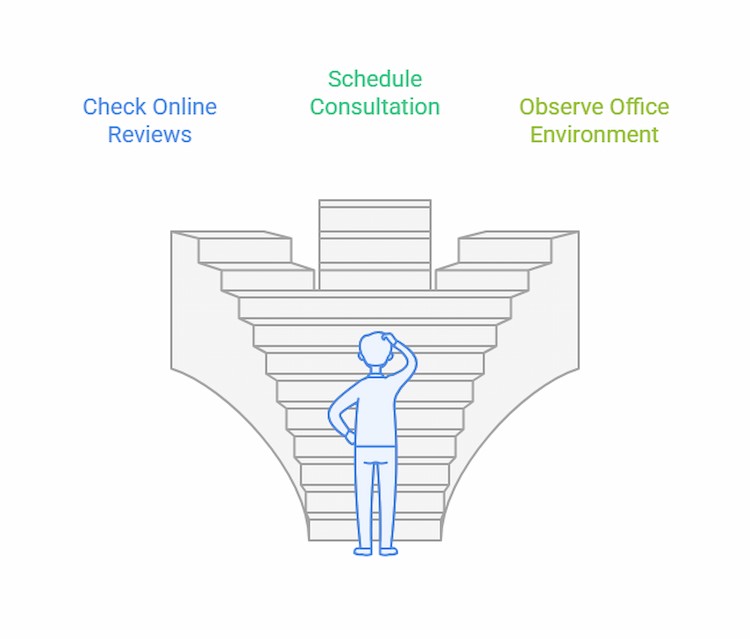
Checking Online Reviews and Ratings
One of the easiest and most effective ways to evaluate a family dentist is by reading online reviews and ratings. Look for consistent feedback across multiple platforms like Google, Yelp, or health-specific review sites. Pay attention to what patients say about the dentist’s communication style, the friendliness of the staff, wait times, and how well the office handles appointments and emergencies.
A pattern of positive reviews is usually a good sign, while repeated complaints, especially about the same issues, may be cause for concern.
Scheduling a Consultation: What Questions to Ask
Before you choose a family dentist, scheduling a consultation is a smart thing to do. It gives you a chance to meet the dental team, see the office environment, and ask important questions to determine if they’re the right fit for your family. Asking the right questions during a consultation helps you observe the dentist’s communication style, professionalism. Here are some helpful questions to consider during your visit:
- What services do you offer for different age groups?
- This helps ensure that the practice can meet your family’s unique needs, from pediatric care to adult and senior treatments.
- Do you accept my insurance or offer payment plans?
- Understanding the financial aspect up front helps avoid unexpected costs later.
- How do you help anxious or fearful patients?
- If anyone in your family has dental anxiety, it’s useful to know what techniques or technologies the practice uses to ensure comfort.
- What is your approach to preventive care?
- A strong focus on prevention is key to long-term oral health.
Observing the Office Environment: Cleanliness, Comfort, and Staff
A well-maintained, hygienic environment is essential in any healthcare setting, and it reflects the clinic’s commitment to patient safety and professionalism. Comfort is also key, especially if you have young children or elderly family members. Is the waiting room inviting? Are there anything for kids, like books or toys? Does the space feel calm?
Additionally, friendly, respectful, and knowledgeable team members can make a big difference in how you feel about the dental office. Pay attention to how the staff interacts with patients and whether they’re approachable and willing to answer questions.
Red Flags to Watch Out for When Choosing a Family Dentist
We’ve covered what to look for when selecting the right dentist, but it’s just as important to know when to walk away. Certain red flags can signal that a dentist may not be the best fit for your family’s needs. Here are three warning signs to watch out for.

Lack of Communication and Transparency
If a dentist seems rushed, avoids answering questions clearly, or doesn’t understandably explain procedures and options, it’s a major red flag. Transparency also applies to treatment plans and pricing. A trustworthy family dentist should walk you through recommended procedures, explain why they’re necessary, and provide clear cost estimates.
Outdated Equipment or Limited Services
Modern dental care relies heavily on up-to-date tools and technology like digital X-rays, intraoral cameras, and electronic records. While not every practice needs the latest equipment, a dentist who still uses outdated tools or lacks basic modern amenities may not be able to provide the highest standard of care.
Also, if the dentist cannot provide age-appropriate care or cannot handle preventive, restorative, or emergency treatments, it may lead to unnecessary referrals or limitations in care. Therefore this such a dentist can meet your family’s long-term needs.
Poor Reviews or Unclear Pricing
Online reviews can reveal a lot about a dental practice. While one or two negative comments are not uncommon, consistently poor ratings or repeated complaints about the same issues should be taken seriously. Unclear or inconsistent pricing is another red flag. If the office is not clear about costs, doesn’t provide written estimates, or seems unwilling to discuss insurance or payment plans, it could lead to financial surprises down the line.
Making the Final Decision: Choosing the Best Fit for Your Family
Finally, after weighing the important factors like location, services, and communication, it’s time to make your choice. The best fit is a dentist who not only meets your family’s needs but also makes every visit feel comfortable and reassuring. Our final tips will help you make a confident decision.
Balancing Cost, Insurance, and Quality of Care
Choose a family dentist who accepts your insurance plan or offers flexible payment options. Comparing prices and understanding insurance coverage is essential, but also try to focus on value rather than just the lowest cost. If a dentist offers:
- thorough exams
- preventive educational
- personalized attention
worth a slightly higher fee than one who rushes through appointments.
Importance of Trial Appointments for Children
Booking a trial visit for your child is a smart way to see how the dentist interacts with younger patients. Pay attention to how the team communicates with your child, how calm and engaging the atmosphere is, and whether the appointment feels rushed or thoughtful.
Reassessing Your Choice Over Time
Choosing a family dentist isn’t necessarily a lifelong decision. If concerns such as unclear communication, long wait times, or changes in service quality arise, it’s worth re-evaluating. Switching dentists is entirely acceptable if it leads to better care.

Conclusion
Choosing a family dentist is about building a long-term relationship with someone you can trust to care for every smile in your family. From qualifications and services to communication and comfort, each factor plays an important role in making an informed decision. When you take the time to evaluate your options carefully, ask the right questions, and watch for red flags, you’re more likely to choose a family dentist who fits your family’s needs.
At Smile Point Dental, we offer a wide range of dental services tailored to every member of your family, from wisdom tooth removal for younger patients to dentures for older adults. We’re here to ensure every smile in your family receives the quality care it deserves.
FAQs
-
What is the difference between a family dentist and a general dentist?
Both provide routine dental care, but a family dentist is trained to treat patients of all ages, from children to seniors, which makes it easier for entire families to receive care in one place, continuity over time.
-
How do I know if a family dentist is right for my kids?
Look for experience with pediatric care, a child-friendly environment, and a gentle, patient approach. A good family dentist will make your child feel comfortable and educate them in a way that builds lifelong healthy habits.
-
What questions should I ask during a consultation with a family dentist?
Ask about their experience with different age groups, services offered, emergency care availability, accepted insurance, and how they handle dental anxiety. These questions help you find out if their care aligns with your family’s needs.
-
How important is location when choosing a family dentist?
Very important. A conveniently located office makes it easier to keep up with regular visits and respond quickly in emergencies. It also saves time and reduces scheduling stress for busy families.
-
What are the common warning signs of a bad family dentist?
Red flags include poor communication, unclear pricing, consistently negative reviews, outdated equipment, and a lack of transparency. These can signal lower-quality care or a poor patient experience.
Have you recently gone through the process of choosing a family dentist? What factors mattered most to you, or what challenges did you face along the way?