Want to replace your front tooth? This is a wise choice, as you’re bringing back confidence, function, and comfort. Dental implants for tooth replacement, especially for front teeth, have become the gold standard for replacing lost teeth, blending durability with a natural look. In this guide, we’ll walk you through everything you need to know before getting one.
What Are Front Teeth Implants?
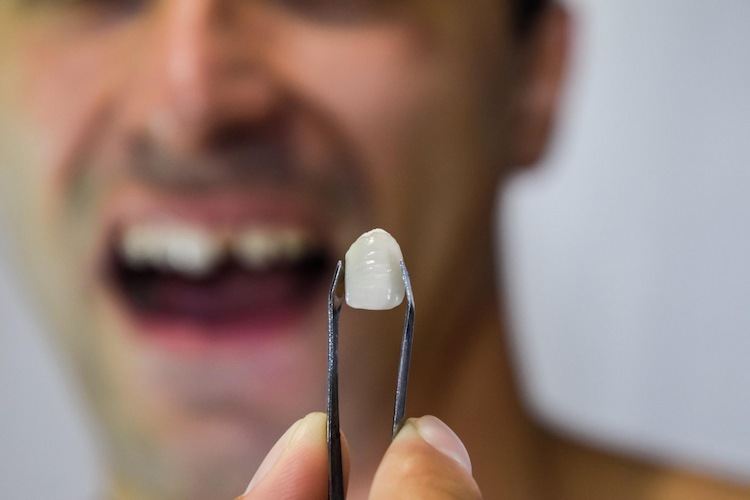
A front tooth implant is a titanium post surgically placed into your jawbone to replace the root of a missing tooth. Once the implant heals and fuses with your bone (a process called osseointegration), a custom-made crown is attached on top, designed to match the color, shape, and size of your natural teeth.
Unlike dentures or bridges, implants don’t sit on your gums or rely on adjacent teeth, but instead become part of your jaw structure, making them a permanent and highly stable option.
Quick Breakdown of the Parts of a Front Tooth Implant
| Component | Function |
| Implant Post | Acts as the artificial tooth root, made of titanium or zirconia. |
| Abutment | Connects the implant post to the crown. |
| Crown | The visible, custom-designed tooth that matches your smile. |
Is a Front Tooth Implant Different From Other Implants?
In principle, a front tooth implant works the same way as any other dental implant. However, the location of a front tooth means there are special considerations. For example, for these teeth, aesthetics are critical. Therefore, the crown must perfectly match the surrounding teeth in shape, color, and size, as the front teeth are the most visible. Moreover, the front of the jaw tends to have less bone density, so sometimes bone grafting is needed for a strong foundation.
Another important factor to consider is that front teeth are used more for cutting food rather than heavy chewing, but the implant still needs to withstand everyday use. Additionally, as front teeth are the first thing that appears on your face when you smile, dentists must carefully position the crown so it looks natural when you smile.
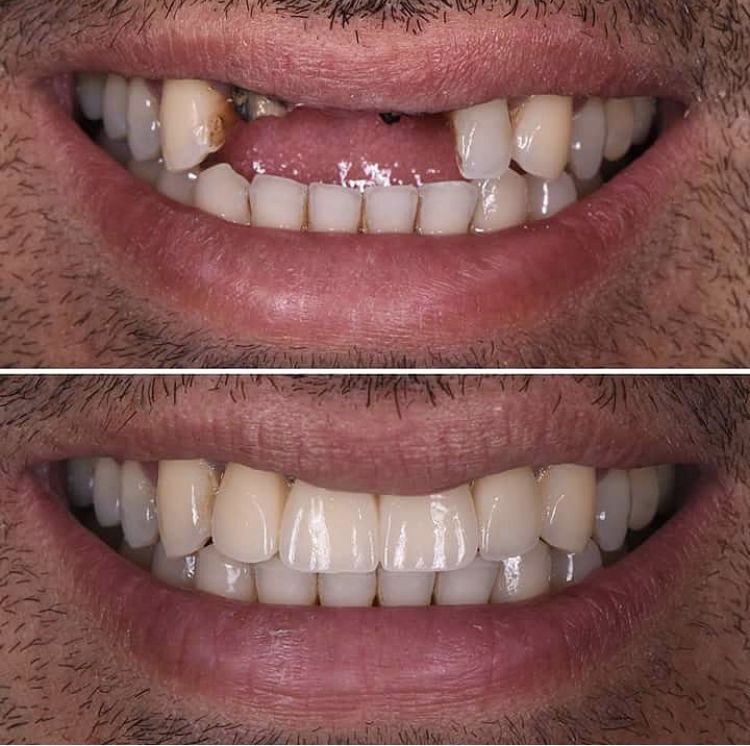
All in all, the technique is similar, but the attention to cosmetic detail is higher for front tooth implants compared to molars or back teeth.
Are you a senior looking to enhance your smile through dental implants? This article is a must-read: What Seniors Should Know About Dental Implants and Their Benefits
Why Choose Front Teeth Implants Over Other Options?
When you lose a front tooth, you have several replacement options: dentures, bridges, or implants. While each has its place, implants often provide the best blend of function, aesthetics, and longevity.
| Feature | Denture | Dental Bridge | Front Tooth Implant |
| Stability | Can shift while eating or speaking | Fixed, but relies on grinding nearby teeth | Fixed directly into the jawbone |
| Appearance | Can look artificial | Natural look | Most natural, blends seamlessly |
| Longevity | 5 – 8 years | 10 – 15 years | 20+ years with care |
| Bone Health | No stimulation, bone loss possible | Minimal stimulation | Preserves jawbone health |
Benefits of Front Teeth Implants
Front teeth are one of the first things people notice when you smile or speak, so replacing them with something that looks and feels natural is essential. Modern dental implants are crafted to be virtually indistinguishable from real teeth, giving you a seamless, confident smile. They also eliminate the worry of gaps or loose dentures, allowing you to laugh, speak, and eat without hesitation.
Beyond aesthetics, front tooth implants offer long-term durability and stimulate the jawbone, preventing bone loss and preserving your facial structure. Most importantly, they restore full function, so you can comfortably bite into foods like apples, sandwiches, and other favorites just as you would with natural teeth.
Smile Point Tip: The quality of your implant crown plays a big role in how natural it looks. At Smile Point Dental, we customize crowns to match your other teeth perfectly.
The Procedure for Getting Front Teeth Implants
Getting a front tooth implant requires planning, precision, and healing time to ensure the best outcome. Let’s check out the front teeth implant procedure.
- Consultation and examination
Your dentist reviews your medical history (smoking, diabetes, blood thinners, osteoporosis meds), checks gum health, bite, and whether jaw growth is complete, which is important in younger patients. In addition to standard X-rays, most dentists take a 3D cone-beam CT (CBCT) to measure bone height/width, find the exact position of nerves, the nasal floor, and the incisive canal, which is important for upper front teeth.
So, now your teeth are scanned, photos are taken, and a digital smile design may be done so the implant position matches the final tooth shape. After you receive a written plan with the number of visits and an estimated timeline, you’ll be prepared for your treatment session.
- Implant placement surgery
Under local anesthesia (or sedation if needed), the dentist makes a small opening. They prepare a channel (osteotomy) using the surgical guide and place the titanium post into the jawbone. If there’s a gap between implant and front bone, it’s often filled with bone graft and sometimes covered with a membrane. The whole stage takes 30 to 90 minutes, per tooth. Also, the healing time after this stage usually takes 3 to 6 months, during which the bone naturally fuses with the implant.
- Abutment placement
Once healing is complete, the dentist creates a tiny opening to attach a healing abutment that shapes the gum. In the aesthetic zone, a custom temporary crown is often used for 2 to 8 weeks to train the gum to the right contour and papilla (the little triangles between teeth). This step is critical for a natural look, especially if gums are thin. the abutment is attached to the implant post. This part will connect the implant to the crown.
- Crown placement
Your dentist uses a scan body (digital) or impression posts (traditional) to capture the exact implant position and gum shape. A custom-made crown is created to match your surrounding teeth in shape, size, and color. Photos under different lighting help the lab match neighboring teeth. You may be asked to visit the lab for a custom shade. Now the custom-made crown is attached either by screwing it into the implant or cementing it onto the abutment.
Suggested article: Dental Implants Aftercare: Top Tips for Fast Recovery
How Much Does Front Tooth Replacement Cost?
The cost of a front tooth depends on factors such as your location, your jawbone health, and the materials used. In Canada, the average cost for a single front tooth implant ranges from $3600 to $6500.
It’s worth noting that implant material, additional treatment needed, crown material, and clinic expertise can all affect the final price.
Contact Us Today!
Ready for a full smile restoration and to regain your confidence? Book your consultation at our dental office Oakville today and let us handle the whole process.
Alternative Options for Replacing Front Teeth
If an implant isn’t the right choice for you due to cost, bone health, or personal preference, there are other solutions available.
| Alternative Treatment | Explainations |
| Dental Bridges | Uses adjacent teeth as support to hold a replacement tooth. They look natural but require grinding down healthy teeth. |
| Removable Partial Dentures | A less expensive option that can replace one or more missing front teeth. However, they may not feel as secure as implants. |
| Resin-Bonded Bridges (Maryland Bridge) | A conservative option for front teeth that uses a metal or porcelain framework bonded to the back of adjacent teeth. |
Final Word
Front tooth implants are a long-term investment in your oral health, confidence, and quality of life. While the process takes time, the results are worth it: natural-looking teeth that feel just like the ones you lost.
At Smile Point Dental, our implant specialists use advanced technology and techniques to ensure your results are beautiful, functional, and lasting. Schedule your front tooth implant consultation at Smile Point Dental and let’s make your dream smile a reality. You can also explore our other cosmetic dentistry services and let us help you choose the best treatment for your smile.
FAQ
-
Are implants good for front teeth?
Yes! Implants are one of the best solutions for missing front teeth. They’re stable, look natural, and don’t harm nearby teeth.
-
How long do front teeth implants last?
If you take care of them properly by brushing, flossing, and regular dental visits, they can last 20 years or more. Some last a lifetime.
-
How painful is a front tooth implant?
Most patients experience minimal discomfort during surgery due to anesthesia. Afterward, mild soreness is common for a few days but can be managed with over-the-counter pain relievers.
-
Can you bite with a front tooth implant?
Absolutely. Once fully healed, you can bite and chew normally, even with tougher foods like apples or crusty bread.
Have you ever considered a dental implant? Or do you have questions we didn’t cover here? Drop your thoughts in the comments; we read and reply to every one!