Many Canadians considering tooth replacement are mainly concerned about dental implant cost. The final amount depends on the clinic, the treatment plan, and the patient’s oral condition. Many patients begin researching options after years of living with missing teeth, chewing difficulties, or ongoing discomfort. For some, a dental implant becomes the preferred solution after other treatments fail to provide long-term stability or comfort.
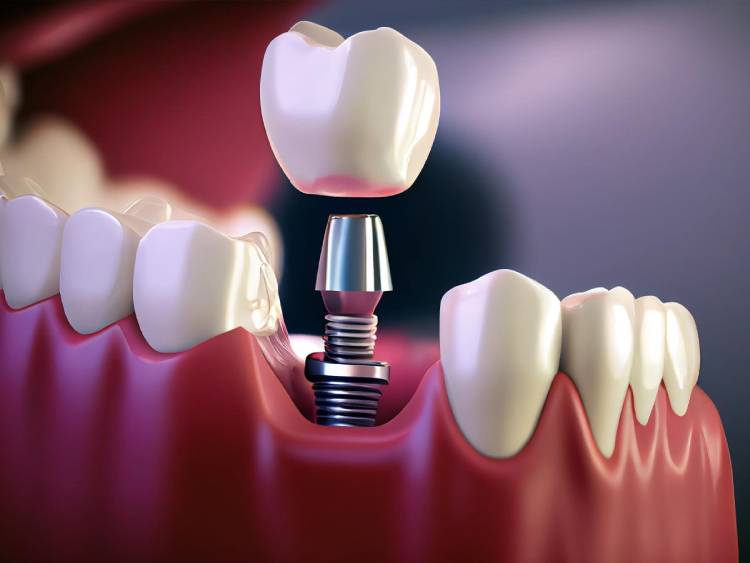
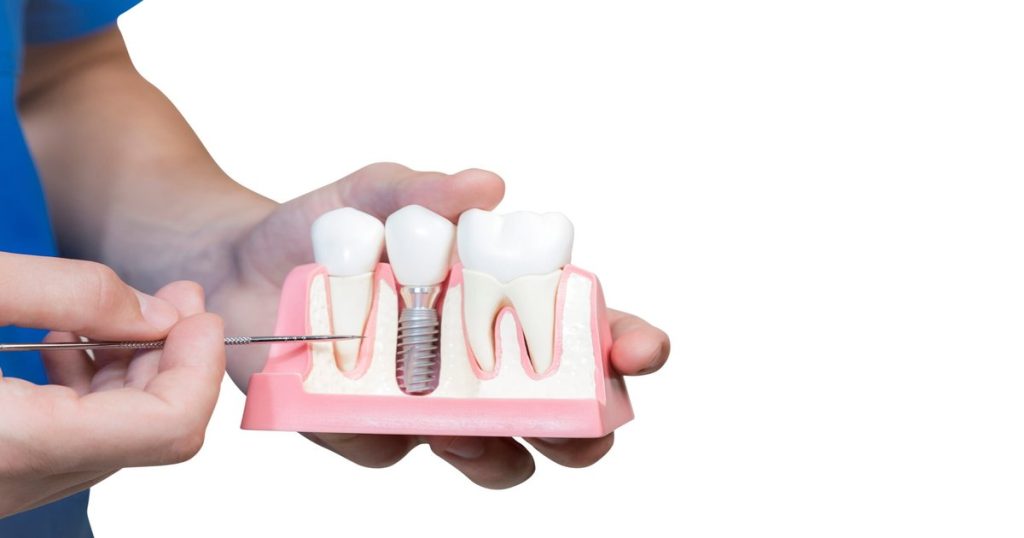
Dental implants are designed to replace missing tooth roots and support a natural-looking restoration. While they are widely used across Canada, the cost of dental implants varies significantly by city, provider, and treatment complexity. This article explains average prices, key cost factors, insurance limitations, and how implants compare with other tooth-replacement options, so patients know what to expect before committing to treatment.
How Much Do Dental Implants Cost in Canada?
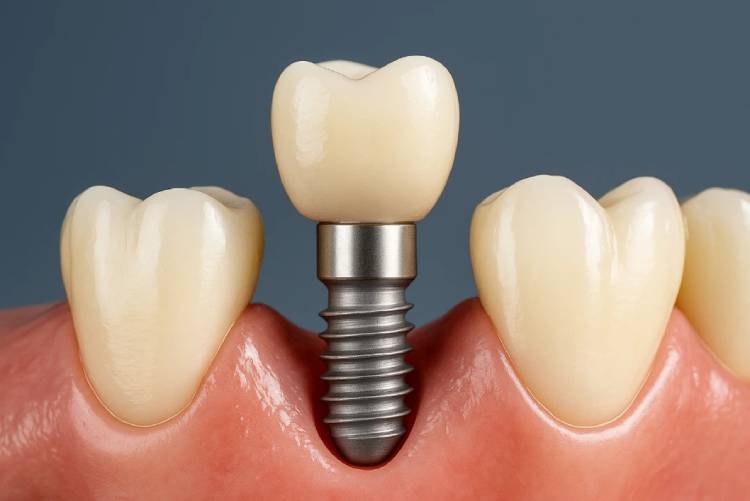
In Canada, the average cost of a single-tooth dental implant ranges from 3600 to 6500 dollars. In Toronto, pricing often falls toward the higher end of this range due to clinic overhead, specialist involvement, and advanced technology. This price usually includes the implant post, the abutment, and the final crown, though not all clinics bundle services the same way.
The surgical appointment typically lasts between 1 and 1.5 hours. Healing and integration take longer. Most patients wait three to six months before the final restoration is placed. During this period, the implant fuses with the jawbone, creating a stable foundation. This process is essential for long-term success and directly influences the cost of dental implants because it requires careful planning and follow-up care.
What Factors Affect Dental Implant Cost?
Several clinical and technical factors influence dental implant cost. Each patient has a different oral condition, which means treatment plans and pricing can vary widely.
1. Implant Type and Materials
Implants are commonly made from titanium or zirconia. Titanium is widely used because it integrates well with bone and has a long track record of success. Zirconia implants are metal-free and may be chosen for aesthetic or allergy-related reasons. Material choice affects pricing and long-term performance. Treatment planning often involves periodontics, especially when concerns about bone health and gum stability arise.
2. Bone Grafting and Sinus Lift Requirements
Some patients do not have enough jawbone to support an implant. In these cases, bone grafting or a sinus lift may be required before implant placement. These procedures add time, materials, and cost. Bone grafting for dental implants can significantly increase the total treatment cost, especially when the healing time is extended.
3. Dentist vs Oral Surgeon vs Periodontist
Who places the implant also matters. A family dentist may handle straightforward cases, while complex cases are often referred to an oral surgeon or managed by a specialist. A Periodontist focuses on gum and bone health, which is critical for implant stability. Specialist care frequently increases cost but can reduce the risk of complications.
4. Technology Used
Clinics using 3D imaging, digital planning, and guided surgery may charge more. These tools improve accuracy and reduce surgical risks. While technology increases the upfront cost of dental implants, it often improves outcomes and reduces the need for future corrective treatments.
Read more: “Everything You Should Know About Front Tooth Implants”
Dental Implant Cost vs Other Tooth Replacement Options
When comparing options, price alone does not tell the whole story. Long-term function, comfort, and maintenance also matter.
Dentures typically cost between $1,600 and $3,000. They are removable and may shift during eating or speaking. Many patients choose dentures as a short-term solution, but ongoing adjustments and replacements can add up over time.
A dental bridge usually costs between $2,200 and $5,000 or more. Bridges rely on nearby teeth for support, which can lead to additional dental work in the future. Bridges may need replacement after several years, increasing long-term expenses.
1. Dental Implants vs Dental Bridges
Implants stand independently and do not place pressure on adjacent teeth. Bridges require reshaping healthy teeth, which can weaken them. While implants cost more initially, they often last longer with proper care.
2. Dental Implants vs Dentures
Implants feel more stable and allow a stronger biting force. Dentures may require adhesives and frequent adjustments. Many patients prefer implants for daily comfort and confidence.
3. Long-Term Cost Comparison
Over time, implants may be more cost-effective because they require fewer replacements. Long-term success depends heavily on oral hygiene and routine care. Poor maintenance can lead to inflammation or peri-implantitis, which increases treatment costs.
Get Clear Answers About Dental Implant Costs
Worried about dental implant costs and unsure where to start? Book a dental implant consultation with Smile Point Dental Clinic and get clear, honest answers about pricing and treatment options. Our team will assess your needs, explain the real costs, and help you decide if implants are the right solution for your smile.
Read more: “Dental Implants Aftercare: Top Tips for Fast Recovery”
Does Insurance or CDCP Cover Dental Implants?
Coverage is one of the most misunderstood aspects of dental implants cost.
1. Private Dental Insurance Limitations
Most private plans classify implants as major or elective procedures. Dental insurance plans in Canada often cover only a small portion of the cost or exclude implants entirely. Some plans cover crowns but not the implant itself.
2. CDCP Dental Implant Coverage: What’s Excluded
The CDCP (Canadian Dental Care Plan) focuses on basic and preventive care. CDCP dental implant coverage is limited and often excludes implant surgery and components such as the implant post and abutment. Patients should review eligibility carefully before assuming coverage is available.
3. Out-of-Pocket Costs for Seniors
Seniors often face higher out-of-pocket expenses. Many seek treatment after tooth loss leads to chewing problems or repeated dental emergency visits. Without full coverage, patients should discuss staged treatment or financing options with their provider and schedule a comprehensive dental exam before starting.
Making a Smart Investment in Your Oral Health
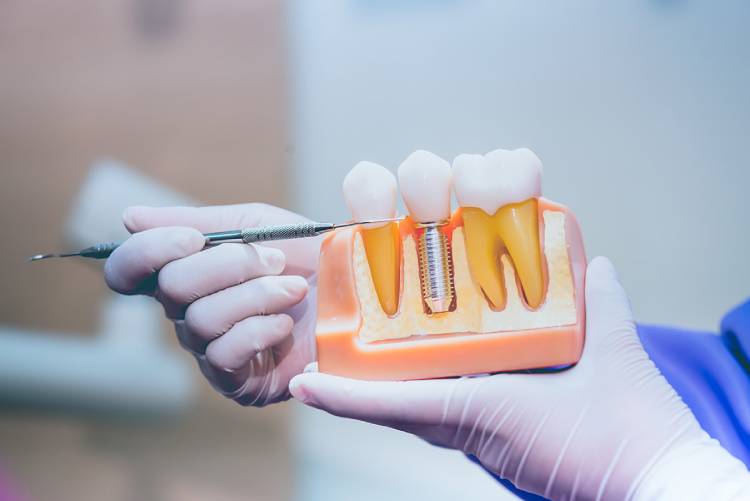
Dental implants are not a quick cosmetic fix. They are a long-term solution that requires planning, time for healing, and ongoing care. Understanding the actual cost of dental implants helps patients avoid unrealistic expectations and rushed decisions. When chosen carefully and maintained properly, implants can restore function, comfort, and confidence for many years.
Read more: “How to Avoid Common Dental Implant Complications”
FAQ
1. How much does one dental implant cost in Canada?
The price usually ranges from $3,600 to $6,500, depending on the clinic, location, and treatment complexity.
2. Why are dental implants so expensive?
The cost reflects high-quality materials, surgical skill, healing time, and the use of advanced dental technology.
3. Are dental implants cheaper outside Canada?
Some countries advertise lower prices, but limited follow-up care and travel risks should be carefully weighed.
Have questions about dental implant costs, or are implants right for you? Share your thoughts or concerns in the comments below. Your question might help someone else make a more informed decision about their treatment options.