A crown is a standard solution in modern dentistry, designed to restore the shape, strength, and appearance of a damaged tooth. As a form of tooth restoration, it plays a vital role in protecting against further tooth decay, fracture, or wear after a dental procedure. Understanding dental crowns lifespan helps patients make informed decisions about care, maintenance, and long-term dental treatment planning. In this article, we explain what affects crown longevity, what to expect over time, and how to make your crown last as long as possible.
Dental Crowns Lifespan: What to Expect
The dental crowns lifespan typically ranges from 10 to 15 years. However, with excellent care and maintenance, many crowns can last well beyond that, in some cases, 20 years or more without complications. This extended durability often depends on the patient’s oral hygiene practices and commitment to regular dental checkups.
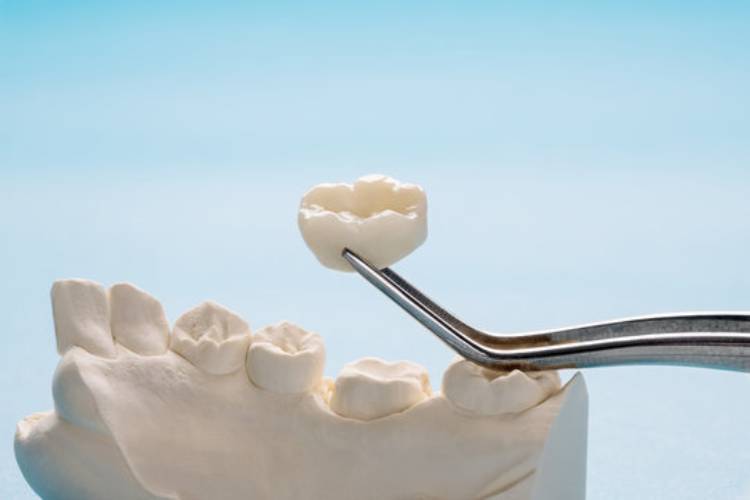
Several factors influence how long a crown will last, including the quality of the crown material, how well it fits over the tooth, and the amount of pressure it experiences during everyday activities like chewing or grinding. Crowns on molars, for example, often face more stress and may wear down faster than those on front teeth.
Factors That Affect Dental Crowns Lifespan
Several clinical and lifestyle factors influence the lifespan of dental crowns, and understanding them can help prevent early failure.
1. Crown Material
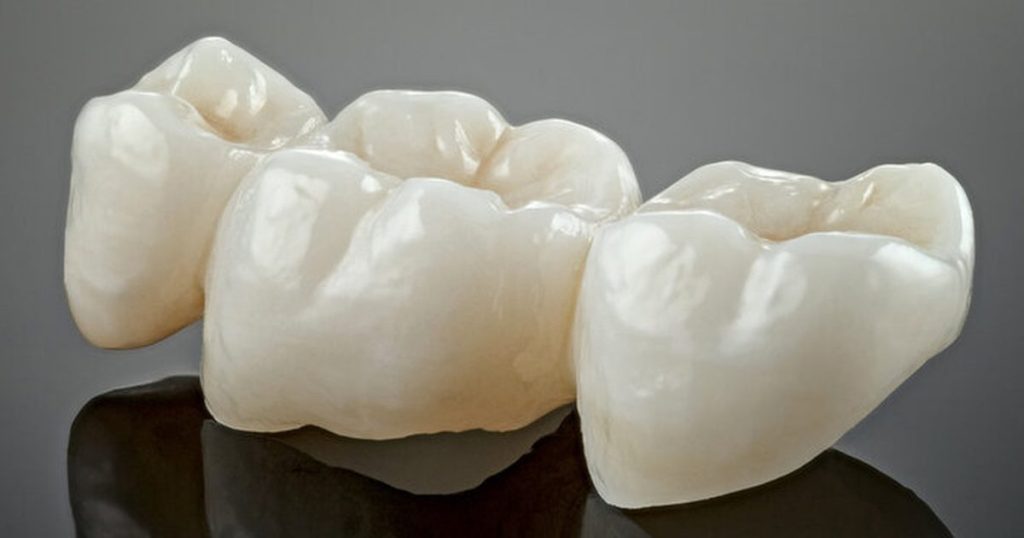
Crown material significantly impacts strength and wear resistance. Options such as porcelain crown, zirconia crown, metal crown, and porcelain-fused-to-metal crown (PFM) all perform differently under stress.
2. Oral Hygiene Habits
Good oral hygiene protects the tooth beneath the crown. Poor cleaning can lead to decay at the crown margins, even though the crown itself cannot decay.
3. Bite Force and Bruxism
Excessive bite force, especially from bruxism, increases the risk of cracks or tooth fracture, shortening the life of the restoration.
4. Crown Location (Front vs Molar)
Crowns placed on molars typically endure greater chewing pressure than those on front teeth. This added stress can shorten their lifespan compared to crowns in less forceful areas of the mouth.
5. Dental History and Gum Health
Healthy gums and bone support are essential. A history of gum disease or repeated dental treatment can reduce long-term success.
Read more: “How to Treat a Tooth Decay Under the Crown”
Get a Dental Crown Consultation Today!
At Smile Point Dental, we’re here to guide you through your options and help you achieve a long-lasting, beautiful smile. Call us now or book your consultation online. Your perfect smile is just a step away!
Typical Lifespans by Crown Material
When evaluating the lifespan of dental crowns, material choice matters. Porcelain and ceramic crowns often last 10–15 years. Zirconia and metal crowns may last 15–20 years due to their higher strength. PFM crowns offer a balance of durability and aesthetics, though porcelain chipping can occur over time. In comparison, cosmetic options such as a composite or ceramic veneer enhance appearance but do not provide the same structural protection as a crown.
How to Extend Your Crown Lifespan
Protecting your dental crowns lifespan requires consistent care and smart habits:
- Daily brushing and flossing to maintain oral hygiene
- Avoid hard or sticky foods that stress the crown
- Use nightguards if you grind your teeth
- Attend routine dental checkups to monitor crown integrity
Elective treatments such as teeth whitening or dental implants should always be discussed with your dentist to ensure they do not compromise an existing crown.
When to Consider Crown Replacement
Even with excellent care, the lifespan of dental crowns is not unlimited. Over time, wear and tear can take a toll, and replacement may become necessary. Warning signs include persistent pain when biting, looseness, visible cracks in the crown, or signs of tooth decay at the edges. These symptoms often indicate that the crown no longer fits properly or that the underlying tooth structure is compromised.
In situations involving sudden trauma, swelling, or a cracked crown, it’s essential to treat the issue as a dental emergency. Prompt evaluation by a dentist can help prevent further damage to the tooth or surrounding tissues. Timely intervention ensures continued protection and effectively restores both function and appearance.
Read more: “ Can You Straighten Teeth With Crowns?”
Long‑Term Care and Expectations for Dental Crowns
Understanding dental crowns lifespan helps patients set realistic expectations and make better decisions about their oral health. Types of dental crowns play a significant role in how long a crown lasts, as materials differ in strength, durability, and wear resistance. While the average lifespan of a crown is between 10 and 15 years, factors such as crown material, bite force, and individual dental history can significantly affect longevity.

By maintaining good oral hygiene, avoiding habits like grinding or chewing hard foods, and visiting your dentist regularly, you can extend the life of your crown and reduce the risk of complications. With proper care, dental crowns can offer long-term protection and functional reliability.
FAQ
1. Which crown material lasts the longest?
Metal and zirconia crowns generally offer the highest durability. With good care, they can last many years before needing replacement.
2. Can poor dental hygiene shorten a crown’s life?
Yes, poor brushing and flossing can lead to decay and gum disease around the edges of the crown. That can weaken the tooth under the crown, causing it to fail sooner.
3. How often should a dentist check crowns?
Crowns should be checked during routine dental exams, usually every six months. Regular checkups help catch cracks, bite issues, or decay early
Have questions about dental crowns or want to know more about your treatment options? Drop a comment below, we’re here to help you create the smile you’ve always wanted!