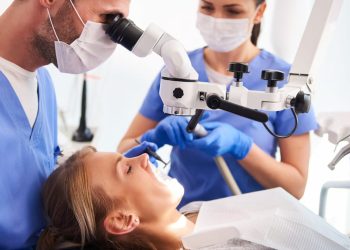

A missing tooth might seem like a small issue, especially if it’s tucked away where no one can see it. But over time, even one lost tooth can lead to serious oral health problems and affect your overall well-being. Acting early not only protects your smile, but it also helps you avoid long-term complications and costly treatments.
Let’s take a closer look at why replacing a missing tooth is so important and what happens if you don’t.
5 Major Risks of Not Replacing Your Missing Tooth
Now that you know why replacement matters, let’s talk about what happens when you don’t take action.
1. Shifting of Nearby Teeth
When there’s a gap in your smile, your other teeth naturally start to move toward it. Over time, this shift can cause crooked teeth, bite misalignment, and even jaw pain. You may find it harder to floss and brush correctly, leading to a higher risk of decay and gum issues in the surrounding teeth.
2. Difficulty in Chewing and Speaking
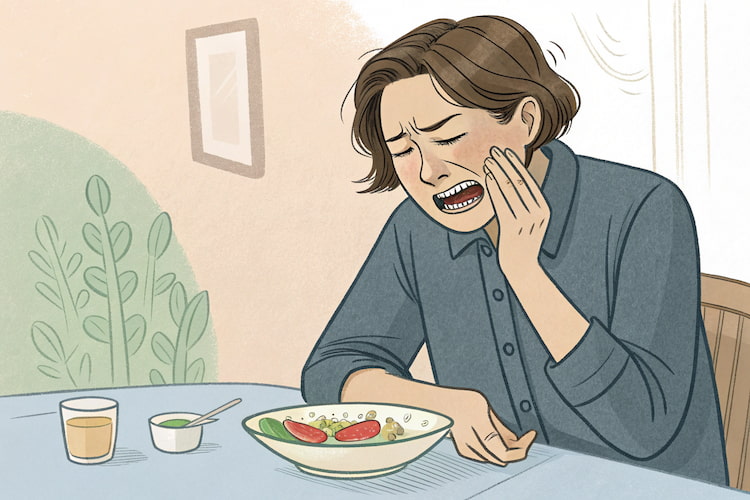
Depending on the location of the missing tooth, chewing may become uneven or painful. You might start overusing one side of your mouth, which can cause wear on those teeth or strain in your jaw muscles. For some, speaking becomes difficult, especially if the missing tooth is near the front or affects your tongue’s movement.
3. Bone Loss and Jaw Deterioration
This is one of the most serious consequences of untreated tooth loss. When you chew, your tooth roots stimulate the jawbone and keep it strong. Without that stimulation, the bone begins to shrink, a condition known as bone resorption. Over time, this can lead to facial sagging, changes in bite, and even difficulty placing a dental implant later on due to insufficient bone.
4. Increased Risk of Gum Disease and Tooth Decay
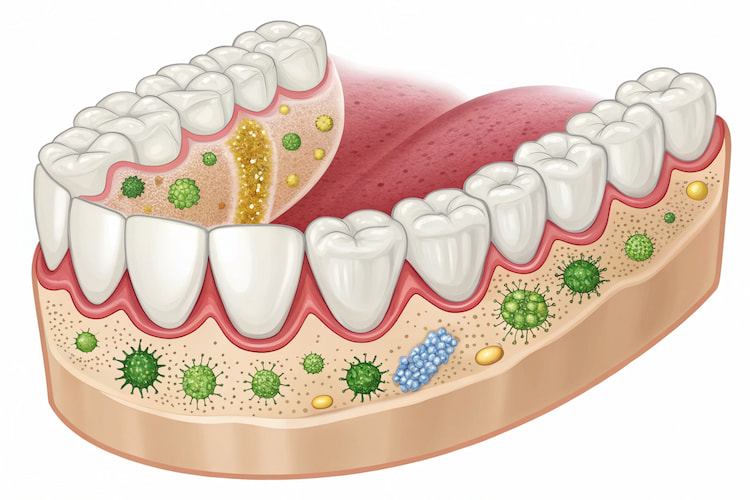
The gap left by a missing tooth creates a trap for food particles and bacteria. Because it’s harder to clean these areas properly, plaque builds up faster. This increases the risk of gum infections, bad breath, and decay in nearby teeth. What starts as a small gap can eventually affect your entire mouth.
5. Aesthetic and Confidence Issues
Even if a missing tooth isn’t visible when you smile, the long-term effects often are. As your face shape changes and nearby teeth drift, your smile can start to look uneven or sunken. Many people begin to avoid smiling, taking photos, or speaking up in conversations. These emotional and social effects are just as real as the physical ones, and they often hurt the most.
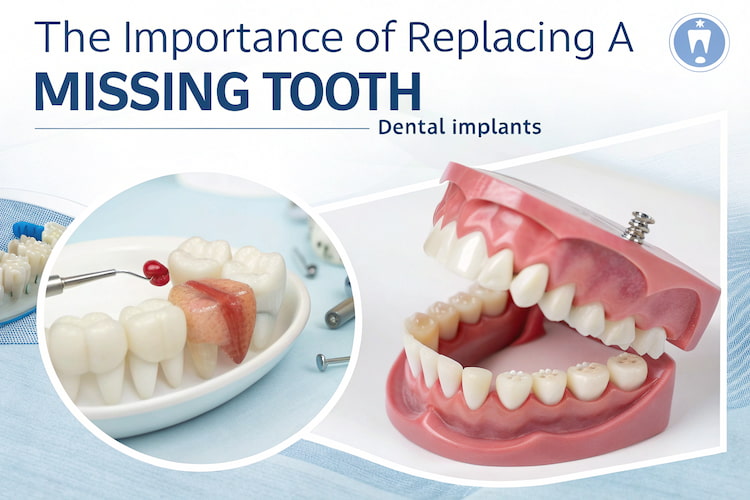
The Importance of Replacing a Missing Tooth
Your teeth do more than help you chew. They keep your jawbone healthy, support your facial structure, and maintain balance in your bite. When even one tooth is missing, it can disrupt everything, from how you eat and speak to how your other teeth function.
Common Causes of Tooth Loss
Tooth loss can happen to anyone. The most common reasons include:
- Gum disease (periodontitis)
- Cavities or severe decay
- Accidents or trauma
- Failed dental work
- Aging or genetic conditions
No matter the cause, addressing the gap quickly is key to preserving your oral health.
Impact on Oral Health and Confidence
Beyond physical effects, a missing tooth can impact your confidence. People often feel embarrassed to smile or speak clearly, leading to self-consciousness in social and professional situations. But the risks go much deeper; let’s explore them.
According to a study published in the Journal of the American Dental Association, untreated tooth loss can significantly affect oral function and overall quality of life
How to Replace Your Missing Tooth: Treatment Options
Thankfully, modern dentistry offers several effective ways to restore your smile and stop the progression of these issues.
Dental Implants: A Long-Lasting Solution
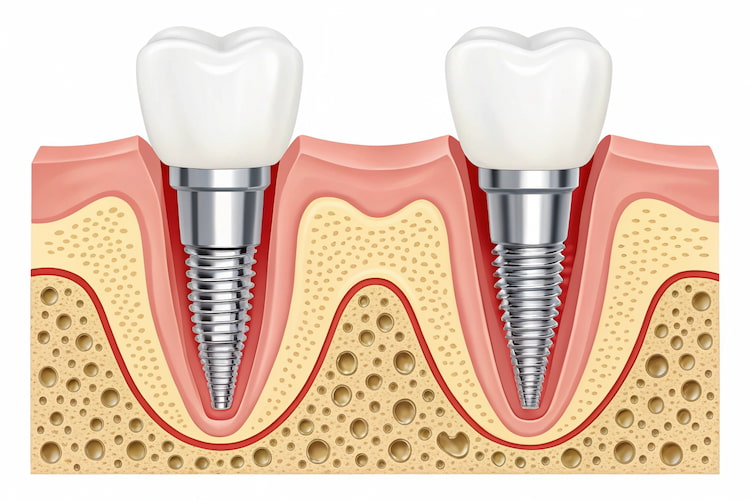
Dental implants are the most durable and natural-looking way to replace a missing tooth. They act just like a real tooth, complete with an artificial root that integrates with your jawbone. This stimulation helps prevent bone loss, and with proper care, implants can last a lifetime. Plus, they’re low-maintenance and feel just like your natural teeth.
Bridges and Dentures: Alternatives to Implants
If implants aren’t right for you, dental bridges or partial dentures are also effective. A bridge uses the surrounding teeth as anchors for a false tooth in the middle. Partial dentures are removable and usually more affordable, though they may require periodic adjustments. Each option has pros and cons, so your dentist can help you find what’s best for your needs, health, and budget.
Why Choosing the Right Solution Matters
The longer you wait, the fewer options you may have. For example, bone loss can prevent you from getting an implant later unless you undergo grafting. That’s why acting early not only saves your smile, it saves you time, money, and discomfort down the road.
Smile Confidently Again with Smile Point Dental
From dental implants and bridges to full smile makeovers, our friendly team will walk you through every step of the process.
How to Prevent Future Tooth Loss and Maintain Oral Health
Once you’ve replaced a missing tooth, the next step is making sure you keep the rest of your smile healthy and strong.
Practicing Good Oral Hygiene
Daily brushing and flossing are your first line of defense against gum disease and decay. Consider using a fluoride toothpaste and rinsing with an antibacterial mouthwash to reduce plaque buildup.
Regular Dental Check-ups and Cleanings
Seeing your dentist every six months allows them to catch issues early, before they lead to tooth loss. Professional cleanings can reach places you might miss at home and help keep your gums in great shape.
Healthy Diet and Lifestyle for Strong Teeth
A diet rich in calcium, vitamin D, and low in sugars can strengthen your teeth from the inside out. Staying hydrated, avoiding tobacco, and limiting acidic drinks like soda also help protect your enamel and gums.
Don’t Wait, Protect Your Smile Today
A missing tooth is more than just a gap in your smile; it’s a warning sign that your oral health needs attention. From shifting teeth and bone loss to gum disease and self-esteem issues, the risks of leaving it untreated can add up quickly. The good news? You have options. Whether you choose a dental implant, bridge, or denture, taking action now can prevent further complications and restore your confidence.
At the end of the day, your smile deserves care, comfort, and attention. Don’t wait until problems pile up. Talk to your dentist, explore your replacement options, and take the first step toward a healthier, more complete smile.
FAQs
-
What are the risks of not replacing a missing tooth?
If you don’t replace a missing tooth, nearby teeth can move out of place, your jawbone may shrink, and you could have trouble chewing or speaking. It can also lead to gum problems and make your smile look uneven over time.
-
How soon should I replace a missing tooth?
It’s best to replace it as soon as you can, ideally within a few months. Waiting too long can cause more problems and make treatment harder or more expensive later.
-
Can missing teeth cause gum disease?
Yes. The space can trap food and bacteria, which makes it easier for gum disease and tooth decay to start.
-
What is the best way to replace a missing tooth?
Dental implants are the most natural and long-lasting option. But bridges and dentures are also good choices, depending on your needs and budget. Your dentist can help you decide.
-
How much does it cost to replace a missing tooth?
It depends on the treatment. Implants usually cost between $2,000 and $5,000. Bridges and dentures cost less. Your dentist can give you a clear price and check if your insurance helps cover it.
We’d love to hear from you!
Drop a comment below if you have a question about missing teeth, dental implants, or your own experience.