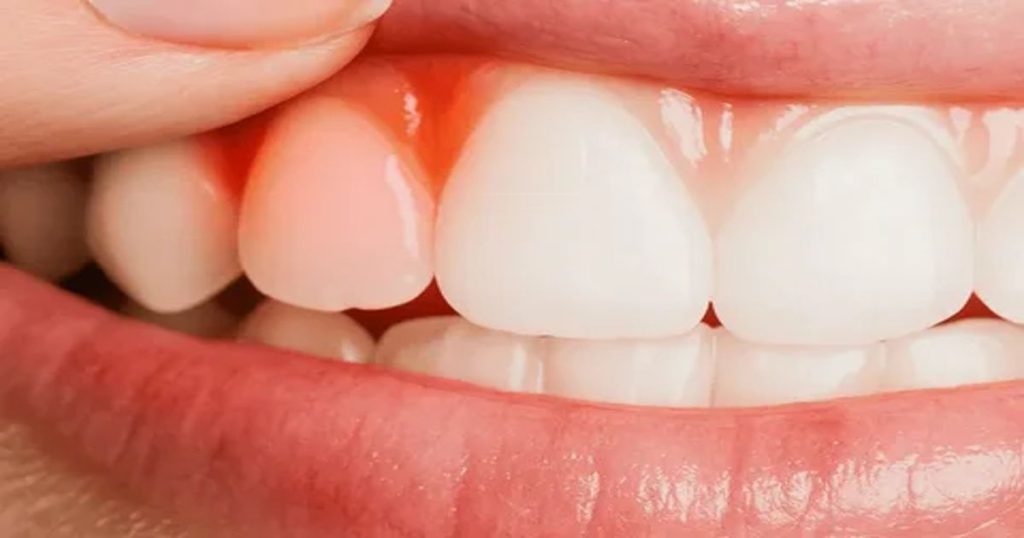
Gum infections can develop slowly or flare up suddenly, leading to swelling, tenderness, and difficulty eating or brushing. Many people search for the best antibiotic for gum infection when discomfort intensifies, especially if they need fast relief before seeing an Emergency Dentist Oakville or another local professional. Antibiotics can help in specific cases, but they are not a universal solution. In this article, we go through how antibiotics work, when they are used, and which options are most commonly recommended.
What is Gum Infection, and When Are Antibiotics Needed?
A gum infection typically begins when plaque bacteria accumulate around the gumline, leading to inflammation. When left untreated, this irritation progresses to gum disease, a more advanced oral condition that affects the tissues supporting the teeth. In the early stages, professional cleaning is often enough. Still, as inflammation extends into periodontal pockets and begins to contribute to bone loss, a dentist may consider prescribing antibiotics.

Dentists do not rely solely on medication, yet they may recommend the best antibiotic for a gum infection when bacteria become aggressive or when the disease poses a risk of further tissue destruction. This is especially important when non-surgical periodontal therapy is not enough to control the infection.
How Do Antibiotics Help in Treating Gum Disease?
Antibiotics work by targeting the bacteria responsible for gum infections. They can be used as systemic prescriptions or applied directly to the gums through topical antibiotic therapy, such as local delivery gels. This approach helps manage anaerobic bacteria that thrive inside deep periodontal pockets. Each medication works differently, which is why determining the best antibiotic for gum infection depends on the type of bacteria and the severity of the condition.
Dentists often use antibiotics alongside mechanical treatments such as scaling and root planing. Using both methods together helps remove harmful bacteria more effectively and gives better results. Because every case is different, the dentist chooses the treatment based on the patient’s specific condition. In some cases, the infection extends not only to the gums but also deeper into the tooth. When that happens, the conversation may shift toward options like emergency root canal treatment in Oakville, since a root canal is needed for infections affecting the tooth’s inner tissues.
Read more: “5 Mistakes to Avoid With Emergency Dental Care”
Choosing the Best Antibiotic for Gum Infection
Selecting the best antibiotic for gum infection is not a one-size-fits-all decision. Dentists choose the medication based on the bacteria involved, the patient’s medical history, and whether the infection improves after cleaning. The most commonly recommended options include:
- Amoxicillin
Effective against a wide range of bacteria and is frequently used as a first choice in dentistry. - Metronidazole
Works well when anaerobic bacteria contribute to the destruction of gum tissue. - Doxycycline
Helps reduce inflammation and supports periodontal healing while targeting harmful bacteria. - Azithromycin
Known for its long half-life, making it easier for patients to follow the full treatment schedule. - Clindamycin
Typically used for patients with allergies or when other antibiotics fail to resolve the infection.
For patients seeking fast relief, it is essential to remember that antibiotics for gum disease are only effective when combined with professional treatment and consistent home care. Services like Same Day Dental Care can help manage discomfort while ensuring you receive the correct diagnosis and proper follow-up.
Read more: “How to Reduce Swelling from a Tooth Infection Quickly?”
What to Expect During and After Antibiotic Therapy
Antibiotic therapy for gum infections usually begins with an evaluation from a dentist or periodontist. They will assess periodontal pockets, note any bone loss, and determine the extent of gum tissue inflammation. Once antibiotics are prescribed, the patient completes the whole course without stopping early, even if symptoms improve. This ensures that bacteria are eliminated and reduces the risk of antibiotic resistance.

- Side Effects, Care Protocols, and Maintenance
Like any medication, antibiotics can have side effects. Some patients may experience stomach sensitivity or reactions when combined with other medicines. Dentists will explain these concerns and provide instructions for safe use. Ongoing dental exams remain crucial since antibiotics do not replace the need for cleaning. Daily brushing and flossing help keep plaque under control so the infection does not return. Patients who also need a tooth extraction for reasons unrelated to gum infection can have it performed before or after the antibiotic course, depending on urgency.
- Long-term Outcomes and Prevention of Recurrence
A successful round of antibiotics can improve gum health, but maintaining these results requires consistent oral hygiene and ongoing professional care. Treatment outcomes depend on following a maintenance plan that includes regular checkups and home care routines. Even with the best antibiotic for gum infection, long-term stability relies heavily on avoiding plaque buildup and controlling risk factors like smoking or chronic illness. In more advanced cases, a dentist may recommend supportive procedures such as dental exams or deeper cleanings to maintain results.

Why Antibiotics Alone Will Not Solve Your Dental Pain
Antibiotics are powerful tools, but they cannot cure every source of discomfort. Some patients assume that medication will eliminate pain instantly, yet this is rarely the case. Infection often stems from buildup, trapped bacteria, or structural damage to the teeth. For that reason, an antibiotic for gum infection does not replace hands-on dental treatment. If the underlying cause is not addressed, the infection can return.
This is why visiting a professional is essential. Smile Point Dental, a professional dental clinic, provides comprehensive diagnosis and treatment for gum infections, including periodontal care, cleaning, and follow-up evaluations. Their team ensures patients understand their condition rather than relying on temporary relief. For more complex cases requiring surgery, their team may refer patients to an oral surgeon.
Get Professional Gum Infection Relief Today
If you’re dealing with swollen or bleeding gums, the team at Smile Point Dental can help. We provide quick evaluations and personalized treatment to determine whether antibiotics or other care is needed. Don’t wait, early treatment protects your gums and prevents complications.
Your Path to Healthier Gums Starts with Professional Care
Gum infection treatment involves more than simply choosing the best antibiotic. While medication plays an important role, successful recovery depends on addressing plaque buildup, improving oral hygiene, and receiving timely dental care. Whether you require systemic antibiotics, periodontal therapy, or a more localized approach, visiting a trusted dentist ensures your treatment plan matches your health needs. Understanding antibiotics, periodontal pockets, and long-term maintenance empowers you to protect your smile for years to come, especially if you are also dealing with a tooth abscess.
FAQ
1. What is the best antibiotic for gum infection?
The answer depends on your specific condition, but common choices include amoxicillin, metronidazole, doxycycline, and azithromycin. A dentist can determine the right option after evaluating your gum health.
2. Can antibiotics alone cure gum disease?
Antibiotics help manage bacteria, but they must be combined with deep cleaning or periodontal therapy to effectively treat gum disease.
3. How long does antibiotic therapy last for gum infections?
Most treatments last 1 to 2 weeks, depending on the medication and the severity of the infection.
Have you ever had a gum infection or needed antibiotics for a dental problem? Share your experience in the comments below. Your story may help someone else understand the signs of gum infection and feel more confident about seeking timely dental care.