
It’s easy to think routine dental checkups aren’t that important, especially if your teeth don’t hurt and your smile looks fine. Many people feel the same way and delay visits, not realizing what they might be missing. The truth is, the benefits of routine dental exams go far beyond fixing a cavity or giving your teeth a quick polish.
If you’ve ever wondered whether those regular appointments are actually worth it, this article will help you understand why they matter more than you think. You’ll also learn tips to get the most out of your next dental exam.
Key Benefits of Routine Dental Exams
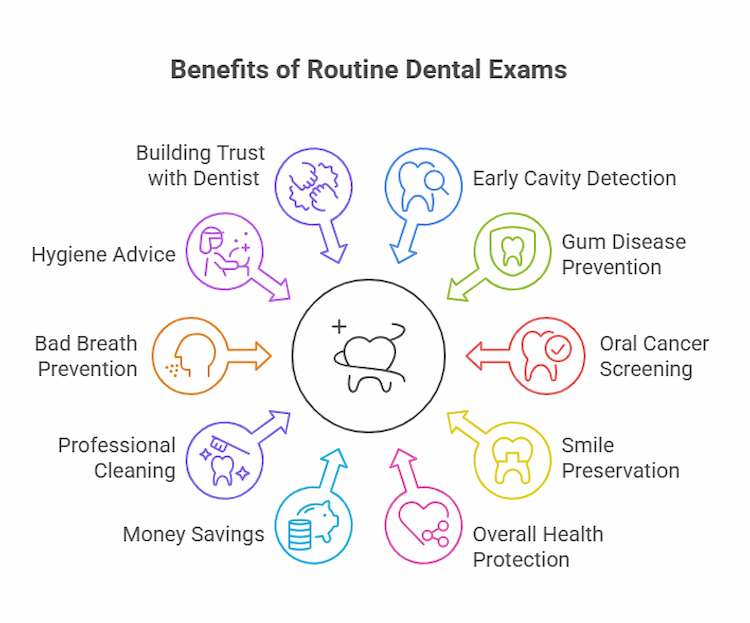
Routine dental exams do more than you think. They protect your oral health and your overall well-being. According to the ADA, preventive checkups help detect problems early, reduce the risk of gum disease, and support long-term health. Below are 10 important ways these visits can make a significant difference.
1. Early Detection of Cavities and Tooth Decay
Dentists can spot cavities in their earliest stages, even before you feel pain, by using visual exams and X-rays. Early treatment stops decay from worsening and helps preserve natural tooth structure.
2. Prevention of Gum Disease and Gingivitis
Regular checkups help detect gum inflammation before it turns into advanced periodontal disease. Early intervention, such as scaling or improved home care, can reverse gingivitis and protect your gums and jawbone.
3. Identification of Oral Cancer Risks
During an exam, dentists check for unusual lumps, sores, or tissue changes in your mouth. Oral cancer screenings during routine exams increase the chances of detecting the disease early, when it’s most treatable. That’s why visiting your dentist should be continuous and consistent.
4. Preserving Your Smile and Preventing Tooth Loss
Your dentist checks for problems that can lead to tooth loss, such as deep cavities, advanced gum disease, or misaligned bites that put excess pressure on certain teeth. They may use X-rays to spot bone loss or decay beneath the surface and recommend treatments like:
- Fillings
- periodontal therapy
- or bite adjustments
By addressing these issues early, routine exams help you keep your natural teeth healthy and functional for many years.
5. Maintaining Overall Health: The Link Between Oral and General Health
Your mouth is closely connected to the rest of your body, and oral health problems don’t stay limited to your teeth and gums. Poor oral health has been linked to heart disease, diabetes, and respiratory infections. Regular exams reduce harmful bacteria in the mouth, lowering the risk of related systemic problems.
6. Saving Money on Future Dental Treatments
Preventive care is far less costly than restorative treatments like root canals, crowns, or implants. Early detection helps you avoid expensive procedures later.
7. Professional Teeth Cleaning to Remove Plaque
During a checkup, dental hygienists use specialized tools to remove hardened plaque (tartar) that brushing and flossing alone can’t eliminate. This lowers your risk of cavities and gum disease.
8. Preventing Bad Breath (Halitosis)
Persistent bad breath is often caused by gum disease, cavities, or plaque buildup. Regular cleanings and exams address the root causes, and if gum disease or tooth decay is the cause, your dentist can provide targeted treatment. This helps restore both your oral health and your confidence.
9. Advice on Oral Hygiene and Preventive Care
Your dentist can give you tailored recommendations, from proper brushing and flossing techniques to diet tips to keep your teeth and gums in the best shape.
10. Building a Long-Term Relationship with Your Dentist
Seeing the same dentist regularly builds trust and allows them to track your oral health over time, making it easier to spot changes and personalize your care.
Read more: Tips to find the best dentist near you.
The Importance of Routine Dental Exams
Routine dental exams aren’t just about keeping your teeth looking great. They play a key role in maintaining your overall health. Regular checkups enable your dentist to identify early signs of cavities, gum disease, and other oral health issues before they become more severe. They also give you the opportunity to discuss your dental habits, get professional cleaning, and learn how to take care of your smile more effectively at home.
Skipping can allow minor issues to progress into painful, costly problems, and in some cases, oral health concerns can even be linked to conditions like heart disease.

What is a Routine Dental Exam?
A routine dental exam is a preventive visit where your dentist checks your teeth, gums, and mouth for early signs of problems like cavities, gum disease, or oral cancer. X-rays may be used to spot hidden issues, and a dental hygienist often performs a cleaning to remove plaque and tartar. These quick, painless visits help catch small problems before they become serious.
How Often Should You Visit the Dentist?
According to research published on PubMed Central (NIH/NLM), visiting the dentist every six months is the most commonly advised schedule worldwide. However, this isn’t a one-size-fits-all rule. If you have a history of gum disease, frequent cavities, smoking, or certain medical conditions, your dentist might recommend more frequent visits.
On the other hand, people with excellent oral health and low risk may need only an annual exam. Your dentist can help determine the ideal schedule based on your personal needs.
Read more: Want to know exactly how often you should visit the dentist? Check out our detailed guide to find the answer.
Common Misconceptions About Dental Checkups
One of the biggest myths is, “I don’t need to see the dentist if nothing hurts.” Many dental issues, like cavities or early-stage gum disease, don’t cause pain until they’ve advanced. By the time discomfort appears, treatment can be more invasive and expensive.
Another misconception is that dental checkups are only for people with poor oral hygiene. In reality, even those who brush and floss properly can develop problems that only a professional can detect.
Some people also believe that skipping dental visits saves money, but in truth, preventive care often reduces long-term costs by avoiding major procedures later.
Read more: If dental anxiety has kept you from scheduling exams, you’re not alone. Many people share the same concern. That’s why we’ve put together practical Tips and Techniques for Overcoming Dental Anxiety and Phobia.
Your Smile Deserves The Same Care As The Rest Of Your Health
At Smile Point Dental, our team is dedicated to helping you prevent problems before they arise, maintain strong teeth and gums, and protect your overall well-being.
If it’s been a while since your last checkup, now is the perfect time to take action.
How to Maximize the Benefits of Routine Dental Exams
Routine dental exams are most effective when you take an active role in your oral health before, during, and after each visit. By preparing ahead, practicing good daily care, and understanding what to expect, you can make the most of every appointment and keep your smile in its best condition.
Tips for Preparing for Your Dental Visit
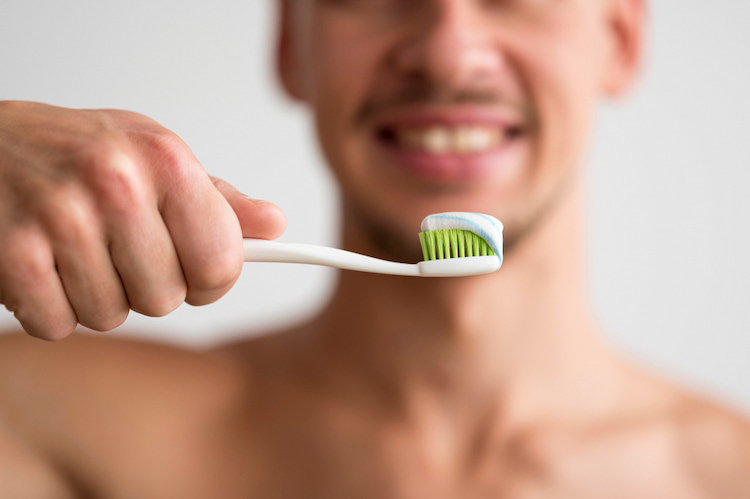
- Update your medical history: Bring a list of any medications, supplements, or recent health changes. Some conditions can affect your dental care.
- Note your concerns: Write down any pain, sensitivity, or cosmetic issues you’ve noticed so you remember to discuss them.
- Clean before you go: Brushing and flossing before your appointment helps the dentist or hygienist see problem areas more clearly.
How to Maintain Good Oral Hygiene Between Visits

Brush twice daily with fluoride toothpaste
Fluoride strengthens enamel and helps prevent cavities by making your teeth more resistant to acid attacks from bacteria.
Floss at least once a day
Flossing removes plaque and food particles from areas your toothbrush can’t reach, like between teeth and under the gumline.
Limit sugary and acidic foods and drinks
These can erode enamel over time, so enjoy them in moderation and rinse with water afterward.
Stay hydrated
Water helps wash away food debris and supports saliva production, which naturally protects your teeth.
Read more: If you want to know why it’s important to take care of your oral hygiene, read this guide: 5 Reasons Why You Need to Maintain Oral Hygiene
What to Expect During a Dental Exam
You’re at the dentist’s office, and this is how things work. Your visit typically starts with a review of your health history and any concerns. A dental hygienist may perform a cleaning to remove plaque and tartar, followed by polishing and flossing.
The dentist will then examine your teeth, gums, and other soft tissues for signs of cavities, gum disease, or oral cancer. X-rays may be taken to check for hidden problems.
Finally, you’ll receive personalized advice on improving your oral hygiene and recommendations for any needed treatments.
Why You Should Book Your Next Dental Exam Today
Keeping up with dental exams is about staying ahead of problems and maintaining a healthy smile for life. The longer you wait, the higher the chance that small issues can turn into bigger, more expensive ones. So, booking with a dentist Oakville residents trust can give you peace of mind.
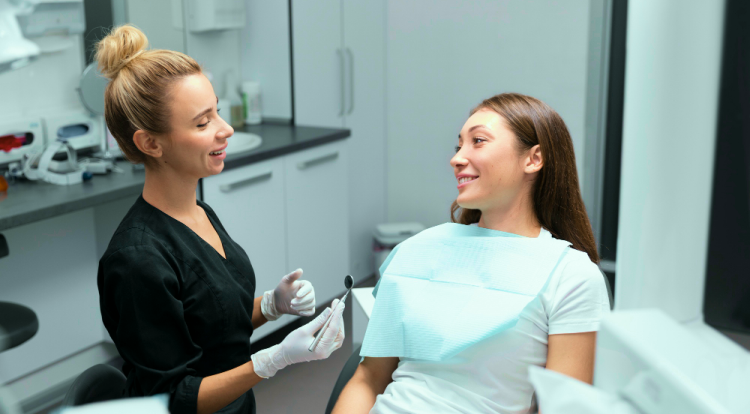
Don’t Wait Until It’s Too Late: The Importance of Regular Checkups
Cavities, gum disease, and even oral cancer can progress without obvious symptoms in the early stages. By the time pain or visible damage appears, treatment may be more complex and costly. Regular exams catch small issues before they become big problems. Booking your appointment now means you’re protecting your oral health and your overall well-being before trouble starts.
How Often Should You Schedule Your Dental Exam?
Instead of waiting until your calendar is free, it’s best to schedule your next exam before you leave the dental office. This keeps you on track and avoids long gaps between visits. You should also make an appointment sooner if you notice signs like:
- persistent bad breath
- tooth sensitivity
- bleeding gums
- or changes in your mouth’s appearance
Tip: Many people find it easier to remember exams by linking them to specific times of year, for example, every spring and fall, so regular care becomes part of their routine.
Healthy Smiles Start With Routine Exams
Taking care of your teeth isn’t just about brushing and flossing. Regular dental exams are one of the most effective ways to protect both your oral and overall health. From catching cavities early to lowering the risk of gum disease and even spotting signs of oral cancer, the benefits of routine dental exams are clear. They also save you money, prevent pain, and help you enjoy a healthy smile. If it’s been a while since your last visit, now is the perfect time to schedule an appointment.
At Smile Point Dental, we’re committed to taking good care of your teeth. We’re ready to help you with a variety of services, like a simple tooth removal, advanced surgical treatments for the mouth and jaw, or professional teeth whitening. Schedule a consultation today and take the first step toward a healthier smile.
FAQ
-
What happens during a routine dental exam?
It usually includes a visual inspection of your teeth, gums, and mouth, professional cleaning to remove plaque and tartar, and sometimes X-rays. Your dentist also checks for signs of cavities, gum disease, and oral cancer.
-
How often should I get a dental checkup?
The ADA recommends that people undergo testing every six months. However, your dentist may suggest more frequent visits if you have a higher risk of dental problems, such as frequent cavities.
-
Are routine dental exams expensive?
These exams are generally affordable, and many dental insurance plans cover them fully or at a low cost. Keep in mind that they also save money long term by reducing the need for more complex treatments.
-
Can routine dental exams help detect health problems beyond oral issues?
Yes. It’s interesting to know that dentists can sometimes identify signs of conditions like diabetes, heart disease, and certain infections because these health issues may first show symptoms in the mouth.
-
What are the risks of skipping regular dental exams?
Well, skipping them can allow cavities, gum disease, or oral cancer to progress unnoticed. This often leads to more pain, tooth loss, and costly treatments that could have been prevented with early detection.
Have you noticed the benefits of routine dental exams in your own life? Share your thoughts and experiences in the comments because your story might inspire someone else to book their next dental exam.