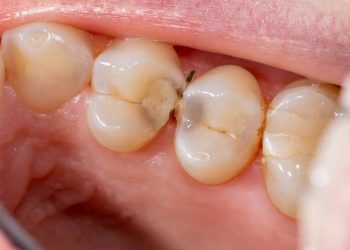
Good dental care is the foundation of healthy teeth and gums; however, even with proper oral hygiene, issues such as deep decay, cracks, or infections can sometimes occur. In such cases, root canal treatment is one of the most common and effective ways to save an infected or damaged tooth and preserve your natural smile. However, it isn’t always the only solution. Depending on your oral health and your dentist’s recommendation, other options may be more suitable. In this guide, we’ll explore some of the best alternatives to root canal therapy to help you better understand the choices available beyond traditional ones.
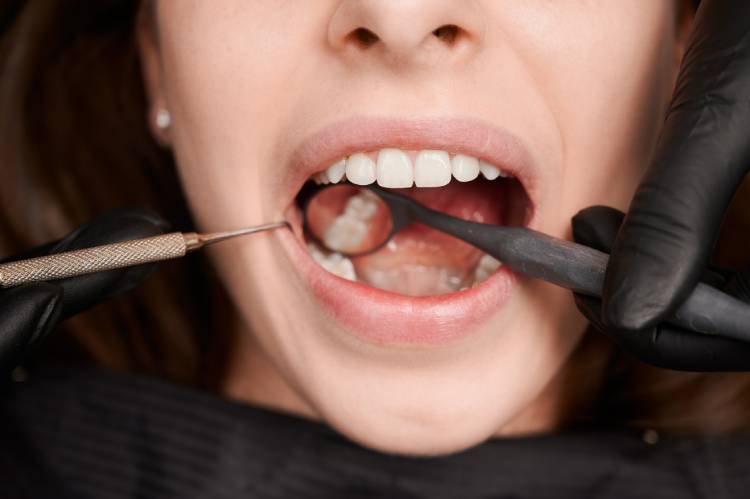
Introduction to Root Canals and Their Alternatives
When your dentist advises you to do a root canal, you can’t help but be worried. Root canals are often villainized as painful, despite the advances that dentistry has made in making the process more comfortable. However, the majority of patients would prefer to shop around first before they decide to undergo the procedure. The good news is that you may have options. Root canal alternatives can repair tooth problems in various ways, depending on your specific case and goals. If you’re trying to avoid a root canal or want to know your options, this guide will walk you through the most common alternatives and what to expect from each.
What is a Root Canal?
Root canal therapy is designed to remove infected or damaged pulp from within a tooth. The pulp, a soft material containing nerves and blood vessels, becomes infected or inflamed due to deep cavities, cracks, or trauma to the teeth, usually resulting in excruciating pain. In a root canal, the infection is removed, the inner chamber is cleaned, and the tooth is sealed to prevent bacteria from returning.
In contrast to the older myths, root canals are not meant to hurt, but to heal. And, in all truthfulness, this procedure typically does a great job of preserving your natural tooth and restoring your mouth’s health. That being said, there is not just one option. For those seeking alternative treatments for extensive decay or damage, there are root canal alternatives that may be beneficial.
Read More: Root Canal Treatment: What to Expect and Key Benefits Explained
Why Consider Root Canal Alternatives?
Choosing Alternatives to Root Canals can be very advantageous to the right patients. Most alternatives are designed to preserve your natural teeth while reducing the risks sometimes associated with traditional root canal therapy. Since alternative treatments are generally less invasive, they may involve fewer complications, shorter recovery times, and greater comfort. They may also be less expensive, especially if multiple teeth need treatment, and can minimize the risk of tooth weakening or fractures. While these options may not be suitable in every situation, your dentist can recommend whether one of them is a viable and safe choice for your specific dental care needs.
Common Myths About Root Canals
- Root canals are often painful: With modern anesthetics and technology, the procedure feels similar to getting a cavity filled and can actually relieve toothache pain.
- Root canals cause illness: This outdated belief has been debunked; no scientific evidence links root canals to systemic disease, and research even shows reduced cancer risk.
- Pulling a tooth is better: Saving your natural tooth is almost always the best choice; root canal treatment has a high success rate and avoids the downsides of bridges or implants.
- Root canals remove the infected pulp, leaving the tooth roots intact.
- No pain means no root canal needed: A tooth can still be infected without pain, so professional evaluation is essential to prevent further damage.
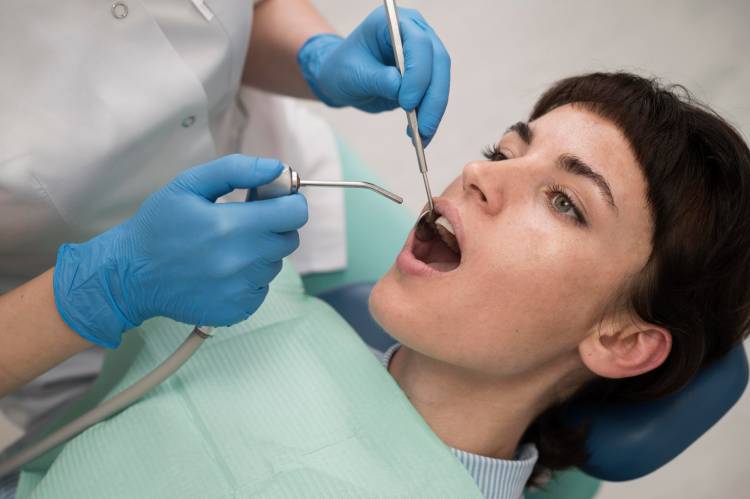
Top Root Canal Alternatives to Consider
The proper treatment depends on factors like the extent of damage, the tooth’s location, and your overall oral health. In some cases, discussing different root canal alternatives with your dentist can be worthwhile. Here’s an overview of the most common options.
1. Dental Implants
If a tooth is too infected or decayed to be saved, a dental implant is a solid and total solution. Instead of attempting to save an unhealthy tooth, this root canal alternative involves removing the failing tooth and replacing it with a new one, from crown to root, offering strength, durability, and a natural appearance.
The procedure begins with the removal of the tender, where a biocompatible titanium post is inserted into the jawbone to serve as an artificial root. The jawbone gradually bonds with the post through a process called osseointegration, forming a solid foundation. Once healed, a customized dental crown is attached, fitting in entirely with your natural teeth.
2. Tooth Extraction and Replacement
Tooth extraction is the complete removal of the problematic tooth. It may be advisable when the tooth is irreparable beyond restoration, cannot be saved, or when other root canal alternatives are not feasible. After the removal, your dentist can recommend replacing it with dental implants, bridges, or dentures to restore both the function of your bite and the esthetics of your smile. Since proper aftercare is key to recovery, it’s important to follow guidance on what to do after a tooth extraction to ensure optimal oral health and long-term success.
3. Pulp Capping (Direct and Indirect)
In the case of an exposed but otherwise healthy pulp, Direct Pulp Capping is an effective treatment. For this, the dentist applies a biocompatible material, such as calcium hydroxide or mineral trioxide aggregate, directly over the pulp to cover and heal it. This is an excellent choice for younger individuals or teeth with minimal trauma.
When the decay gets close to the pulp but not so much that it touches it, indirect pulp capping may be performed in its stead. The dentist removes most of the decay and applies a layer of covering over the remaining dentin to protect the pulp, which then heals and creates new dentin, preserving the tooth without the need for a root canal.
4. Ozone Therapy
Ozone therapy is a recently developed dental technique wherein ozone gas is applied to clean and heal infected teeth. In doing so, ozone is applied directly to the site of concern, killing bacteria and resolving inflammation. By working in harmony with the tooth’s natural healing ability, the technique can, in some cases, prevent the need for a root canal, particularly when applied at early stages of pulp infection.
5. Laser Therapy for Infected Teeth
Infected teeth laser treatment combines advanced laser technology with a light-activated liquid to precisely target and eliminate harmful bacteria. While protecting healthy tooth structure, it effectively sterilizes infected areas that conventional methods often miss. This biocompatible and minimally invasive option also stimulates the body’s natural healing response, thereby reducing swelling and accelerating recovery. For patients interested in avoiding a root canal, laser therapy is an innovative Alternative to Root Canals that aligns with modern, biologically oriented dentistry. There are also other approaches to save an infected tooth that may be worth considering, depending on your situation.
Get Expert Advice on Your Dental Options
Choosing the best treatment for your teeth depends on your individual oral health and oral hygiene needs. Visiting a professional dentist is the safest way to determine whether a root canal or alternatives to root canal is right for you. Book an appointment with our experienced Oakville team for personalised guidance and to protect your smile.
When to Choose a Root Canal Alternative
You would be a candidate for a root canal alternative when your tooth is infected or damaged. Still, the situation allows for less invasive procedures when the preservation of natural tooth structure is of high priority or when you prefer to avoid the potential risks, costs, and downtime associated with traditional root canals.
Factors like the extent of the decay or trauma, the tooth’s position, overall oral health, and your dentist’s professional assessment all come into play in determining whether or not another type of treatment, direct or indirect pulp capping, laser therapy, ozone treatment, or even extraction and replacement, is appropriate in your particular case.
Signs You May Need a Root Canal or Alternative
You may need an emergency root canal or a root canal alternative when the innermost part of your tooth, the pulp, becomes inflamed or infected. Common warning signs include an abscessed tooth (a pus-filled bacterial infection), gum infection, traumatic injury, deep decay that reaches the pulp, damage from repeated dental treatments, or a chip or crack that exposes nerves or allows bacteria in. Recognizing these issues early, especially the regular signs of tooth decay, can help prevent further damage and allow your dentist to recommend the most suitable treatment.
Benefits of Choosing Alternatives Over Traditional Root Canals
Alternative treatments offer several advantages over traditional root canal therapy, making them a valuable option for many patients:
- Preserves Natural Teeth: Alternative treatments help maintain your natural teeth, which is essential for both appearance and function.
- Fewer Complications: Being less invasive than root canal therapy, these options reduce the chances of pain, swelling, or infection.
- Cost-Effective: They can be more affordable, especially when multiple teeth need attention.
- Quicker Recovery: Less invasive procedures typically result in faster healing and a quicker return to daily activities.
- Lower Risk of Tooth Fracture: Unlike root canals, alternative treatments help maintain tooth strength and minimize fracture risk.
- Greater Comfort: Patients often find alternatives more comfortable, with fewer appointments and less extensive procedures.
How to Discuss Your Options with Your Dentist
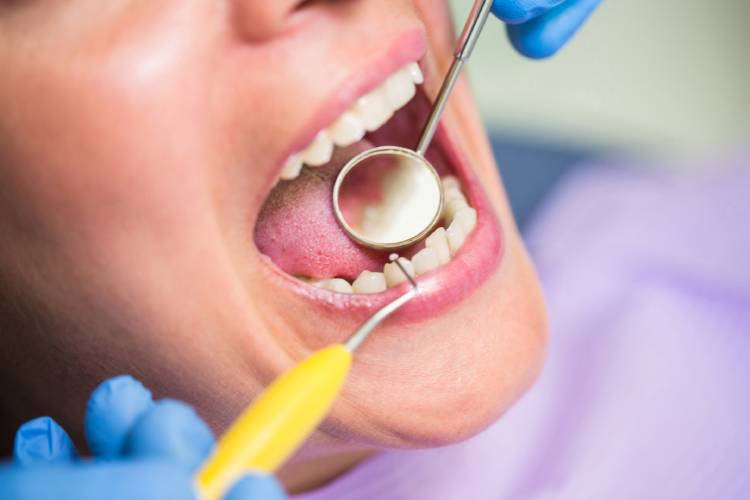
To make the best decision for your dental health, it’s important to consult a professional dentist who can evaluate your specific condition, including the extent of damage, tooth location, and overall oral health. Together, you can decide whether a root canal or one of the root canal alternatives is the right choice for you.
Making the Right Decision for Your Oral Health
When it comes to treating an infected or damaged tooth, every patient’s needs are unique. While root canal therapy remains a highly effective way to save natural teeth, exploring root canal alternatives can provide valuable options that may better suit your situation, comfort level, and long-term goals. The key is not to delay treatment; early action prevents complications and helps preserve your smile. By working closely with a trusted dentist in Oakville, you can weigh the benefits of each approach and choose the solution that best supports both your oral health and overall well-being.
FAQ
1. What are Root Canal Alternatives?
They are less invasive treatments, such as pulp capping, ozone therapy, laser therapy, extraction, or implants, that may replace the need for a traditional root canal.
2. Are Root Canal Alternatives safe?
Yes, when recommended by your dentist, these alternatives are safe and tailored to your specific dental condition.
3. How do I know if I need a root canal or an alternative?
Your dentist can assess your tooth and suggest the best option.
Have you explored any Root Canal Alternatives for your dental health? Share your experience in the comments; we’d love to hear which treatments worked for you!